
Coronary Artery Bypass Surgery: A Comprehensive Guide
Coronary Artery Bypass Surgery: A Comprehensive Guide
Introduction
Introduction
Coronary artery bypass surgery, often abbreviated as CABG (pronounced "cabbage"), is a major surgical procedure that creates new pathways for blood to flow around blocked or partially blocked arteries in the heart. This surgery is vital for many patients with significant heart disease and can save lives by reducing symptoms such as chest pain and shortness of breath, while also lowering the risk of heart disease-related death.
At RxSavez, we understand that deciding to undergo surgery is a significant step. Our goal is to provide clear, unbiased information to help you make informed decisions about your healthcare. This guide will cover everything you need to know about coronary artery bypass surgery—from why it's needed to what you can expect during and after the procedure. We'll also explain how RxSavez can support you through the process, offering second opinions, pre-surgery preparation assistance, and support during recovery.
Understanding Coronary Artery Bypass Surgery
Understanding Coronary Artery Bypass Surgery
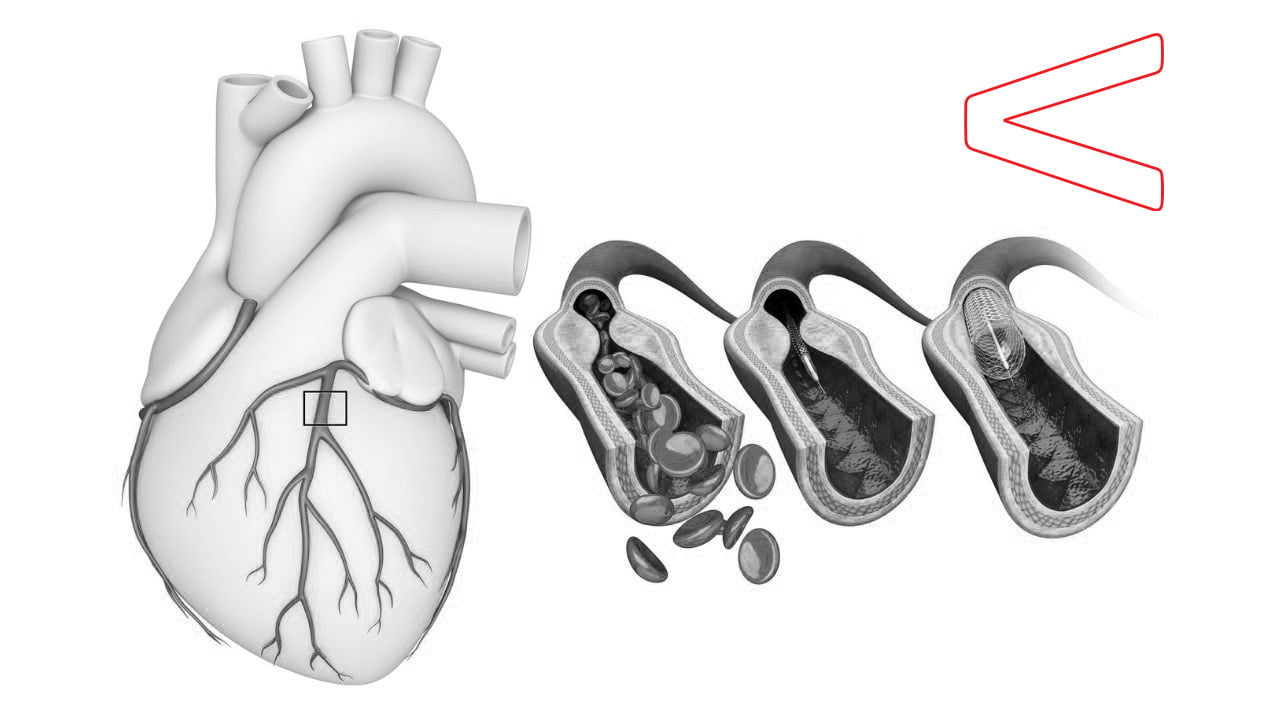
Coronary artery bypass surgery involves taking a healthy blood vessel from another part of the body, such as the chest or leg, and using it to create a new pathway for blood to flow around a blocked heart artery. This new pathway, known as a graft, improves blood flow to the heart muscle, alleviating symptoms and reducing the risk of complications.
CABG doesn't cure the underlying heart disease that caused the blockage, but it can help manage symptoms and improve quality of life. The procedure is generally recommended for patients with severe blockages, those who experience chest pain despite medication, or those who have a high risk of heart attack.
CABG has several alternative names, including coronary artery bypass grafting, heart bypass surgery, and coronary artery bypass graft surgery. Despite the different names, the procedure's primary goal is to restore proper blood flow to the heart.
RxSavez is here to help you understand whether CABG is the right choice for you. Our platform offers independent second opinions from leading surgeons, ensuring you get the most accurate and unbiased advice before deciding on surgical intervention.
Indications for Coronary Artery Bypass Surgery
Indications for Coronary Artery Bypass Surgery
Coronary artery bypass surgery is typically performed to bypass blocked or narrowed arteries in the heart. There are several common conditions that may lead to CABG, including:
Blockage in the left main heart artery: This artery supplies a significant amount of blood to the heart muscle. A blockage here can be dangerous and may necessitate CABG.
Severe narrowing of heart arteries: When arteries narrow significantly, it can lead to chest pain and shortness of breath, indicating the need for surgery.
Multiple diseased heart arteries: If more than one artery is affected, CABG may be required to restore blood flow.
Failed angioplasty: If a less-invasive treatment involving a balloon catheter and stent does not work, CABG might be the next step.
Emergency treatment for heart attack: CABG might be performed as an emergency procedure if other immediate treatments are ineffective.
Before opting for surgery, it's essential to understand your options and ensure CABG is the best course of action. RxSavez can help you get a comprehensive second opinion from a team of experienced surgeons, allowing you to make an informed decision. Our patient relationship managers (PRMs) are empathetic and knowledgeable, guiding you through the process and answering any questions you may have.
Blockage in the left main heart artery: This artery supplies a significant amount of blood to the heart muscle. A blockage here can be dangerous and may necessitate CABG.
Severe narrowing of heart arteries: When arteries narrow significantly, it can lead to chest pain and shortness of breath, indicating the need for surgery.
Multiple diseased heart arteries: If more than one artery is affected, CABG may be required to restore blood flow.
Failed angioplasty: If a less-invasive treatment involving a balloon catheter and stent does not work, CABG might be the next step.
Emergency treatment for heart attack: CABG might be performed as an emergency procedure if other immediate treatments are ineffective.
Risks and Complications of Coronary Artery Bypass Surgery
Risks and Complications of Coronary Artery Bypass Surgery
As with any major surgery, coronary artery bypass surgery carries risks. Some of the potential complications include:
Bleeding: This can occur during or after surgery, potentially requiring additional medical intervention.
Death: Although rare, the risk of death exists, especially if CABG is performed as an emergency procedure.
Heart attack: Blood clots can form after surgery, leading to a heart attack.
Infection: The site of the chest wound can become infected, leading to further complications.
Irregular heart rhythms: Known as arrhythmias, these irregularities can occur after surgery.
Kidney problems: Surgery can impact kidney function in some patients.
Memory loss or confusion: This is often temporary but can occur after surgery.
Stroke: Although rare, the risk increases with certain pre-existing conditions.
Certain factors can increase the risk of complications, such as blocked arteries in the legs, chronic obstructive pulmonary disease (COPD), diabetes, or kidney disease.
RxSavez can help you understand these risks and how to mitigate them. Our team of experts will work with you to ensure you're adequately prepared for surgery. We can also assist with pre-surgery preparation, providing information on medications to control bleeding, blood pressure, and prevent infection. Additionally, our platform, RxVaultz, helps you keep track of all your medical records, ensuring a smooth transition during your healthcare journey.
Bleeding: This can occur during or after surgery, potentially requiring additional medical intervention.
Death: Although rare, the risk of death exists, especially if CABG is performed as an emergency procedure.
Heart attack: Blood clots can form after surgery, leading to a heart attack.
Infection: The site of the chest wound can become infected, leading to further complications.
Irregular heart rhythms: Known as arrhythmias, these irregularities can occur after surgery.
Kidney problems: Surgery can impact kidney function in some patients.
Memory loss or confusion: This is often temporary but can occur after surgery.
Stroke: Although rare, the risk increases with certain pre-existing conditions.
Preparing for Coronary Artery Bypass Surgery
Preparing for Coronary Artery Bypass Surgery
Before undergoing CABG, your healthcare provider will give you specific instructions on how to prepare. This may include changes to your diet, activity level, and medications. It's also important to arrange transportation and post-surgery support.
At RxSavez, we understand that preparing for surgery can be overwhelming. Our PRMs are available 24/7 via WhatsApp to guide you through the preparation process. We can help you arrange your medical records, schedule pre-surgery tests, and ensure you have everything you need for a successful surgery and recovery.
The Coronary Artery Bypass Surgery Procedure
The Coronary Artery Bypass Surgery Procedure
Coronary artery bypass surgery is a complex procedure that takes place in a hospital. It is performed by cardiovascular surgeons with the support of cardiologists and other medical professionals. Here's what to expect during CABG:
Anesthesia: You'll receive general anesthesia to ensure you're in a pain-free, sleep-like state during surgery. A breathing tube will be inserted to help you breathe, and you'll be connected to a heart-lung machine, which maintains blood flow and oxygenation during the procedure.
Surgery Duration: CABG usually takes between 3 and 6 hours, depending on the number of arteries that need to be bypassed.
Surgical Procedure: A long cut is made down the center of the chest along the breastbone. The rib cage is opened to access the heart. The surgeon stops the heart and uses a heart-lung machine to maintain circulation. Healthy blood vessels, often taken from the chest wall or lower leg, are used to create new pathways for blood flow.
Off-Pump and Minimally Invasive Options: Some CABG procedures can be performed without stopping the heart (off-pump surgery), while others use minimally invasive techniques with smaller incisions.
RxSavez's team is dedicated to providing you with detailed information about the surgical procedure, helping you understand what to expect, and addressing any concerns you might have. We also offer a money-back guarantee if you're not satisfied with our services, demonstrating our commitment to your satisfaction and peace of mind.
Anesthesia: You'll receive general anesthesia to ensure you're in a pain-free, sleep-like state during surgery. A breathing tube will be inserted to help you breathe, and you'll be connected to a heart-lung machine, which maintains blood flow and oxygenation during the procedure.
Surgery Duration: CABG usually takes between 3 and 6 hours, depending on the number of arteries that need to be bypassed.
Surgical Procedure: A long cut is made down the center of the chest along the breastbone. The rib cage is opened to access the heart. The surgeon stops the heart and uses a heart-lung machine to maintain circulation. Healthy blood vessels, often taken from the chest wall or lower leg, are used to create new pathways for blood flow.
Off-Pump and Minimally Invasive Options: Some CABG procedures can be performed without stopping the heart (off-pump surgery), while others use minimally invasive techniques with smaller incisions.
Cost of Coronary Artery Bypass Surgery
Cost of Coronary Artery Bypass Surgery
The cost of coronary artery bypass surgery varies based on several factors, including location, hospital type (public or private), surgeon's expertise, and additional services. Here are the average cost ranges for CABG in various Indian cities:
Delhi: INR 1,50,000 - 4,00,000
Mumbai: INR 1,75,000 - 5,00,000
Bangalore: INR 1,25,000 - 3,50,000
Chennai: INR 1,25,000 - 3,50,000
Kolkata: INR 1,25,000 - 3,50,000
Hyderabad: INR 1,25,000 - 3,50,000
Pune: INR 1,25,000 - 3,50,000
Ahmedabad: INR 1,25,000 - 3,00,000
Lucknow: INR 1,25,000 - 3,00,000
Jaipur: INR 1,25,000 - 3,00,000
These cost ranges reflect the typical price for CABG, with private hospitals generally being more expensive than public hospitals. Factors such as hospital reputation, advanced technologies, and additional services can impact the cost. At RxSavez, we aim to help patients reduce costs through our second opinion services, which can help you determine the most appropriate and cost-effective treatment options. Additionally, our RxRewardz program provides discounts on medical devices and pharmaceuticals, offering further savings to our clients.
Disclaimer:
The costs represent a general estimate that includes emergency care, hospitalization, surgery, and rehabilitation.
Variability in costs depends on the type of hospital, severity of injury, length of hospital stay, and specific treatment requirements.
Public hospitals generally offer lower-cost or subsidized treatment, while private hospitals are often more expensive.
For precise estimates, consulting with healthcare providers or insurance representatives is recommended.
Regional economic differences and cost of living can impact the overall costs in each city.
Delhi: INR 1,50,000 - 4,00,000
Mumbai: INR 1,75,000 - 5,00,000
Bangalore: INR 1,25,000 - 3,50,000
Chennai: INR 1,25,000 - 3,50,000
Kolkata: INR 1,25,000 - 3,50,000
Hyderabad: INR 1,25,000 - 3,50,000
Pune: INR 1,25,000 - 3,50,000
Ahmedabad: INR 1,25,000 - 3,00,000
Lucknow: INR 1,25,000 - 3,00,000
Jaipur: INR 1,25,000 - 3,00,000
The costs represent a general estimate that includes emergency care, hospitalization, surgery, and rehabilitation.
Variability in costs depends on the type of hospital, severity of injury, length of hospital stay, and specific treatment requirements.
Public hospitals generally offer lower-cost or subsidized treatment, while private hospitals are often more expensive.
For precise estimates, consulting with healthcare providers or insurance representatives is recommended.
Regional economic differences and cost of living can impact the overall costs in each city.
Factors Affecting the Cost of Surgery
Factors Affecting the Cost of Surgery
The cost of surgery can vary widely based on several critical factors. Understanding these factors can help patients and their families anticipate and manage the financial implications of surgery. Below are the primary considerations that impact surgical costs:
1. Type of Surgery
The type of surgical procedure is a significant determinant of cost. Surgeries range from minor to complex, with more complicated procedures typically costing more due to specialized equipment, expertise, and longer operating times.
2. Severity of the Condition
Surgical costs can be influenced by the severity of the patient's condition. More severe or complicated cases often require additional resources, longer hospital stays, and intensive care, all of which increase costs.
3. Hospital or Medical Facility
Costs can differ significantly between hospitals and medical facilities. Public hospitals generally offer more affordable rates, while private hospitals tend to be more expensive due to additional amenities and services.
4. Surgeon's Expertise and Reputation
Highly skilled and renowned surgeons often command higher fees due to their expertise and experience. Surgeons with specialized training in specific procedures may charge more than general surgeons.
5. Location and Region
Geographic location plays a role in surgical costs. Surgeries in major cities or metropolitan areas tend to be more expensive due to higher overheads, cost of living, and demand for healthcare services. Costs may be lower in smaller towns or rural areas.
6. Anesthesia and Medication
The type of anesthesia used during surgery, as well as post-operative medications, can affect the overall cost. General anesthesia usually costs more than local anesthesia, and complex cases may require more extensive pain management.
7. Hospitalization and Recovery
The length of hospital stay and the level of care required during recovery impact costs. Patients who need intensive care or specialized post-operative monitoring typically incur higher expenses.
8. Additional Services
Additional services such as diagnostic tests, imaging, rehabilitation, and physical therapy can increase costs. These services are often necessary for proper diagnosis, treatment, and recovery.
9. Insurance Coverage
Insurance coverage can significantly affect out-of-pocket costs for surgery. The type of insurance plan, coverage limits, co-pays, and deductibles can determine how much of the cost is covered by insurance.
10. Unforeseen Complications
Complications during or after surgery can lead to unexpected costs. This could include additional surgeries, extended hospital stays, or specialized care to address complications.
Final Thoughts
Given the complexity of factors affecting surgical costs, it's crucial to discuss all potential costs with healthcare providers and insurance representatives beforehand. Understanding these factors helps patients and families make informed decisions and plan for the financial implications of surgery.
Post-Procedure Recovery and Rehabilitation
Post-Procedure Recovery and Rehabilitation
After coronary artery bypass surgery, your recovery journey begins. Initially, you'll be in an intensive care unit (ICU), where a team of healthcare providers will monitor you closely. Here's what to expect during recovery:
Breathing Tube: The breathing tube remains in place until you can breathe on your own.
Hospital Stay: Expect to spend 1 to 2 days in the ICU, with a total hospital stay of 5 to 7 days, depending on your recovery and any complications.
Pain Management: You'll receive pain-relieving medication through an IV to ensure your comfort.
Cardiac Rehabilitation: Once you're stable, you'll start cardiac rehabilitation, a supervised program designed to help you recover through exercise and education.
Post-Procedure Monitoring: Your healthcare team will monitor your heart rhythm, breathing, and other vital signs. Be sure to follow their instructions and report any unusual symptoms, such as fever, rapid heart rate, or changes around your chest wound.
During your recovery, RxSavez offers comprehensive support. Our PRMs are just a WhatsApp message away, ready to assist with any questions or concerns. We can also help coordinate your follow-up appointments and ensure a smooth transition to cardiac rehabilitation. Our loyalty program, RxRewardz, provides discounts on medical devices and pharmaceuticals, helping you save money during your recovery.
Long-Term Outcomes and Lifestyle Changes
Long-Term Outcomes and Lifestyle Changes
After coronary artery bypass surgery, most people experience significant relief from symptoms like chest pain and shortness of breath. However, it's important to maintain a healthy lifestyle to prevent future complications. Here's what you can do to improve your long-term outcomes:
Don't Smoke: Quitting smoking is crucial for heart health. If you need help quitting, talk to your healthcare provider.
Eat Healthy Foods: A balanced diet with plenty of fruits, vegetables, and whole grains can reduce the risk of heart disease.
Exercise Regularly: Aim for 30 to 60 minutes of physical activity most days of the week, with your provider's approval.
Manage Weight: Maintaining a healthy weight is important for heart health.
Manage Stress: Find healthy ways to reduce stress, such as mindfulness or support groups.
Get Good Sleep: Aim for 7 to 9 hours of sleep each night to support heart health.
RxSavez can help you stay on track with these lifestyle changes. Our RxRewardz program offers incentives and discounts to encourage healthy habits. We also provide educational content and resources to guide you on your journey to better heart health.
Conclusion
Conclusion
Coronary artery bypass surgery is a significant medical procedure that can greatly improve quality of life for patients with heart disease. However, it's important to approach the decision with careful consideration and thorough information. RxSavez is here to help you every step of the way, providing second opinions, pre-surgery preparation assistance, and support during recovery.
If you're facing the possibility of CABG or other surgical interventions, we encourage you to seek a second opinion with RxSavez. Our platform offers personalized advice from experienced surgeons, ensuring you have all the information you need to make the best decision for your health.
For more information or to schedule a consultation, visit our website or contact our patient relationship managers through WhatsApp. Let RxSavez guide you on your journey to better health and a successful recovery. You can also explore our collection of educational videos and content on the RxSavez platform for additional resources on coronary artery bypass surgery and other surgical interventions. Keep an eye out for our upcoming launches of RxVaultz and RxRewardz, designed to help you manage your medical records and access exclusive rewards.
To book a second opinion consultation or inquire about our services, visit our website or contact us via WhatsApp. We look forward to assisting you on your journey to better health.