
Brain Tumors: Everything You Need to Know
Brain Tumors: Everything You Need to Know
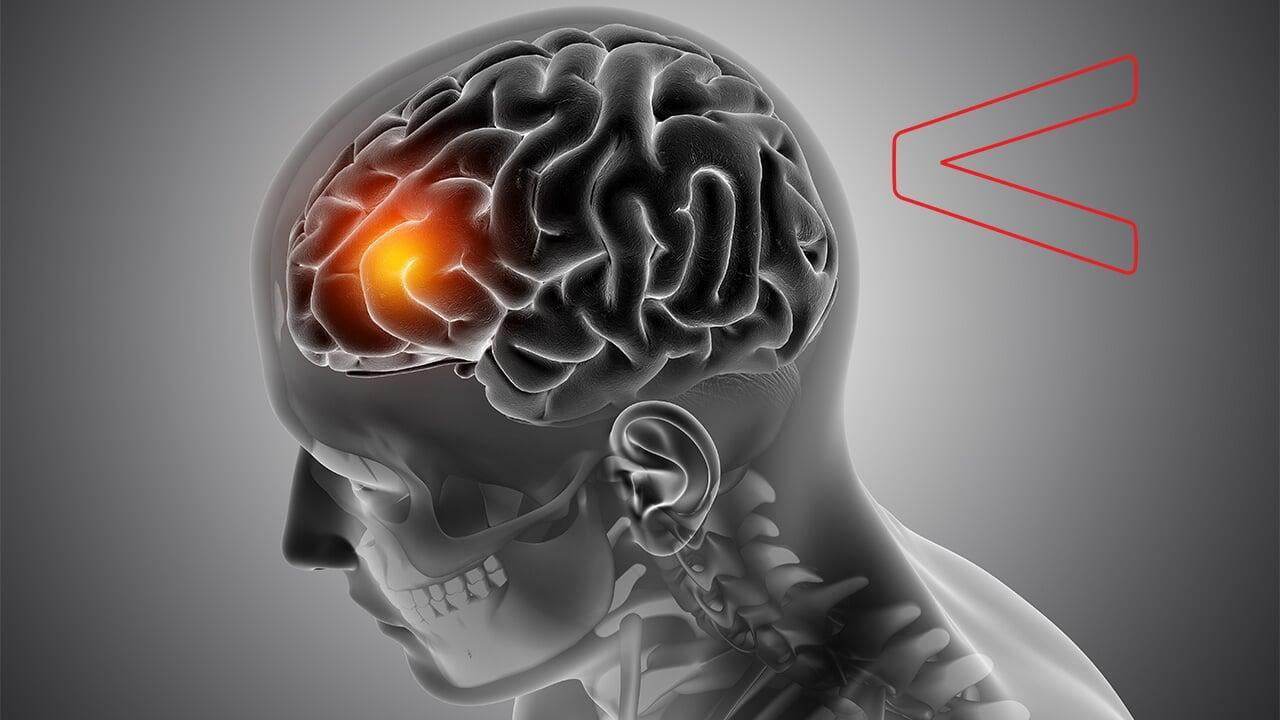
Brain tumors are complex conditions that can have significant impacts on health and well-being. In this comprehensive guide, we will explore the different types of brain tumors, common symptoms, causes, diagnosis and treatment options, and the costs involved in treating brain tumors. Additionally, we will discuss how RxSaveZ can support patients in navigating this challenging journey by providing independent second opinions and medical tourism services, both domestically and internationally.
I. Introduction
I. Introduction
A brain tumor is an abnormal growth of cells in or near the brain. These tumors can range from benign to malignant, with varying degrees of aggressiveness. Whether they are noncancerous or cancerous, brain tumors can cause significant symptoms and impact a person's quality of life. Given the complexity and risks associated with brain tumors, seeking a second opinion from independent experts is crucial to ensure the best possible treatment plan.
RxSaveZ is a patient-centric platform specializing in surgical second opinions and medical tourism services. By leveraging technology and expert healthcare professionals, RxSaveZ aims to provide clarity and confidence to patients dealing with brain tumors. The services offered by RxSaveZ can help you make informed decisions about your treatment and potentially save you significant time and money
II. Understanding Brain Tumors
II. Understanding Brain Tumors
Brain tumors can start in the brain or originate from other parts of the body and spread to the brain, known as primary and secondary brain tumors, respectively. Primary brain tumors begin within the brain or its surrounding structures, such as the pituitary gland, pineal gland, or meninges. Secondary brain tumors, also called metastatic brain tumors, develop when cancer from another part of the body spreads to the brain.
Noncancerous brain tumors, or benign tumors, tend to grow slowly and may not always require aggressive treatment. However, they can still cause significant symptoms by pressing on brain tissue. Malignant brain tumors, or brain cancers, are more aggressive and tend to grow quickly, invading and destroying healthy brain tissue. Brain tumors can occur in various locations, affecting nerves, the pituitary gland, or the membranes covering the brain.
III. Types of Brain Tumors
III. Types of Brain Tumors
There are several types of brain tumors, each with distinct characteristics and treatment approaches. Here's an overview of some common types:
Gliomas: These tumors arise from glial cells, which support nerve cells in the brain. Gliomas can be benign or malignant, with glioblastoma being the most common type of malignant brain tumor. Other gliomas include astrocytoma, oligodendroglioma, and ependymoma.
Choroid Plexus Tumors: These tumors originate in cells responsible for producing cerebrospinal fluid. They can be benign or malignant, with choroid plexus carcinoma being the malignant form.
Embryonal Tumors: These tumors begin in cells left over from fetal development. Medulloblastoma, the most common type of embryonal tumor, typically occurs in children and is located in the cerebellum.
Germ Cell Tumors: These tumors arise from reproductive cells and can occur in various parts of the body, including the brain. Germ cell tumors are generally benign and are often found near the pineal gland or pituitary gland.
Pineal Tumors: These tumors develop in or around the pineal gland, which produces the sleep-regulating hormone melatonin. Pineal tumors can be benign or malignant, with pineoblastoma being the malignant type.
Meningiomas: These tumors arise from the membranes surrounding the brain and spinal cord. They are usually benign but can occasionally be malignant.
Nerve Tumors: These tumors form in or around nerves. Acoustic neuroma, or schwannoma, is a common benign nerve tumor that affects the main nerve connecting the inner ear to the brain.
Pituitary Tumors: These tumors occur in or around the pituitary gland, a small gland located near the base of the brain. Most pituitary tumors are benign.
IV. Symptoms and Signs of Brain Tumors
IV. Symptoms and Signs of Brain Tumors
The symptoms and signs of brain tumors vary depending on the tumor's size, location, and aggressiveness. Generally, the symptoms are more severe when the tumor is malignant, and they tend to develop quickly. Common symptoms of brain tumors include:
Headaches: Brain tumors often cause headaches that are worse in the morning or upon waking. These headaches may intensify with coughing or straining.
Nausea or Vomiting: These symptoms can occur due to increased pressure within the brain.
Vision Problems: Blurry vision, double vision, or loss of peripheral vision can be signs of a brain tumor.
Neurological Symptoms: These may include loss of movement or feeling in an arm or leg, balance problems, speech difficulties, and confusion.
Personality or Behavior Changes: Family members might notice changes in the behavior or personality of a person with a brain tumor.
Seizures: Brain tumors can trigger seizures, especially if there's no previous history of seizures.
Benign brain tumors tend to cause symptoms that develop gradually over months or years, while malignant brain tumors cause symptoms that worsen quickly, often within days or weeks.
V. Causes of Brain Tumors
V. Causes of Brain Tumors
The exact cause of most brain tumors is unknown. Brain tumors result from changes in the DNA of cells in or near the brain, leading to abnormal cell growth and the formation of a tumor. There are several factors that may increase the risk of developing a brain tumor:
Genetic Factors: Some brain tumors result from inherited genetic changes. Hereditary brain tumors are rare, but certain syndromes can increase the risk.
Environmental Factors: Exposure to ionizing radiation, such as radiation therapy or radiation from atomic bombs, can increase the risk of brain tumors.
Age: Brain tumors can occur at any age, but some types are more common in older adults.
Race: Certain brain tumors are more common in specific racial groups. For example, gliomas are more common among white people, while meningiomas are more common among Black people.
For many people with brain tumors, the cause remains unclear. If you have a family history of brain tumors or inherited syndromes that increase your risk, it's essential to discuss this with your healthcare provider and consider meeting with a genetic counselor.
VI. Brain Tumor Diagnosis and Treatment
VI. Brain Tumor Diagnosis and Treatment
Diagnosis of brain tumors typically involves a combination of imaging tests, such as MRI or CT scans, along with a biopsy to determine the type and aggressiveness of the tumor. Once the diagnosis is confirmed, treatment options depend on the type, size, and location of the tumor, as well as the patient's overall health and preferences.
Common treatment options for brain tumors include:
Surgery: Surgical removal of the tumor is often the primary treatment. Depending on the tumor's location and size, different surgical techniques may be used, such as craniotomy or microsurgery.
Radiation Therapy: Radiation therapy uses high-energy beams to target and destroy tumor cells. It may be used before or after surgery or as a standalone treatment.
Chemotherapy: Chemotherapy uses drugs to kill tumor cells. It is often used in combination with radiation therapy or surgery.
Given the complexity of brain tumor treatment, seeking a second opinion is crucial. RxSaveZ offers a unique service that provides patients with independent second opinions from leading medical experts. This service can help you understand your treatment options and make informed decisions about your care. Additionally, RxSaveZ can connect you with reputable hospitals and surgeons both in India and internationally, allowing you to choose the best treatment options while saving time and money.
VII. Brain Tumor Treatment Costs in India
VII. Brain Tumor Treatment Costs in India
Brain tumor treatment costs can vary significantly based on the type of tumor, treatment approach, and location. In India, the cost of brain tumor treatment for Indian patients ranges from Rs. 177600 to Rs. 236800. For international patients, the cost is between USD 3600 and USD 4400. These costs typically cover preoperative diagnostic tests, surgery, post-operative care, and hospital stay.
Factors that can affect the cost of brain tumor treatment in India include:
Type of Hospital and Room: General, twin-sharing, or single rooms can affect the overall cost.
Stage and Type of Tumor: More aggressive tumors may require more extensive treatment.
Additional Tests and Follow-ups: Post-surgery tests and follow-up visits can increase costs.
Accommodation Costs: If the patient is not a local resident, additional costs for accommodation during follow-ups may be incurred.
RxSaveZ can help you navigate these costs by providing second opinions and helping you find reputable hospitals and surgeons that offer high-quality treatment at a reasonable cost. By leveraging RxSaveZ's network, you can access discounted rates and loyalty rewards through the RxRewardz program, further reducing your treatment expenses.
VIII. Brain Tumor Treatment Costs in Other Countries
VIII. Brain Tumor Treatment Costs in Other Countries
For those considering medical tourism, understanding the costs of brain tumor treatment in different countries can be helpful. Here's a comparison of brain tumor treatment costs in various countries:
Turkey: USD 9200 to USD 13800
Thailand: USD 10800 to USD 16200
Germany: USD 8400 to USD 12600
Israel: USD 25600 to USD 38400
Singapore: USD 33600 to USD 50400
Malaysia: USD 6400 to USD 9600
RxSaveZ can assist you in finding the best international treatment options based on your needs and budget. By using RxVaultz, you can safely store your medical records and share them with healthcare providers for a smooth consultation process. With RxSaveZ, you also have access to dedicated Patient Relationship Managers who guide you through the medical tourism journey, ensuring a seamless experience from start to finish.
Disclaimer:
The costs represent a general estimate that includes emergency care, hospitalization, surgery, and rehabilitation.
Variability in costs depends on the type of hospital, severity of injury, length of hospital stay, and specific treatment requirements.
Public hospitals generally offer lower-cost or subsidized treatment, while private hospitals are often more expensive.
For precise estimates, consulting with healthcare providers or insurance representatives is recommended.
Regional economic differences and cost of living can impact the overall costs in each city.
IX. Factors Affecting the Cost of Surgery
IX. Factors Affecting the Cost of Surgery
The cost of surgery can vary widely based on several critical factors. Understanding these factors can help patients and their families anticipate and manage the financial implications of surgery. Below are the primary considerations that impact surgical costs:
1. Type of Surgery
The type of surgical procedure is a significant determinant of cost. Surgeries range from minor to complex, with more complicated procedures typically costing more due to specialized equipment, expertise, and longer operating times.
2. Severity of the Condition
Surgical costs can be influenced by the severity of the patient's condition. More severe or complicated cases often require additional resources, longer hospital stays, and intensive care, all of which increase costs.
3. Hospital or Medical Facility
Costs can differ significantly between hospitals and medical facilities. Public hospitals generally offer more affordable rates, while private hospitals tend to be more expensive due to additional amenities and services.
4. Surgeon's Expertise and Reputation
Highly skilled and renowned surgeons often command higher fees due to their expertise and experience. Surgeons with specialized training in specific procedures may charge more than general surgeons.
5. Location and Region
Geographic location plays a role in surgical costs. Surgeries in major cities or metropolitan areas tend to be more expensive due to higher overheads, cost of living, and demand for healthcare services. Costs may be lower in smaller towns or rural areas.
6. Anesthesia and Medication
The type of anesthesia used during surgery, as well as post-operative medications, can affect the overall cost. General anesthesia usually costs more than local anesthesia, and complex cases may require more extensive pain management.
7. Hospitalization and Recovery
The length of hospital stay and the level of care required during recovery impact costs. Patients who need intensive care or specialized post-operative monitoring typically incur higher expenses.
8. Additional Services
Additional services such as diagnostic tests, imaging, rehabilitation, and physical therapy can increase costs. These services are often necessary for proper diagnosis, treatment, and recovery.
9. Insurance Coverage
Insurance coverage can significantly affect out-of-pocket costs for surgery. The type of insurance plan, coverage limits, co-pays, and deductibles can determine how much of the cost is covered by insurance.
10. Unforeseen Complications
Complications during or after surgery can lead to unexpected costs. This could include additional surgeries, extended hospital stays, or specialized care to address complications.
Final Thoughts
Given the complexity of factors affecting surgical costs, it's crucial to discuss all potential costs with healthcare providers and insurance representatives beforehand. Understanding these factors helps patients and families make informed decisions and plan for the financial implications of surgery.
X. Frequently Asked Questions about Brain Tumor Treatment Costs
X. Frequently Asked Questions about Brain Tumor Treatment Costs
Patients often have questions about brain tumor treatment costs and what to expect during the treatment process. Here are some common questions and answers:
What is the cost of tests for brain tumor surgery?
Preoperative diagnostic tests, such as MRI or CT scans, are typically included in the treatment package. These tests help determine the tumor's location, size, and type.
Is the pharmacy and medicine cost included in the package?
The cost of pharmacy and medicine is included when the patient stays in the hospital. However, any medicines purchased outside the hospital are not covered.
How long does a patient have to stay in the hospital after tumor removal?
Hospital stays vary depending on the patient's condition. Typically, a patient stays in the hospital for 3 to 10 days after surgery.
How much does brain tumor treatment cost in different cities in India?
Treatment costs can vary based on the city. For example, New Delhi costs range from Rs. 150072 to Rs. 234728, while Mumbai costs range from Rs. 157768 to Rs. 234728.
RxSaveZ's services can help you understand these costs and plan your treatment accordingly. By providing comprehensive support throughout the treatment journey, RxSaveZ aims to make your experience as smooth and stress-free as possible.
XI. Conclusion
XI. Conclusion
Brain tumors are complex conditions that require thorough diagnosis and personalized treatment. Seeking a second opinion is crucial to ensure you're making the best decisions for your health. RxSaveZ offers a unique combination of technology-driven services, patient-centric support, and independent second opinions to help you navigate the complexities of brain tumor treatment. By choosing RxSaveZ, you can access expert advice, discounted treatment options, and a dedicated support team that is on your side throughout the journey.
If you or a loved one are facing a brain tumor diagnosis, consider reaching out to RxSaveZ for guidance and support. With RxSaveZ, you're not alone on this challenging path.