
Craniotomy: Understanding the Procedure
Craniotomy: Understanding the Procedure
I. Introduction
I. Introduction
A craniotomy is a major surgical procedure in which a part of the skull is removed to access the brain for various medical reasons. It's a complex process that can be daunting for patients and their families. Understanding the procedure, the reasons it might be needed, and the associated risks is crucial for those considering this surgery.
At RxSaveZ, we are committed to providing comprehensive guidance and support to patients facing craniotomy. We help you navigate through the entire process, from consultation to recovery, with expert second opinions and personalized assistance.
II. What is a Craniotomy?
II. What is a Craniotomy?
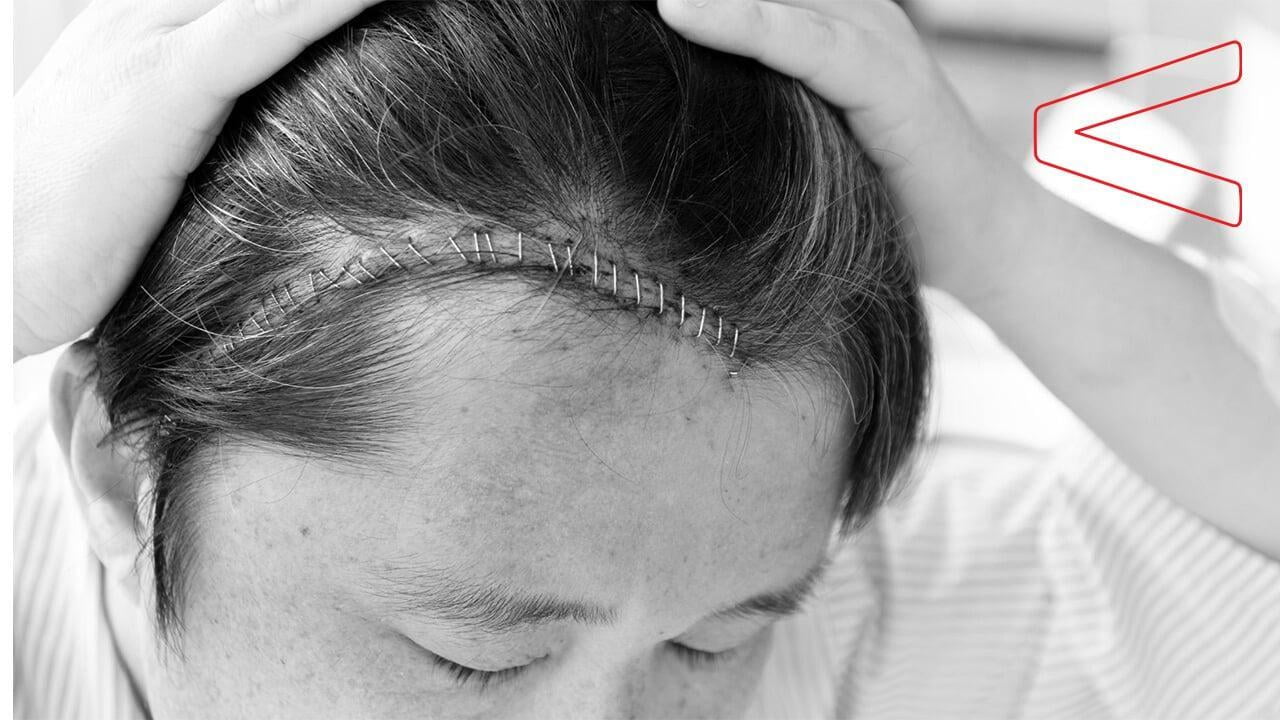
A craniotomy involves the removal of a portion of the skull, known as the bone flap, to expose the brain. This opening allows surgeons to perform various procedures, including removing brain tumors, clipping aneurysms, and relieving brain swelling. After the surgery, the bone flap is typically replaced and secured with plates, sutures, or wires.
Advancements in medical technology have made craniotomy more precise and safer. Techniques like stereotactic craniotomy use computer guidance with MRI or CT scans to pinpoint the exact location of the brain that needs treatment. This precision helps minimize damage to healthy brain tissue and improves surgical outcomes.
At RxSaveZ, we understand the complexities of this procedure and the concerns that patients may have. Our role is to guide you through the process, offering expert second opinions to ensure you are making the best decisions for your health.
III. Types of Craniotomy
III. Types of Craniotomy
There are several types of craniotomies, each designed to address specific conditions or access certain areas of the brain. Let's explore the most common types and their typical applications:
Extended Bifrontal Craniotomy
An extended bifrontal craniotomy is a traditional approach used to access difficult tumors in the front of the brain. Surgeons make an incision behind the hairline and remove the bone that forms the contour of the forehead and orbits. This technique allows them to work in the space behind the eyes without excessive brain manipulation.
RxSaveZ can connect you with neurosurgeons specializing in this procedure and provide you with expert guidance to ensure you understand your options.
Supra-Orbital "Eyebrow" Craniotomy
The supra-orbital craniotomy, often called the "eyebrow" craniotomy, is a minimally invasive procedure where surgeons make a small incision within the eyebrow to access the front of the brain or the pituitary gland. This approach offers several advantages, including less pain, faster recovery, and minimal scarring.
If you need this type of craniotomy, RxSaveZ can help you find specialists who use minimally invasive techniques and provide you with a thorough second opinion to ensure this is the right approach for you.
Retro-Sigmoid "Keyhole" Craniotomy
The retro-sigmoid craniotomy, also known as the "keyhole" craniotomy, involves making a small incision behind the ear to access the cerebellum and brainstem. This minimally invasive approach is often used to remove skull base tumors like meningiomas and acoustic neuromas. The benefits of this procedure include less pain, reduced scarring, and quicker recovery.
RxSaveZ provides expert guidance and support, ensuring that you have access to the best resources and second opinions to help you make informed decisions.
Orbitozygomatic Craniotomy
The orbitozygomatic craniotomy is a traditional skull base approach used to target difficult tumors and aneurysms. Surgeons make an incision behind the hairline and remove the bone forming the contour of the orbit and cheek. Temporarily removing this bone allows them to reach deeper and more complex parts of the brain with minimal damage to brain tissue.
If your condition requires this approach, RxSaveZ can provide you with comprehensive consulting services and multiple second opinions to ensure the best possible outcomes.
Translabyrinthine Craniotomy
The translabyrinthine craniotomy is a procedure that involves making an incision behind the ear and removing the mastoid bone and some of the inner ear bone to access the brain. This approach is often used when there's no useful hearing or when hearing is to be sacrificed to remove tumors.
RxSaveZ can guide you through the implications of this procedure and offer expert advice to help you make the best decisions for your health and well-being.
IV. Reasons for Craniotomy
IV. Reasons for Craniotomy
A craniotomy is performed for various reasons, ranging from treating brain tumors to repairing skull fractures. Here are some of the common reasons why a craniotomy might be needed:
Diagnosing, Removing, or Treating Brain Tumors: Craniotomy allows surgeons to access and remove brain tumors, providing relief from symptoms and improving prognosis.
Clipping or Repairing an Aneurysm: Aneurysms are bulging, weakened areas in brain arteries, which can rupture. Craniotomy allows surgeons to clip aneurysms and prevent potentially life-threatening ruptures.
Relieving Intracranial Pressure: Craniotomy can be used to relieve brain swelling caused by traumatic injuries or strokes.
Treating Epilepsy: In some cases, craniotomy is used to remove brain tissue causing seizures, providing relief to epilepsy patients.
RxSaveZ specializes in providing independent second opinions for these and other conditions requiring craniotomy. Our mission is to ensure that patients receive the most appropriate treatment while avoiding unnecessary surgeries.
V. Risks and Complications
V. Risks and Complications
As with any major surgical procedure, craniotomies carry certain risks and complications. Some risks are general, while others depend on the specific location in the brain being operated on.
Here are some of the common risks associated with craniotomy:
Infection: The risk of infection is always present in surgical procedures, requiring careful post-surgical care.
Bleeding: Craniotomy involves opening the skull, which can lead to bleeding during or after the procedure.
Blood Clots: Blood clots can form during recovery, potentially leading to complications like deep vein thrombosis.
Pneumonia: The use of general anesthesia and limited mobility during recovery can increase the risk of pneumonia.
Seizures: Brain surgery can lead to increased risk of seizures post-operation.
Muscle Weakness: Depending on the area of the brain affected, muscle weakness may occur after surgery.
Brain Swelling: Swelling is a common complication that can increase intracranial pressure.
Leakage of Cerebrospinal Fluid: The fluid surrounding and cushioning the brain can leak, requiring additional care and monitoring.
Specific risks related to certain brain areas include memory problems, speech difficulty, paralysis, abnormal balance or coordination, and, in rare cases, coma.
RxSaveZ mitigates these risks by providing thorough second opinions and personalized care plans. Our role is to ensure you have a comprehensive understanding of the risks and take appropriate steps to minimize them.
VI. Preparing for a Craniotomy
VI. Preparing for a Craniotomy
Proper preparation is essential for a successful craniotomy. Here's what you can expect in terms of pre-surgery preparation:
Medical History and Exams: Your doctor will conduct a comprehensive medical exam to ensure you are fit for surgery.
Preoperative Neurological Exam: This exam will be used to compare with postoperative exams to assess brain function.
Fasting: You may be asked to fast after midnight before the surgery to prepare for anesthesia.
Medication Adjustments: Inform your doctor about all medications you're taking, especially blood thinners, as these may need to be stopped before the procedure.
Anesthesia Preparation: The anesthesiologist will discuss the anesthesia process and potential risks with you.
Hair Preparation: The areas around the surgical site will be shaved before the surgery to ensure a sterile environment.
RxSaveZ's concierge services help guide you through these preparations, ensuring you understand the process and are ready for surgery.
VII. What to Expect During the Procedure
VII. What to Expect During the Procedure
A craniotomy typically requires a hospital stay of 3 to 7 days, with additional time in a rehabilitation unit for recovery. Here's an overview of the surgical process:
Anesthesia and Monitoring: You will be placed under general anesthesia, with an anesthesiologist monitoring your vital signs throughout the surgery.
Incision and Bone Flap Removal: The surgeon will make an incision in the appropriate area of the scalp and remove the bone flap.
Dura Mater Access: The dura mater, the outer covering of the brain, is carefully opened to access the brain.
Surgical Procedure: Depending on the reason for the craniotomy, the surgeon will perform the required tasks, such as removing a tumor or clipping an aneurysm.
Closure: Once the surgery is complete, the bone flap is reattached, and the scalp is closed with sutures or surgical staples.
Bandage and Drainage: A sterile bandage is applied, and a drain may be placed to prevent fluid accumulation.
RxSaveZ provides a comprehensive support system throughout this process, ensuring you have access to experienced professionals who can address any concerns or complications.
VIII. After the Procedure
VIII. After the Procedure
After the surgery, you will be closely monitored in the intensive care unit (ICU) to ensure you are recovering well. Here are some key aspects of the recovery process:
Observation and Monitoring: You will be observed for any complications and given medication to reduce brain swelling.
Neurological Checks: Frequent neurological checks are conducted to assess brain function and monitor your recovery.
Physical Therapy: A physical therapist may help you regain strength and mobility, providing exercises to do in the hospital and at home.
Breathing Exercises: You will be taught breathing exercises to prevent pneumonia and improve lung function.
Sequential Compression Devices: These devices help prevent blood clots by compressing leg veins to keep blood flowing properly.
RxSaveZ ensures that your post-surgical care is tailored to your needs, providing support and guidance through every step of the recovery process.
IX. Recovery and Home Care
IX. Recovery and Home Care
After leaving the hospital, your recovery will continue at home. Proper home care is essential for a successful recovery. Here are some critical steps to follow:
Incision Care: Keep the incision clean and dry, following your doctor's instructions for bathing and care.
Pain Management: Pain or soreness around the incision site is common after surgery. Take pain relievers as recommended by your doctor.
Physical Activity: Gradually increase physical activity as you regain strength, but avoid heavy lifting or strenuous activity.
Driving: Do not drive until your doctor gives you permission, as it could be unsafe during recovery.
It's important to monitor for signs of complications, such as fever, increased pain, or changes in mental status. Contact your doctor immediately if you notice any unusual symptoms.
RxSaveZ provides ongoing support during your recovery, ensuring you receive the guidance and assistance you need as you heal.
X. Craniotomy Costs in India
X. Craniotomy Costs in India
The cost of craniotomy in India varies depending on the city and hospital type. Below is an overview of the average cost range for craniotomy across various Indian cities, along with the key factors that influence pricing:
Delhi: The average cost for a craniotomy in Delhi ranges from INR 2,00,000 to INR 8,00,000. This wide range reflects the high costs of metropolitan infrastructure and specialized care.
Mumbai: In Mumbai, craniotomy costs range from INR 2,50,000 to INR 10,00,000, reflecting the city's high cost of living and advanced medical facilities.
Bangalore: Bangalore's craniotomy costs generally range from INR 2,00,000 to INR 7,00,000, with prices influenced by the city's high-tech medical infrastructure and specialized surgeons.
Chennai: The cost range for craniotomy in Chennai is between INR 1,50,000 and INR 6,00,000. While private hospitals can be pricier, public hospitals often offer more affordable options.
Kolkata: Craniotomy costs in Kolkata generally range from INR 1,50,000 to INR 5,00,000, with lower costs compared to other major metro areas.
Hyderabad: In Hyderabad, craniotomy costs range from INR 2,00,000 to INR 7,00,000. Costs vary based on the specific hospital and the complexity of the procedure.
Pune: Pune's craniotomy costs generally range from INR 1,50,000 to INR 6,00,000, with prices lower than in larger metropolitan cities.
Ahmedabad: The cost range for craniotomy in Ahmedabad is between INR 1,50,000 and INR 5,00,000. Lower costs are often due to regional factors, but private hospitals may be more expensive.
Lucknow: In Lucknow, craniotomy costs generally range from INR 1,00,000 to INR 4,00,000, with public hospitals offering more affordable options.
Jaipur: Jaipur's craniotomy costs range from INR 1,50,000 to INR 4,50,000, with regional variations influencing prices.
Bhopal: In Bhopal, craniotomy costs range from INR 1,00,000 to INR 4,00,000, with generally more affordable costs due to lower overhead.
Surat: Surat's craniotomy costs typically range from INR 1,00,000 to INR 4,00,000, with lower prices due to smaller city infrastructure.
Coimbatore: In Coimbatore, craniotomy costs generally range from INR 1,00,000 to INR 4,00,000, with a variety of public and private hospitals available.
Nagpur: The cost range for craniotomy in Nagpur is between INR 1,00,000 and INR 4,00,000, with generally lower costs compared to larger metropolitan areas.
Patna: In Patna, craniotomy costs typically range from INR 1,00,000 to INR 4,00,000, with public hospitals generally offering more affordable options.
These cost ranges include the surgery, hospitalization, and initial recovery. However, actual costs can vary based on individual circumstances, the specific hospital, and additional services required.
At RxSaveZ, we help patients navigate these costs, providing guidance and connecting you with cost-effective options for craniotomy procedures.
Disclaimer:
The costs represent a general estimate that includes emergency care, hospitalization, surgery, and rehabilitation.
Variability in costs depends on the type of hospital, severity of injury, length of hospital stay, and specific treatment requirements.
Public hospitals generally offer lower-cost or subsidized treatment, while private hospitals are often more expensive.
For precise estimates, consulting with healthcare providers or insurance representatives is recommended.
Regional economic differences and cost of living can impact the overall costs in each city.
XI. Factors Affecting the Cost of Surgery
XI. Factors Affecting the Cost of Surgery
The cost of surgery can vary widely based on several critical factors. Understanding these factors can help patients and their families anticipate and manage the financial implications of surgery. Below are the primary considerations that impact surgical costs:
1. Type of Surgery
The type of surgical procedure is a significant determinant of cost. Surgeries range from minor to complex, with more complicated procedures typically costing more due to specialized equipment, expertise, and longer operating times.
2. Severity of the Condition
Surgical costs can be influenced by the severity of the patient's condition. More severe or complicated cases often require additional resources, longer hospital stays, and intensive care, all of which increase costs.
3. Hospital or Medical Facility
Costs can differ significantly between hospitals and medical facilities. Public hospitals generally offer more affordable rates, while private hospitals tend to be more expensive due to additional amenities and services.
4. Surgeon's Expertise and Reputation
Highly skilled and renowned surgeons often command higher fees due to their expertise and experience. Surgeons with specialized training in specific procedures may charge more than general surgeons.
5. Location and Region
Geographic location plays a role in surgical costs. Surgeries in major cities or metropolitan areas tend to be more expensive due to higher overheads, cost of living, and demand for healthcare services. Costs may be lower in smaller towns or rural areas.
6. Anesthesia and Medication
The type of anesthesia used during surgery, as well as post-operative medications, can affect the overall cost. General anesthesia usually costs more than local anesthesia, and complex cases may require more extensive pain management.
7. Hospitalization and Recovery
The length of hospital stay and the level of care required during recovery impact costs. Patients who need intensive care or specialized post-operative monitoring typically incur higher expenses.
8. Additional Services
Additional services such as diagnostic tests, imaging, rehabilitation, and physical therapy can increase costs. These services are often necessary for proper diagnosis, treatment, and recovery.
9. Insurance Coverage
Insurance coverage can significantly affect out-of-pocket costs for surgery. The type of insurance plan, coverage limits, co-pays, and deductibles can determine how much of the cost is covered by insurance.
10. Unforeseen Complications
Complications during or after surgery can lead to unexpected costs. This could include additional surgeries, extended hospital stays, or specialized care to address complications.
Final Thoughts
Given the complexity of factors affecting surgical costs, it's crucial to discuss all potential costs with healthcare providers and insurance representatives beforehand. Understanding these factors helps patients and families make informed decisions and plan for the financial implications of surgery.
XII. Why Choose RxSaveZ for Craniotomy
XII. Why Choose RxSaveZ for Craniotomy
Choosing RxSaveZ for craniotomy consultation and support offers several key benefits:
5-Point Savings: RxSaveZ's unique 5-point savings concept helps patients save money, time, effort, worries, and trouble. We offer personalized concierge services and second opinions, ensuring a stress-free experience.
Expert Guidance: Our team of Patient Relationship Managers (PRMs) provides expert guidance, helping you make informed decisions about your surgery and recovery.
Comprehensive Support: RxSaveZ journeys with you throughout the craniotomy process, from pre-operative preparation to post-surgical recovery, ensuring you have the support you need.
Independent Consulting: As an independent healthcare consulting company, RxSaveZ offers unbiased second opinions, ensuring you receive the most appropriate treatment without hospital influences.
XIII. Conclusion
XIII. Conclusion
Craniotomy is a complex surgical procedure that requires careful consideration and expert guidance. RxSaveZ is dedicated to supporting patients throughout their craniotomy journey, providing personalized second opinions, comprehensive consulting, and ongoing support. If you're facing a craniotomy or considering surgery, RxSaveZ is here to help you navigate the process with confidence and peace of mind.
If you have questions or would like to schedule a consultation, contact RxSaveZ today to learn how we can assist you with your medical needs. We are committed to ensuring you receive the best possible care while making the process as smooth and stress-free as possible.