
Slip Disc and Herniated Disc: Understanding, Treatment, and Support with RxSaveZ
Slip Disc and Herniated Disc: Understanding, Treatment, and Support with RxSaveZ
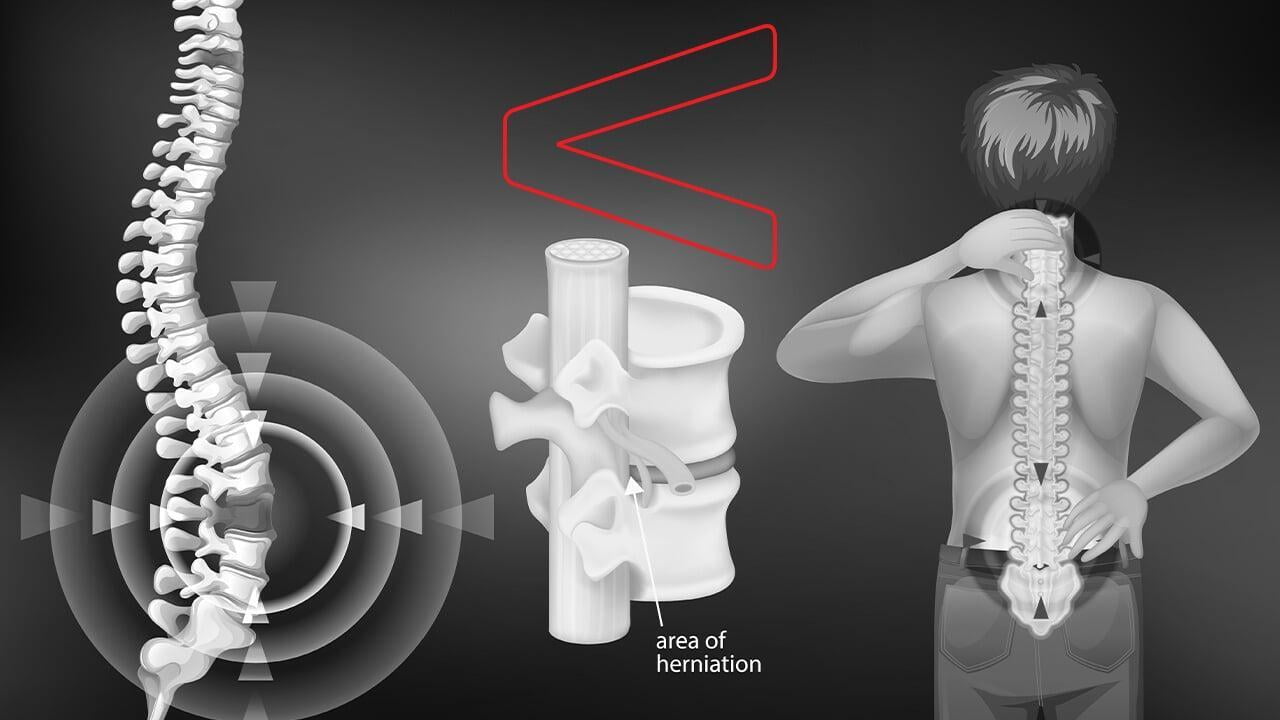
1. Introduction to Slip Disc and Herniated Disc
1. Introduction to Slip Disc and Herniated Disc
Our spine is a complex structure made up of individual bones, or vertebrae, cushioned by soft, rubbery discs. These discs play a critical role in allowing flexibility and movement while providing shock absorption. However, sometimes the outer ring of these discs can weaken or tear, causing the inner ring to bulge or slip out. This condition is known as a slip disc or herniated disc.
Slip disc can lead to significant pain, discomfort, and a variety of other symptoms that can disrupt daily life. In this comprehensive guide, we’ll explore the causes, symptoms, and treatment options for slip disc, as well as the support available through RxSaveZ's unique services and patient-focused approach.
2. Causes and Risk Factors
2. Causes and Risk Factors
A slip disc can occur due to a variety of reasons. Understanding these causes can help you take preventive measures and reduce the risk of developing a herniated disc in the future. Here are some of the most common causes:
Sedentary Lifestyle: A lack of physical activity can weaken the muscles that support the spine, making it more susceptible to injury.
Incorrect Posture: Poor posture, especially while sitting for long periods, puts undue stress on the spine, leading to disc issues.
Aging: As we age, the discs in our spine begin to degenerate, losing their flexibility and becoming more prone to tearing.
Lifting Heavy Weights: Improper lifting techniques or attempting to lift objects that are too heavy can strain the spine and cause a slip disc.
Obesity: Excess weight places additional pressure on the spine, increasing the risk of disc-related issues.
By addressing these risk factors, you can significantly reduce the chances of developing a slip disc. However, if symptoms do occur, it's crucial to seek medical attention promptly.
3. Symptoms and When to Seek Medical Advice
3. Symptoms and When to Seek Medical Advice
A slip disc can cause a range of symptoms, depending on the location and severity of the herniation. The most common symptoms include:
Pain: This can occur in the lower back, neck, or along the spine. The pain may intensify with certain movements or activities.
Tingling or Numbness: These sensations can be felt in the lower back, legs, arms, or other areas depending on where the disc is pressing on a nerve.
Muscle Weakness: A slip disc can weaken muscles, leading to difficulty in gripping or lifting objects.
Incontinence: In severe cases, a slip disc can affect bladder or bowel control, indicating a more serious issue.
If you experience any of these symptoms, it's important to consult a doctor. Ignoring them could lead to further complications and a significant impact on your quality of life.
4. Importance of Consulting a Doctor
4. Importance of Consulting a Doctor
While mild slip disc symptoms might seem manageable, seeking professional medical advice is crucial to avoid long-term damage and complications. A doctor can help you understand the severity of the condition and recommend the best course of action. Here’s why consulting a doctor is essential:
Preventing Further Damage: Early intervention can help prevent the condition from worsening, reducing the risk of chronic pain or nerve damage.
Tailored Treatment Plan: A doctor can create a personalized treatment plan that addresses your specific symptoms and lifestyle.
Avoiding Unnecessary Surgery: With a thorough diagnosis, you can explore conservative treatment options before considering surgical intervention.
Ignoring slip disc symptoms can lead to more severe pain, numbness, and even loss of sensation in the thighs or legs. In extreme cases, it can cause incontinence, requiring emergency medical treatment. Therefore, timely consultation with a healthcare professional is vital.
5. Diagnostic Procedures for Slip Disc
5. Diagnostic Procedures for Slip Disc
When you visit a doctor for slip disc symptoms, they will conduct a thorough examination to determine the exact cause of your discomfort. The diagnostic process typically involves the following steps:
Physical Examination: The doctor will assess your reflexes, muscle strength, and range of motion to identify any abnormalities.
Imaging Tests: To get a detailed view of the spine, the doctor may recommend an MRI, CT scan, or X-ray. These tests help pinpoint the location and severity of the herniation.
Nerve Tests: In some cases, nerve conduction studies or electromyography (EMG) may be conducted to assess nerve function and determine the extent of nerve damage.
These diagnostic procedures help doctors determine the best course of treatment and whether surgery is necessary.
6. Treatment Options for Slip Disc
6. Treatment Options for Slip Disc
Treatment for slip disc can vary depending on the severity of the condition and the symptoms experienced by the patient. Here are some common treatment options:
Medication: Non-steroidal anti-inflammatory drugs (NSAIDs) and painkillers are often used to manage pain and reduce inflammation.
Physiotherapy: Physical therapy can strengthen the muscles around the spine, improving mobility and reducing pain.
Injections: In some cases, corticosteroid injections may be used to reduce inflammation and alleviate pain.
Alternative Therapies: Treatments like yoga, acupuncture, and massage can help manage symptoms and improve overall well-being.
These non-surgical treatment options are typically the first line of defense against slip disc. However, if the symptoms persist or worsen, surgery may be necessary.
7. Surgical Procedures for Slip Disc
7. Surgical Procedures for Slip Disc
Surgical intervention is recommended when conservative treatments fail to provide relief or when symptoms become severe. There are several surgical procedures to treat slip disc, each with its own benefits and risks. Let's explore some of the common surgical procedures for slip disc:
Laminotomy or Laminectomy
In this procedure, a portion or the entire lamina (a part of the spinal cord) is removed to relieve pressure on the nerves.
The procedure involves making a small incision in the back or neck, inserting a camera to guide the surgery, and removing the lamina as required.
Recovery from this procedure typically involves a 1-day hospital stay, with complete recovery taking several weeks. Physiotherapy is crucial for a successful recovery.
Risks include infections, bleeding, breathing problems, and nerve injuries.
Spinal Fusion
This procedure involves joining two bones in the spine with screws or rods to stabilize the spine and reduce pain.
The surgery can be performed from the front or back, depending on the location of the damaged disc.
Recovery from spinal fusion usually requires a 4-day hospital stay, with complete recovery taking 3-6 months. A nutritious diet and physiotherapy are important during recovery.
Risks include infection, bleeding, nerve injuries, and complications from anesthesia.
Discectomy
This procedure removes the herniated part of the disc to relieve pressure on the nerves and reduce pain.
It is suitable when the outer ring of the disc is intact.
Recovery from a discectomy typically involves a 1-3 day hospital stay, with complete recovery taking 1-4 weeks. Physiotherapy is recommended to aid recovery.
Risks include infection, bleeding, nerve injury, deep vein thrombosis, and lung problems.
Artificial Disc Surgery
This procedure involves replacing a damaged disc with an artificial disc to restore function and relieve pain.
The surgery is done through an incision in the abdomen, and the damaged disc is replaced with an artificial one.
Recovery from artificial disc surgery usually requires a 1-3 day hospital stay, with complete recovery taking several weeks. Physiotherapy and a healthy diet are recommended during recovery.
Risks include infection, bleeding, nerve injuries, and spinal injury.
8. Post-Surgical Care and Dietary Guidelines
8. Post-Surgical Care and Dietary Guidelines
After surgery for slip disc, post-operative care and a healthy diet are essential for a smooth recovery. Here's what to expect during the recovery process and dietary recommendations:
Post-Surgical Care:
Hospital stays range from 1 to 4 days depending on the procedure and the patient's condition.
Physiotherapy plays a crucial role in regaining mobility and strength.
Regular follow-up appointments are necessary to monitor healing and identify any complications.
Dietary Guidelines:
A healthy diet rich in lean proteins, low-fat dairy, and high-fiber foods is recommended to support recovery.
Adequate calcium, minerals, and vitamins are important for bone health and overall well-being.
Patients should avoid heavy or unhealthy foods that could slow down recovery.
Following these post-surgical care and dietary guidelines can help ensure a successful recovery and reduce the risk of complications.
9. Cost and Pricing Details for Slip Disc Treatments
9. Cost and Pricing Details for Slip Disc Treatments
The cost of slip disc treatments in India can vary depending on the type of surgery, the hospital, and other factors. Here's a general overview of the costs associated with slip disc treatment:
Cost for Indian Patients: The cost of slip disc treatment for Indian patients ranges from Rs.177600 to Rs.236800.
Cost for International Patients: The cost for international patients ranges from USD 3600 to USD 4400.
These costs typically include preoperative diagnostic tests, surgery, post-operative care, medications, and physiotherapy. However, the overall cost may vary based on additional factors, such as:
The type of hospital and room opted (General, Twin sharing, or Single room)
The severity of the condition and any post-surgical complications
The age of the patient and their overall health
Additional costs for blood products, if required
The cost of accommodation during follow-ups for non-local patients
Different cities in India have varying costs for slip disc treatments, with Tier 1 cities generally being more expensive than Tier 2 cities. Here's a breakdown of the cost range for slip disc spine in some major cities:
New Delhi: Rs.150072 to Rs.234728
Gurgaon: Rs.153920 to Rs.230880
Chennai: Rs.153920 to Rs.221260
Mumbai: Rs.157768 to Rs.234728
Bangalore: Rs.150072 to Rs.227032
For those considering treatment abroad, here's a comparison of slip disc costs in popular medical tourism destinations:
Turkey: USD 4000 to USD 6000
Thailand: USD 5200 to USD 7800
Germany: USD 8000 to USD 12000
Israel: USD 14400 to USD 21600
Singapore: USD 23200 to USD 34800
Malaysia: USD 6400 to USD 9600
Disclaimer:
The costs represent a general estimate that includes emergency care, hospitalization, surgery, and rehabilitation.
Variability in costs depends on the type of hospital, severity of injury, length of hospital stay, and specific treatment requirements.
Public hospitals generally offer lower-cost or subsidized treatment, while private hospitals are often more expensive.
For precise estimates, consulting with healthcare providers or insurance representatives is recommended.
Regional economic differences and cost of living can impact the overall costs in each city.
10. Factors Affecting the Cost of Surgery
10. Factors Affecting the Cost of Surgery
The cost of surgery can vary widely based on several critical factors. Understanding these factors can help patients and their families anticipate and manage the financial implications of surgery. Below are the primary considerations that impact surgical costs:
1. Type of Surgery
The type of surgical procedure is a significant determinant of cost. Surgeries range from minor to complex, with more complicated procedures typically costing more due to specialized equipment, expertise, and longer operating times.
2. Severity of the Condition
Surgical costs can be influenced by the severity of the patient's condition. More severe or complicated cases often require additional resources, longer hospital stays, and intensive care, all of which increase costs.
3. Hospital or Medical Facility
Costs can differ significantly between hospitals and medical facilities. Public hospitals generally offer more affordable rates, while private hospitals tend to be more expensive due to additional amenities and services.
4. Surgeon's Expertise and Reputation
Highly skilled and renowned surgeons often command higher fees due to their expertise and experience. Surgeons with specialized training in specific procedures may charge more than general surgeons.
5. Location and Region
Geographic location plays a role in surgical costs. Surgeries in major cities or metropolitan areas tend to be more expensive due to higher overheads, cost of living, and demand for healthcare services. Costs may be lower in smaller towns or rural areas.
6. Anesthesia and Medication
The type of anesthesia used during surgery, as well as post-operative medications, can affect the overall cost. General anesthesia usually costs more than local anesthesia, and complex cases may require more extensive pain management.
7. Hospitalization and Recovery
The length of hospital stay and the level of care required during recovery impact costs. Patients who need intensive care or specialized post-operative monitoring typically incur higher expenses.
8. Additional Services
Additional services such as diagnostic tests, imaging, rehabilitation, and physical therapy can increase costs. These services are often necessary for proper diagnosis, treatment, and recovery.
9. Insurance Coverage
Insurance coverage can significantly affect out-of-pocket costs for surgery. The type of insurance plan, coverage limits, co-pays, and deductibles can determine how much of the cost is covered by insurance.
10. Unforeseen Complications
Complications during or after surgery can lead to unexpected costs. This could include additional surgeries, extended hospital stays, or specialized care to address complications.
Final Thoughts
Given the complexity of factors affecting surgical costs, it's crucial to discuss all potential costs with healthcare providers and insurance representatives beforehand. Understanding these factors helps patients and families make informed decisions and plan for the financial implications of surgery.
11. Additional Services and Benefits Offered by RxSaveZ
11. Additional Services and Benefits Offered by RxSaveZ
RxSaveZ is a unique platform that offers patient-centric support and independent medical opinions for slip disc and other medical conditions. Here's how RxSaveZ stands out from traditional healthcare providers:
The 5-Point Savings Strategy: RxSaveZ focuses on saving money, time, effort, worry, and trouble for patients seeking surgical treatment.
Concierge Service: RxSaveZ provides patient relationship managers (PRMs) who are available on WhatsApp to guide patients through the entire process, from diagnosis to post-surgical care.
Independent Medical Opinions: RxSaveZ is not affiliated with any specific hospitals, allowing them to offer unbiased medical advice and second opinions.
Special Discounts and Rewards: Through the RxRewardz loyalty program, patients can earn discounts on medical devices, pharmaceuticals, and nutraceutical products.
By choosing RxSaveZ, patients gain access to a dedicated team that journeys with them through their healthcare process, providing expert advice and comprehensive support.
12. Conclusion and Final Thoughts
12. Conclusion and Final Thoughts
Slip disc and herniated disc are common spinal conditions that can cause significant pain and discomfort. Understanding the causes, symptoms, and treatment options is crucial for managing these conditions effectively. By consulting with medical professionals and considering surgical options when necessary, you can regain mobility and reduce pain.
RxSaveZ offers a patient-centric approach that prioritizes your well-being. With their 5-point savings strategy and dedicated concierge service, they guide you through the complexities of slip disc treatment, ensuring you get the best care and support.
If you're experiencing symptoms of a slip disc or are considering surgery, don't hesitate to reach out to RxSaveZ for a second opinion and comprehensive support. Your health and comfort are their top priorities.