
Understanding Traumatic Brain Injury: Causes, Symptoms, and Treatment Options
Understanding Traumatic Brain Injury: Causes, Symptoms, and Treatment Options
Introduction to Traumatic Brain Injury (TBI)
Introduction to Traumatic Brain Injury (TBI)
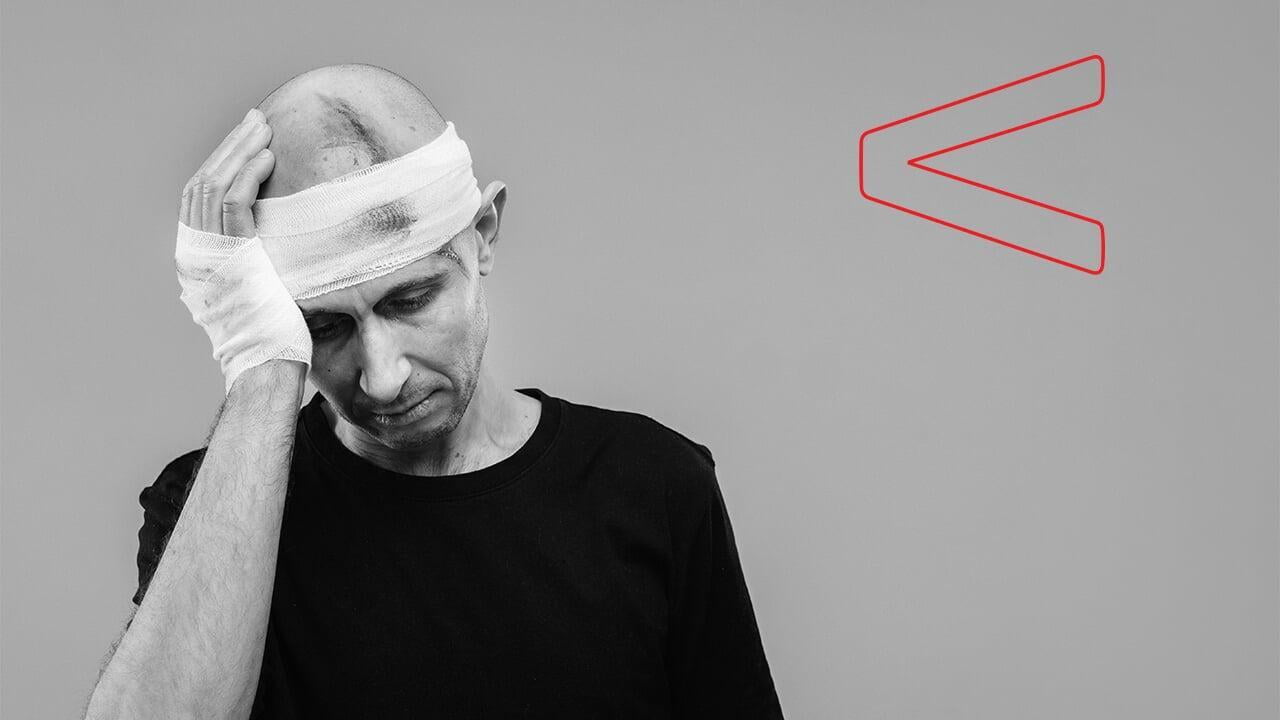
Traumatic brain injury (TBI) is a serious medical condition that occurs when a violent blow or jolt to the head or body disrupts brain function. It can also be caused by an object penetrating brain tissue, such as a bullet or a shard of bone from a skull fracture. While some traumatic brain injuries may be mild, resulting in temporary changes in brain function, more severe injuries can lead to long-term complications or even death.
At RxSavez, we understand that navigating the complexities of a traumatic brain injury can be overwhelming. We provide second opinions and personalized guidance to help patients and their families make informed decisions about their treatment options. Our experienced patient relationship managers (PRMs) are available to support you throughout your journey.
Types of Traumatic Brain Injury
Types of Traumatic Brain Injury
Mild Traumatic Brain Injury
A mild traumatic brain injury, often called a concussion, may not always involve loss of consciousness, but it can still have a significant impact on a person's life. The symptoms can include:
Physical symptoms:Headaches, nausea, fatigue, dizziness, and problems with speech
Sensory symptoms: Blurred vision, ringing in the ears, sensitivity to light or sound
Cognitive and behavioral symptoms:Memory problems, mood swings, difficulty concentrating, and irritability
Despite the term "mild," these symptoms can be debilitating. If you or a loved one is experiencing these signs after a blow to the head, it's important to seek medical advice.
RxSavez can help you understand these symptoms and connect you with specialists for a second opinion to ensure you're receiving the right care.
A mild traumatic brain injury, often called a concussion, may not always involve loss of consciousness, but it can still have a significant impact on a person's life. The symptoms can include:
Physical symptoms:Headaches, nausea, fatigue, dizziness, and problems with speech
Sensory symptoms: Blurred vision, ringing in the ears, sensitivity to light or sound
Cognitive and behavioral symptoms:Memory problems, mood swings, difficulty concentrating, and irritability
Despite the term "mild," these symptoms can be debilitating. If you or a loved one is experiencing these signs after a blow to the head, it's important to seek medical advice.
RxSavez can help you understand these symptoms and connect you with specialists for a second opinion to ensure you're receiving the right care.
Moderate to Severe Traumatic Brain Injury
Moderate to severe traumatic brain injuries can cause a broader range of symptoms, including:
Physical symptoms: Loss of consciousness for several minutes to hours, severe headaches, repeated vomiting, convulsions, and loss of coordination
Cognitive symptoms:Profound confusion, agitation, and slurred speech
Additional symptoms in children:Changes in eating habits, irritability, persistent crying, and loss of interest in favorite toys or activities
These symptoms can appear within hours to days after a head injury. If you notice these signs, seek emergency medical care immediately. RxSavez can assist you in understanding these symptoms and guide you through the treatment process, ensuring you receive appropriate care.
Moderate to severe traumatic brain injuries can cause a broader range of symptoms, including:
Physical symptoms: Loss of consciousness for several minutes to hours, severe headaches, repeated vomiting, convulsions, and loss of coordination
Cognitive symptoms:Profound confusion, agitation, and slurred speech
Additional symptoms in children:Changes in eating habits, irritability, persistent crying, and loss of interest in favorite toys or activities
These symptoms can appear within hours to days after a head injury. If you notice these signs, seek emergency medical care immediately. RxSavez can assist you in understanding these symptoms and guide you through the treatment process, ensuring you receive appropriate care.
Causes and Risk Factors of TBI
Causes and Risk Factors of TBI
Traumatic brain injury can occur due to various reasons. The most common causes include:
Falls: This is the leading cause of TBI, particularly among older adults and young children.
Vehicle-related collisions: Car accidents, motorcycle crashes, and bicycle collisions often result in traumatic brain injuries.
Violence: Incidents like gunshot wounds, domestic violence, and child abuse can cause severe brain injuries.
Sports injuries: Contact sports such as football, soccer, and hockey are common causes of TBI.
Explosive blasts: Common among military personnel, explosive blasts can cause significant brain damage.
The risk factors for TBI vary depending on age, gender, and other factors. The groups most at risk include children under 4, young adults between 15 and 24, adults over 60, and males in any age group.
RxSavez helps assess these risk factors and guides patients toward the best treatment options based on their unique circumstances. We provide insights into the causes and work with you to explore the most appropriate treatment paths.
Complications of Traumatic Brain Injury
Complications of Traumatic Brain Injury
Complications from TBI can range from immediate to long-term issues. Severe injuries can lead to a higher risk of complications. Common complications include:
Altered consciousness: This can range from coma to vegetative state or minimally conscious state.
Seizures: Post-traumatic epilepsy may occur in some cases.
Fluid buildup: Hydrocephalus, where cerebrospinal fluid builds up, causing brain swelling.
Infections: Skull fractures or penetrating wounds can lead to infections like meningitis.
Blood vessel damage: Can lead to stroke or blood clots.
Headaches and vertigo: Persistent issues that affect quality of life.
Cranial nerve damage: Can cause paralysis, vision problems, and swallowing issues.
Additionally, TBI can lead to intellectual problems, communication issues, and behavioral or emotional changes. There's also a potential link between TBI and degenerative brain diseases, though research is ongoing in this area.
RxSavez is here to help you navigate these complications. We offer support, guidance, and second opinions to ensure you're on the right track to recovery. Our PRMs can help you access the right resources and manage the complex journey through treatment and rehabilitation.
Diagnosis of Traumatic Brain Injury
Diagnosis of Traumatic Brain Injury
Accurate diagnosis is crucial for effective treatment of TBI. In emergencies, the Glasgow Coma Scale (GCS) is used to assess the severity of brain injury based on responses to stimuli. Imaging tests such as CT scans and MRIs are used to visualize fractures, bleeding, and other brain damage.
RxSavez provides support in this critical phase, helping you understand the diagnostic process and facilitating second opinions to ensure the accuracy of your diagnosis.
Treatment of Traumatic Brain Injury
Treatment of Traumatic Brain Injury
Mild Injury
Treatment for mild TBI typically involves rest and over-the-counter pain relievers. However, it's crucial to monitor for any persistent or worsening symptoms. RxSavez can help you understand the appropriate follow-up care and arrange second opinions if needed.
Emergency Treatment for Moderate to Severe TBI
For moderate to severe cases, emergency care focuses on maintaining oxygen supply, preventing further injury, and addressing secondary damage. Treatments may include medications such as anti-seizure drugs, diuretics, or coma-inducing drugs. Surgery may also be required to remove clotted blood, repair skull fractures, or create a window in the skull to relieve pressure.
RxSavez can guide you through these emergency treatments, providing second opinions and ensuring you have access to the best care. Our PRMs can help you coordinate with hospitals and specialists, reducing stress during a difficult time.
Rehabilitation
Rehabilitation
Most people with significant TBI require rehabilitation to relearn basic skills such as walking or talking. Rehabilitation typically involves a team of specialists, including physiatrists, occupational therapists, physical therapists, speech and language therapists, and neuropsychologists.
RxSavez assists in connecting patients with these specialists, ensuring a comprehensive rehabilitation plan tailored to individual needs. We help you find the right resources and guide you through the recovery process.
Costs of TBI Treatment in India
Costs of TBI Treatment in India
The costs of treating TBI can vary across different Indian cities. Here's a general range of average costs, including hospitalization, surgery, and rehabilitation:
Delhi: ₹2,00,000 - ₹6,00,000
Mumbai: ₹2,50,000 - ₹8,00,000
Bangalore: ₹2,00,000 - ₹6,00,000
Chennai: ₹1,50,000 - ₹5,00,000
Kolkata: ₹1,50,000 - ₹4,50,000
Hyderabad: ₹2,00,000 - ₹6,00,000
Pune: ₹1,50,000 - ₹5,00,000
Ahmedabad: ₹1,50,000 - ₹5,00,000
Lucknow: ₹1,50,000 - ₹4,00,000
Jaipur: ₹1,50,000 - ₹4,50,000
RxSavez helps reduce these costs through second opinions and effective treatment planning. By providing accurate information and connecting you with appropriate services, we can help you make cost-effective decisions without compromising quality of care.
Disclaimer:
The costs represent a general estimate that includes emergency care, hospitalization, surgery, and rehabilitation.
Variability in costs depends on the type of hospital, severity of injury, length of hospital stay, and specific treatment requirements.
Public hospitals generally offer lower-cost or subsidized treatment, while private hospitals are often more expensive.
For precise estimates, consulting with healthcare providers or insurance representatives is recommended.
Regional economic differences and cost of living can impact the overall costs in each city.
Factors Affecting the Cost of Surgery
Factors Affecting the Cost of Surgery
The cost of surgery can vary widely based on several critical factors. Understanding these factors can help patients and their families anticipate and manage the financial implications of surgery. Below are the primary considerations that impact surgical costs:
1. Type of Surgery
The type of surgical procedure is a significant determinant of cost. Surgeries range from minor to complex, with more complicated procedures typically costing more due to specialized equipment, expertise, and longer operating times.
2. Severity of the Condition
Surgical costs can be influenced by the severity of the patient's condition. More severe or complicated cases often require additional resources, longer hospital stays, and intensive care, all of which increase costs.
3. Hospital or Medical Facility
Costs can differ significantly between hospitals and medical facilities. Public hospitals generally offer more affordable rates, while private hospitals tend to be more expensive due to additional amenities and services.
4. Surgeon's Expertise and Reputation
Highly skilled and renowned surgeons often command higher fees due to their expertise and experience. Surgeons with specialized training in specific procedures may charge more than general surgeons.
5. Location and Region
Geographic location plays a role in surgical costs. Surgeries in major cities or metropolitan areas tend to be more expensive due to higher overheads, cost of living, and demand for healthcare services. Costs may be lower in smaller towns or rural areas.
6. Anesthesia and Medication
The type of anesthesia used during surgery, as well as post-operative medications, can affect the overall cost. General anesthesia usually costs more than local anesthesia, and complex cases may require more extensive pain management.
7. Hospitalization and Recovery
The length of hospital stay and the level of care required during recovery impact costs. Patients who need intensive care or specialized post-operative monitoring typically incur higher expenses.
8. Additional Services
Additional services such as diagnostic tests, imaging, rehabilitation, and physical therapy can increase costs. These services are often necessary for proper diagnosis, treatment, and recovery.
9. Insurance Coverage
Insurance coverage can significantly affect out-of-pocket costs for surgery. The type of insurance plan, coverage limits, co-pays, and deductibles can determine how much of the cost is covered by insurance.
10. Unforeseen Complications
Complications during or after surgery can lead to unexpected costs. This could include additional surgeries, extended hospital stays, or specialized care to address complications.
Final Thoughts
Given the complexity of factors affecting surgical costs, it's crucial to discuss all potential costs with healthcare providers and insurance representatives beforehand. Understanding these factors helps patients and families make informed decisions and plan for the financial implications of surgery.
Coping and Support for Traumatic Brain Injury
Coping and Support for Traumatic Brain Injury
Coping with TBI requires a comprehensive approach that involves family, friends, and healthcare providers. Strategies for coping include joining support groups, writing things down to aid memory, following a consistent routine, taking breaks, and minimizing distractions.
RxSavez supports you through these challenges. We can connect you with support groups, offer coping strategies, and help you create a routine that works for you. Our PRMs are available on WhatsApp to answer questions and provide guidance.
Prevention of Traumatic Brain Injury
Prevention of Traumatic Brain Injury
While traumatic brain injury can be severe, there are ways to reduce the risk. Some prevention tips include:
Wear seat belts and helmets: This is especially important when driving or engaging in sports activities.
Prevent falls: Install handrails, use non-slip mats, and improve lighting in your home.
Avoid distractions: Don't use phones or tablets while driving or walking.
Prevent head injuries in children: Install safety gates, use playgrounds with shock-absorbing materials, and ensure area rugs are secure.
RxSavez is committed to patient education and prevention. We offer resources and advice on how to stay safe and prevent head injuries in everyday situations.
Conclusion
Conclusion
Traumatic brain injury is a complex condition that requires careful diagnosis, treatment, and rehabilitation. Whether you're dealing with a mild concussion or a severe brain injury, it's crucial to have reliable information and access to the right care.
RxSavez is here to help you through this journey. We offer second opinions, guidance, and support to ensure you're on the right path to recovery. If you or a loved one has experienced a traumatic brain injury, don't hesitate to contact RxSavez for assistance. We are dedicated to providing the best possible care and support for our patients.
For more information on how RxSavez can help you with traumatic brain injury and other healthcare needs, visit our website or contact us via WhatsApp. Let us help you find the right solutions for your medical journey.