
ACL Surgery: What You Need to Know
ACL Surgery: What You Need to Know
Introduction to ACL Surgery
Introduction to ACL Surgery
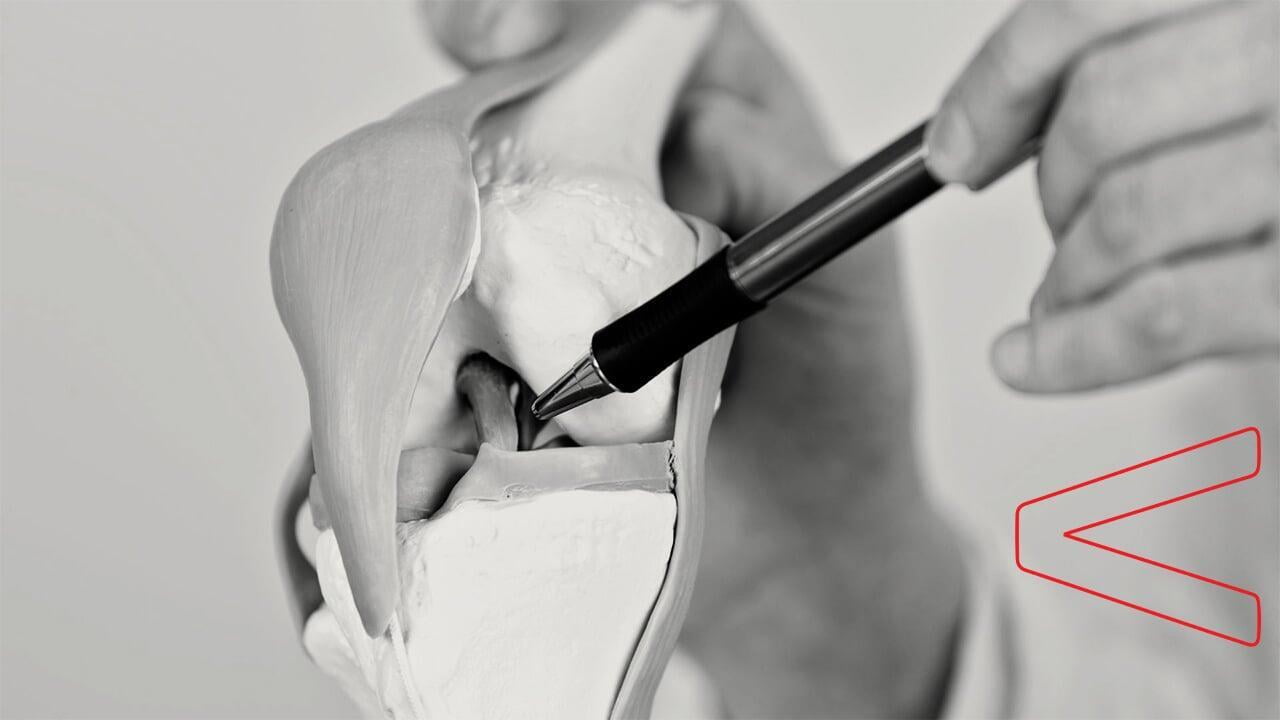
The Anterior Cruciate Ligament (ACL) is a critical component of your knee, responsible for stability and flexibility. It's one of the four primary ligaments in the knee that connect the thigh bone to the shinbone, allowing smooth movements like bending, twisting, and turning. When the ACL is partially or completely torn, it can severely impact mobility, requiring surgical intervention to restore normal knee function.
ACL surgery is a common procedure, particularly among athletes and active individuals. It aims to repair or replace the damaged ligament, providing a path to recovery and resuming normal activities. This article delves into the causes, symptoms, diagnosis, and various treatment options for ACL tears. We also cover recovery and associated costs to help you make informed decisions about your treatment.
What Causes ACL Tears?
What Causes ACL Tears?
ACL tears often occur during high-impact sports or activities that involve sudden stops, pivots, or twists. Sports like football, basketball, soccer, skiing, and gymnastics are frequent culprits due to the rapid movements and stress they place on the knee.
Aside from sports, ACL tears can also occur due to:
Falls or accidents where the knee twists unnaturally.
Overuse injuries from repetitive strain.
Weakness in the surrounding muscles, leading to added stress on the ACL.
Symptoms of ACL Tears
Symptoms of ACL Tears
An ACL tear typically has a distinct onset, marked by a loud "pop" sound from the knee. Other common symptoms include:
Pain: Ranging from mild to severe, depending on the extent of the tear.
Swelling: Often occurring within hours of the injury.
Limited mobility: Difficulty walking, bending the knee, or putting weight on it.
Instability: A feeling that the knee might "give way" or collapse.
These symptoms require immediate medical attention to prevent further damage and complications.
Why You Should See a Doctor for an ACL Tear
Why You Should See a Doctor for an ACL Tear
Ignoring an ACL tear can lead to significant complications, including:
Severe pain: Unchecked tears can cause chronic pain and discomfort.
Further damage: Additional strain on the knee can exacerbate the tear.
Osteoarthritis: A degenerative joint disease that can develop over time.
Visiting a doctor early can prevent these complications and ensure a proper treatment plan. It's essential to understand the extent of the damage to choose the right course of action, whether surgical or non-surgical.
How ACL Tears Are Diagnosed
How ACL Tears Are Diagnosed
Diagnosing an ACL tear involves a combination of physical examination and imaging tests. Here's what to expect during the diagnostic process:
Physical Examination: Your doctor will examine your knee for swelling, tenderness, and range of motion. They may perform specific tests to assess the stability and integrity of the ligament.
X-rays: Although X-rays don't show ligaments, they can reveal any bone fractures or other injuries that may accompany an ACL tear.
MRI Scans: An MRI provides detailed images of the knee's soft tissues, allowing doctors to assess the severity of the ACL tear and any other ligament or meniscus damage.
Arthroscopy: In some cases, doctors may perform an arthroscopy, where a small camera is inserted into the knee to examine the damage visually. This procedure provides the most accurate assessment of the injury.
Once the extent of the injury is determined, your doctor will discuss the best treatment options.
Treatment Options for ACL Tears
Treatment Options for ACL Tears
The treatment for an ACL tear depends on the severity of the injury, your activity level, and overall health. Non-surgical treatments are possible for minor tears, while severe tears generally require surgery. Here are the primary treatment options:
Non-surgical Treatments: If the tear is minor, doctors may recommend knee braces, physiotherapy, and pain medication. This approach focuses on stabilizing the knee and strengthening the surrounding muscles to compensate for the damaged ligament.
Arthroscopic ACL Surgery: This minimally invasive procedure is commonly used to repair or replace the ACL. It involves small incisions and a tiny camera to guide the surgery, resulting in a shorter recovery time and less risk of infection.
Open ACL Surgery: In some cases, especially when the damage is extensive, open surgery is required. This procedure involves a larger incision to access and repair the ligament, leading to a longer recovery period but offering better visibility for complex repairs.
Arthroscopic ACL Surgery
Arthroscopic ACL Surgery
Arthroscopic surgery, often referred to as "keyhole surgery," is the most common procedure to repair a torn ACL. It is less invasive than open surgery, which leads to quicker recovery times and fewer risks. Here's what to expect during an arthroscopic ACL surgery:
Preparation and Anesthesia: Before the procedure, you'll meet with the surgical team to discuss anesthesia options. Typically, spinal or general anesthesia is used, ensuring that you won't feel pain during the surgery.
Procedure Steps: The surgeon makes small incisions around the knee and inserts a tiny camera to guide the operation. The camera transmits live footage to a monitor, allowing the surgeon to see the inside of the knee clearly. Using specialized tools, the surgeon repairs or reconstructs the torn ligament, often with tissue from the patient (autograft) or from a tissue bank (allograft).
Closure and Recovery: After the ligament is repaired, the incisions are closed with sutures or surgical tape. The patient is then taken to the recovery room to be monitored as the anesthesia wears off.
Open ACL Surgery
Open ACL Surgery
Open ACL surgery is less common and typically reserved for cases where arthroscopic surgery may not be feasible, such as severe tears or complications from previous surgeries. Here's how open ACL surgery differs from arthroscopic surgery:
Procedure Overview: The surgeon makes a larger incision to access the knee. This approach provides a broader view and allows for more complex repairs. Open surgery is often used for revision ACL reconstruction or when additional damage to the knee needs to be addressed.
Recovery Time: Due to the larger incision, open surgery generally requires a longer hospital stay and recovery period. However, it can be beneficial for cases requiring extensive repair.
Post-Operative Care and Recovery
Post-Operative Care and Recovery
Recovery from ACL surgery involves several stages, including hospital stay, physical therapy, and dietary adjustments. Here's what to expect post-surgery:
Hospital Stay: After arthroscopic surgery, most patients can leave the hospital within 24 hours. Open surgery might require a 2-3 day stay to monitor for complications and ensure proper healing.
Physical Therapy: Rehabilitation is crucial for recovering full knee function. A structured physical therapy program helps restore strength, flexibility, and stability. It typically starts within a few days of surgery and continues for several months.
Dietary Advice: Proper nutrition plays a vital role in recovery. Focus on lean proteins (such as chicken, fish, eggs, and lentils), green leafy vegetables, and citrus fruits to promote healing. Staying hydrated is also essential.
Pain Management: Pain and discomfort are common after ACL surgery. Your doctor will prescribe pain medication to help manage these symptoms. Ice packs can also be used to reduce swelling and pain.
Return to Activity: While most patients can resume light activities within a few weeks, returning to active sports may take 6-12 months. Follow your doctor's advice on when it's safe to resume more strenuous activities.
Risks and Complications of ACL Surgery
Risks and Complications of ACL Surgery
Although ACL surgery is generally safe, there are potential risks and complications to be aware of:
Infection: Any surgical procedure carries a risk of infection. Proper wound care and hygiene can help reduce this risk.
Nerve Injury: There is a possibility of nerve damage, which can cause numbness or tingling around the knee.
Blood Clots: Blood clots can form in the legs after surgery, posing a risk to overall health. Your medical team will provide guidance on reducing this risk.
Allergic Reactions: Some patients may have adverse reactions to anesthesia or other medications used during surgery.
Re-injury: Although ACL surgery aims to restore knee stability, there's always a risk of re-injury, especially if post-operative care is not followed.
Costs and Inclusions for ACL Surgery
Costs and Inclusions for ACL Surgery
The cost of ACL surgery can vary based on several factors, including the type of surgery, hospital facilities, and additional treatments required. Here's a general breakdown of costs and what they typically include:
Cost Range: For Indian patients, the cost of ACL reconstruction can range from Rs. 142,080 to Rs. 207,200. For international patients, it's between USD 3,150 and USD 3,850. The exact cost depends on the hospital, surgeon fees, and additional procedures.
Inclusions: The cost typically includes preoperative diagnostic tests, surgery fees, anesthesia, hospital stay, and basic medications. It may also cover a limited number of follow-up sessions.
Exclusions: Costs related to additional medications, post-operative equipment (like knee braces or crutches), and extended hospital stays might not be included in the package.
Factors Affecting ACL Surgery Costs
Factors Affecting ACL Surgery Costs
Several factors can influence the overall cost of ACL surgery, including:
Type of Surgery: Arthroscopic surgery is generally less expensive than open surgery.
Severity of the Tear: More severe injuries may require additional procedures, increasing costs.
Hospital Facilities: High-end hospitals with private rooms and luxury amenities will cost more.
Additional Complications: If there are complications or extended recovery times, the costs may increase.
Revision ACL Reconstruction Surgery
Revision ACL Reconstruction Surgery
Revision ACL reconstruction is a more complex procedure done to repair a torn ACL for the second time. The cost for this surgery ranges from Rs. 155,400 to Rs. 207,200 for Indian patients and USD 3,150 to USD 3,850 for international patients. The higher cost reflects the additional complexity and resources required for revision surgery. Patients can expect a 2-day hospital stay and an extended recovery period of up to 10 days outside the hospital.
Factors Impacting Revision ACL Reconstruction Costs
Factors Impacting Revision ACL Reconstruction Costs
Several factors can influence the total cost of revision ACL reconstruction surgery. Here are a few key elements to consider:
Type of Hospital: Hospitals with higher-end facilities, private rooms, or advanced technology tend to have higher costs.
Severity of Injury: If additional procedures are required to correct severe damage, costs may increase.
Post-Surgical Complications: Unexpected complications, such as infection or nerve damage, may require additional treatment and hospital stay.
Post-Operative Medication and Equipment: The cost of pain medications, knee braces, crutches, and other equipment needed during recovery can add to the total expense.
Extended Recovery Time: If your recovery takes longer than expected, additional follow-up appointments or physical therapy sessions may be needed.
Travel and Accommodation: For patients traveling from other cities or countries, travel and accommodation costs for pre- and post-operative care can also add to the overall expenses.
Frequently Asked Questions (FAQs) About ACL Surgery
Frequently Asked Questions (FAQs) About ACL Surgery
Patients often have several questions and concerns regarding ACL surgery, especially when considering the costs and potential complications. Here are some commonly asked questions and their answers:
Q: What is the cost of tests done before revision ACL reconstruction surgery?
A: Prior to revision ACL reconstruction surgery, your doctor may recommend diagnostic tests like X-rays and MRI scans to evaluate the knee's condition. These tests help plan the surgery and ensure accurate measurements. The cost of these tests may not be included in the surgery package and should be discussed with your healthcare provider.
Q: Is there a post-treatment expense after getting revision ACL reconstruction surgery?
A: Yes, there are post-treatment expenses. Besides the surgery cost, you may need to purchase pain medications, equipment like crutches or knee braces, and additional physical therapy sessions. The cost of these items can vary, so it's important to budget for these expenses.
Q: Are pharmacy and medicine costs included in the revision ACL reconstruction package?
A: The revision ACL reconstruction surgery package typically covers medications used during your hospital stay. However, medications prescribed for recovery after you leave the hospital may not be included in the package. Be sure to ask your healthcare provider about post-surgery medication costs.
Q: How much does revision ACL reconstruction surgery cost in different cities in India?
A: The cost of revision ACL reconstruction surgery can vary based on location. Generally, hospitals in larger cities have higher costs due to increased demand and more advanced facilities. Here's a rough price range for different cities:
New Delhi: Rs. 131,313 to Rs. 205,387
Gurgaon: Rs. 134,680 to Rs. 202,020
Noida: Rs. 126,263 to Rs. 210,438
Chennai: Rs. 134,680 to Rs. 193,603
Mumbai: Rs. 138,047 to Rs. 205,387
Bangalore: Rs. 131,313 to Rs. 198,653
Kolkata: Rs. 126,263 to Rs. 190,236
Jaipur: Rs. 117,845 to Rs. 188,552
Mohali: Rs. 121,212 to Rs. 286,195
Ahmedabad: Rs. 112,795 to Rs. 186,869
Hyderabad: Rs. 129,630 to Rs. 196,970
Q: How much does revision ACL reconstruction surgery cost in different countries?
A: If you're considering medical tourism for your ACL surgery, the cost can vary depending on the country and hospital. Here are some average cost ranges for popular destinations:
Turkey: USD 2,800 to USD 4,200
Thailand: USD 4,800 to USD 7,200
Germany: USD 6,560 to USD 9,840
Israel: USD 9,600 to USD 14,400
Singapore: USD 15,200 to USD 22,800
Malaysia: USD 5,600 to USD 8,400
Disclaimer:
The costs represent a general estimate that includes emergency care, hospitalization, surgery, and rehabilitation.
Variability in costs depends on the type of hospital, severity of injury, length of hospital stay, and specific treatment requirements.
Public hospitals generally offer lower-cost or subsidized treatment, while private hospitals are often more expensive.
For precise estimates, consulting with healthcare providers or insurance representatives is recommended.
Regional economic differences and cost of living can impact the overall costs in each city.
Conclusion
Conclusion
ACL surgery can be a life-changing procedure, helping individuals regain their mobility and return to their favorite activities. However, the decision to undergo surgery involves careful consideration of various factors, including cost, recovery time, and potential risks. Whether you're an athlete seeking to return to your sport or someone who wants to improve their quality of life, it's crucial to make informed decisions.
At RxSaveZ, we understand the complexities and challenges associated with surgical procedures like ACL reconstruction. Our team of empathetic patient relationship managers and medical experts is dedicated to guiding you through the process, from diagnosis to recovery. We offer second opinions, surgical packages, and personalized support to ensure you receive the best possible care.
If you suspect an ACL tear or need guidance on surgical options, contact RxSaveZ. Our dedicated team is here to help you navigate the surgical landscape, providing the support and resources you need for a smooth and successful recovery.