
Arthroscopy: A Comprehensive Guide to Minimally Invasive Joint Surgery
Arthroscopy: A Comprehensive Guide to Minimally Invasive Joint Surgery
Introduction to Arthroscopy
Introduction to Arthroscopy
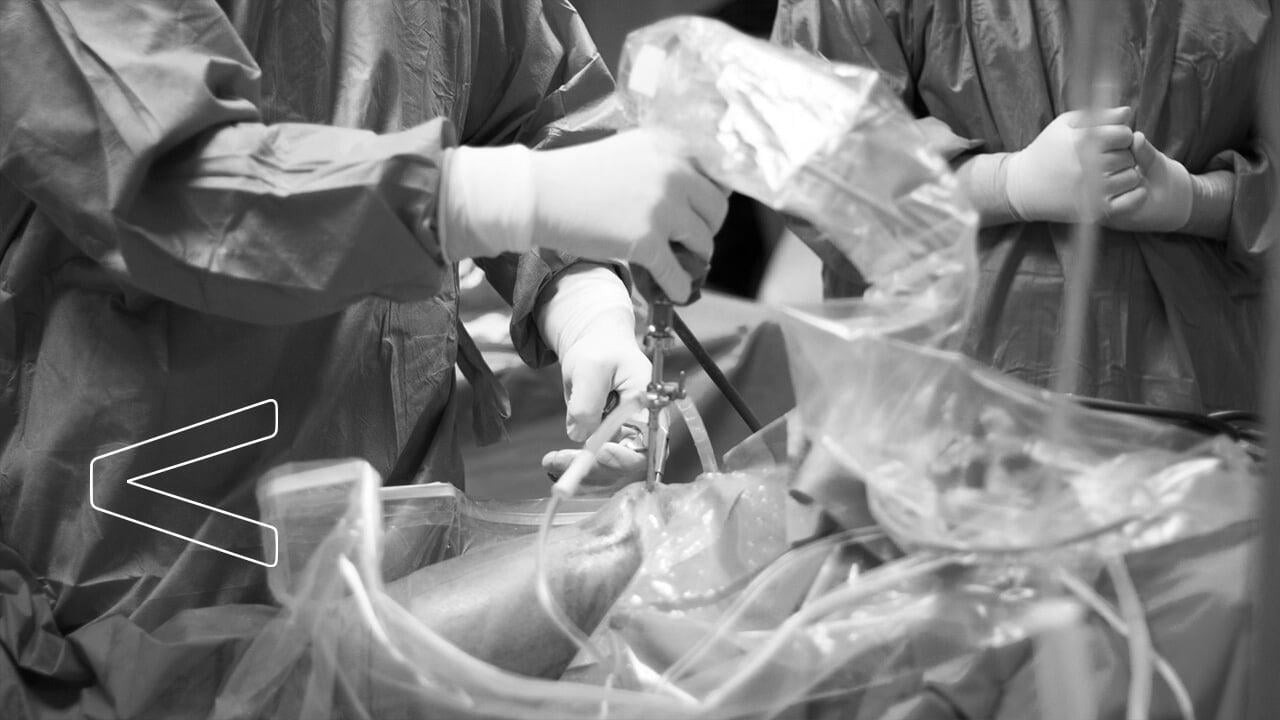
Arthroscopy (pronounced ahr-THROS-kuh-pee) is a minimally invasive surgical technique used to diagnose and treat joint problems. It involves inserting a narrow tube with a fiber-optic camera through a small incision, allowing surgeons to view the inside of a joint on a high-definition monitor without needing a large incision. This procedure has gained popularity due to its shorter recovery times, reduced scarring, and fewer complications compared to traditional open surgery.
At RxSavez, we are dedicated to providing patient-centric healthcare services, including guidance and support for arthroscopy. Our Patient Relationship Managers (PRMs) work closely with you to ensure you receive the best possible care and the most accurate information throughout your healthcare journey.
Why Arthroscopy?
Why Arthroscopy?
Arthroscopy offers several advantages over traditional surgery, making it a preferred choice for many orthopedic surgeons:
Reduced Recovery Time: Smaller incisions mean quicker recovery and less post-operative pain.
Less Scarring: The small incisions result in minimal visible scarring.
Fewer Complications: The minimally invasive nature of arthroscopy reduces the risk of complications like infection or blood loss.
Flexibility: Arthroscopy can be used to treat various joint conditions and is adaptable to different body parts.
Types of Arthroscopy
Types of Arthroscopy
Arthroscopy can be performed on several joints, including the knee, shoulder, elbow, ankle, hip, and wrist. Here's an overview of each:
Knee Arthroscopy: Used to treat conditions like torn cartilage, ligament injuries, and other knee-related issues.
Shoulder Arthroscopy: Often used for rotator cuff repairs, labral tears, and shoulder impingement.
Elbow Arthroscopy: Addresses conditions like tennis elbow and elbow contractures.
Ankle Arthroscopy: Useful for treating ligament injuries, bone spurs, and ankle instability.
Hip Arthroscopy: Treats labral tears and femoroacetabular impingement.
Wrist Arthroscopy: Often used for diagnosing wrist pain and treating carpal tunnel syndrome.
Indications for Arthroscopy
Indications for Arthroscopy
Arthroscopy is used for both diagnostic and surgical purposes, providing a versatile approach to joint issues. Some common indications for arthroscopy include:
Diagnostic Purposes: When imaging studies like X-rays or MRIs are inconclusive, arthroscopy provides a clearer view of the joint.
Surgical Procedures: Arthroscopy can address conditions such as torn cartilage, loose bone fragments, inflamed joint linings, and torn ligaments.
Risks and Complications
Risks and Complications
While arthroscopy is generally safe, like any surgical procedure, it carries some risks. These may include:
Tissue or Nerve Damage: Instruments placed within the joint can cause tissue or nerve damage.
Infection: Although rare, any invasive procedure has a risk of infection.
Blood Clots: In rare cases, prolonged procedures can increase the risk of blood clots in the legs or lungs.
At RxSavez, we prioritize patient safety and work to minimize these risks through thorough planning and patient education. Our PRMs guide you through the preparation process and ensure you're informed about what to expect.
How to Prepare for Arthroscopy
How to Prepare for Arthroscopy
Preparation for arthroscopy varies depending on which joint is being examined or repaired. Here are some general tips:
Avoid Certain Medications: Your doctor may ask you to avoid medications or supplements that increase the risk of bleeding.
Fast Beforehand: Depending on the anesthesia, you may need to avoid eating solid foods for eight hours before the procedure.
Arrange for a Ride: You won't be allowed to drive yourself home, so plan for someone to pick you up.
Choose Loose Clothing: Wear comfortable clothing, such as baggy gym shorts if you're having knee arthroscopy.
RxSavez provides detailed instructions to ensure you're adequately prepared for your arthroscopy procedure. Our PRMs are available to answer any questions and help with logistical arrangements.
Arthroscopy Process
Arthroscopy Process
The specific process for arthroscopy varies depending on the joint and the reason for the procedure. Here's a typical sequence of events:
Preparation: You'll change into a hospital gown or shorts and remove jewelry. An intravenous catheter is placed in your hand or forearm, and a mild sedative may be administered.
Anesthesia: Depending on the procedure, anesthesia could be local, regional (like a spinal block), or general (full sedation).
Positioning: You'll be positioned appropriately for the procedure. A tourniquet may be used to minimize blood loss, and sterile fluid might be injected to expand the joint for better visibility.
Procedure: The surgeon makes small incisions to insert the arthroscope and surgical instruments. They can then diagnose and repair any joint issues with precision, watching the procedure on a high-definition monitor.
Closure: After the procedure, the small incisions are closed with stitches or adhesive strips.
Post-Procedure Care and Recovery
Post-Procedure Care and Recovery
Arthroscopic surgery typically doesn't require a long hospital stay. Most patients can return home the same day or within a few hours. Here's what you can expect after the procedure:
Medications: Your doctor may prescribe pain relief and anti-inflammatory medication.
R.I.C.E. Therapy: Rest, ice, compression, and elevation help reduce swelling and pain.
Protection: Depending on the joint, you might need crutches or a sling for protection.
Exercises: Physical therapy may be recommended to strengthen muscles and restore joint function.
It's crucial to follow your doctor's post-operative instructions and report any unusual symptoms, such as fever, excessive pain, drainage from the incision, redness, swelling, or numbness.
RxSavez's PRMs are here to guide you through the recovery process and address any concerns you might have.
Results and Follow-Up
Results and Follow-Up
Arthroscopy generally has a high success rate, with most patients resuming desk work and light activities within a few days. Driving is typically possible within one to three weeks, and more strenuous activities can usually be resumed a few weeks after that.
However, every patient's recovery is different, and your surgeon will monitor your progress during follow-up visits, adjusting your rehabilitation plan as needed. At RxSavez, we offer personalized care, ensuring you receive the appropriate attention and support throughout your recovery.
Knee Arthroscopy Costs in India
Knee Arthroscopy Costs in India
India has become a popular destination for medical tourism, offering high-quality healthcare services at a fraction of the cost compared to other countries. The cost of knee arthroscopy in India varies depending on several factors, such as the type of hospital, the complexity of the procedure, and the specific city. Below is a cost guide for knee arthroscopy in various Indian cities, with ranges for public and private hospitals:
Delhi: Public hospitals cost between INR 20,000 and 50,000, while private hospitals can range from INR 60,000 to 150,000.
Mumbai: Public hospitals range from INR 25,000 to 60,000, and private hospitals from INR 70,000 to 200,000.
Bangalore: Public hospitals cost between INR 20,000 and 50,000, while private hospitals range from INR 60,000 to 150,000.
Chennai: Public hospitals are generally cheaper, costing between INR 20,000 and 45,000, while private hospitals can go from INR 50,000 to 120,000.
Kolkata: Public hospitals range from INR 15,000 to 40,000, and private hospitals from INR 50,000 to 120,000.
Hyderabad: Public hospitals are usually between INR 20,000 and 45,000, while private hospitals can range from INR 55,000 to 130,000.
Pune: Public hospitals cost between INR 15,000 and 40,000, while private hospitals are generally higher, ranging from INR 50,000 to 120,000.
Ahmedabad: Public hospitals cost between INR 15,000 and 40,000, while private hospitals can range from INR 50,000 to 120,000.
Lucknow: Public hospitals range from INR 15,000 to 35,000, while private hospitals can go from INR 45,000 to 110,000.
Jaipur: Public hospitals generally cost between INR 15,000 and 35,000, while private hospitals can range from INR 45,000 to 110,000.
These ranges provide a general idea of what to expect when considering knee arthroscopy in India. The actual cost can depend on factors such as the specific hospital, the complexity of the procedure, and additional services required. At RxSavez, we help you navigate these options to ensure you receive the best care at a price that suits your budget.
Disclaimer:
The costs represent a general estimate that includes emergency care, hospitalization, surgery, and rehabilitation.
Variability in costs depends on the type of hospital, severity of injury, length of hospital stay, and specific treatment requirements.
Public hospitals generally offer lower-cost or subsidized treatment, while private hospitals are often more expensive.
For precise estimates, consulting with healthcare providers or insurance representatives is recommended.
Regional economic differences and cost of living can impact the overall costs in each city.
Factors Affecting the Cost of Surgery
Factors Affecting the Cost of Surgery
The cost of surgery can vary widely based on several critical factors. Understanding these factors can help patients and their families anticipate and manage the financial implications of surgery. Below are the primary considerations that impact surgical costs:
1. Type of Surgery
The type of surgical procedure is a significant determinant of cost. Surgeries range from minor to complex, with more complicated procedures typically costing more due to specialized equipment, expertise, and longer operating times.
2. Severity of the Condition
Surgical costs can be influenced by the severity of the patient's condition. More severe or complicated cases often require additional resources, longer hospital stays, and intensive care, all of which increase costs.
3. Hospital or Medical Facility
Costs can differ significantly between hospitals and medical facilities. Public hospitals generally offer more affordable rates, while private hospitals tend to be more expensive due to additional amenities and services.
4. Surgeon's Expertise and Reputation
Highly skilled and renowned surgeons often command higher fees due to their expertise and experience. Surgeons with specialized training in specific procedures may charge more than general surgeons.
5. Location and Region
Geographic location plays a role in surgical costs. Surgeries in major cities or metropolitan areas tend to be more expensive due to higher overheads, cost of living, and demand for healthcare services. Costs may be lower in smaller towns or rural areas.
6. Anesthesia and Medication
The type of anesthesia used during surgery, as well as post-operative medications, can affect the overall cost. General anesthesia usually costs more than local anesthesia, and complex cases may require more extensive pain management.
7. Hospitalization and Recovery
The length of hospital stay and the level of care required during recovery impact costs. Patients who need intensive care or specialized post-operative monitoring typically incur higher expenses.
8. Additional Services
Additional services such as diagnostic tests, imaging, rehabilitation, and physical therapy can increase costs. These services are often necessary for proper diagnosis, treatment, and recovery.
9. Insurance Coverage
Insurance coverage can significantly affect out-of-pocket costs for surgery. The type of insurance plan, coverage limits, co-pays, and deductibles can determine how much of the cost is covered by insurance.
10. Unforeseen Complications
Complications during or after surgery can lead to unexpected costs. This could include additional surgeries, extended hospital stays, or specialized care to address complications.
Final Thoughts
Given the complexity of factors affecting surgical costs, it's crucial to discuss all potential costs with healthcare providers and insurance representatives beforehand. Understanding these factors helps patients and families make informed decisions and plan for the financial implications of surgery.
How RxSavez Can Help
How RxSavez Can Help
RxSavez is committed to providing a seamless healthcare experience for patients considering arthroscopy or other medical procedures. Here's how we can help:
Patient Relationship Managers (PRMs): Our PRMs are empathetic guides who assist you at every step of your healthcare journey.
Access to Top Surgeons: We connect you with leading surgeons through video consultations, ensuring you get accurate and unbiased second opinions.
Comprehensive Services: From preoperative preparation to post-operative care, we offer a complete suite of services to support your recovery.
Technology-Driven Solutions: Our platforms like RxVaultz allow you to store and manage your medical records online, while our WhatsApp-based call center ensures quick responses.
Loyalty Program: RxRewardz offers discounts on medical devices and pharmaceuticals, reducing your overall healthcare costs.
Conclusion
Conclusion
Arthroscopy is a valuable tool for diagnosing and treating joint conditions with minimal invasion, allowing patients to recover faster and with less scarring. If you're considering arthroscopy, RxSavez is here to guide you through the process. Our patient-centric approach ensures you receive the best care, with the added benefit of our 5-Point Savings system.
If you have questions about arthroscopy or any other medical procedure, don't hesitate to reach out to us. We're here to help you navigate the complex healthcare landscape and make informed decisions about your treatment options. Contact us today to learn more or book a consultation with one of our expert surgeons.