
Lumbar Puncture (Spinal Tap): Everything You Need to Know
Lumbar Puncture (Spinal Tap): Everything You Need to Know
I. Introduction
I. Introduction
A. Overview of Lumbar Puncture (Spinal Tap)
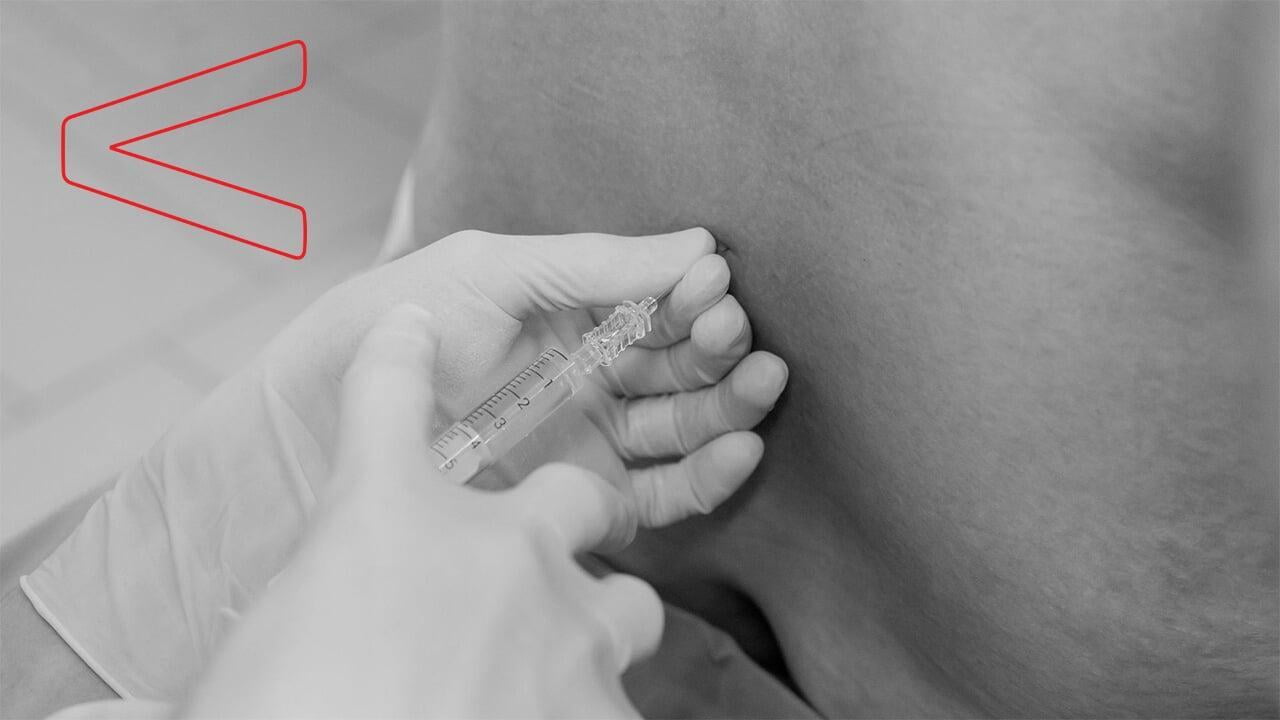
A lumbar puncture, also known as a spinal tap, is a medical procedure used to collect cerebrospinal fluid (CSF) from the spinal canal in the lumbar region of the back. This fluid surrounds the brain and spinal cord, acting as a cushion to protect these critical parts of the nervous system from injury. Lumbar punctures are performed for a variety of reasons, including diagnosing serious infections, measuring CSF pressure, and injecting medications.
Healthcare professionals commonly use lumbar punctures to diagnose conditions such as meningitis, Guillain-Barre syndrome, multiple sclerosis, and other central nervous system disorders. The procedure can also help detect bleeding around the brain, known as subarachnoid hemorrhage, and certain cancers of the brain and spinal cord.
B. Importance of Accurate Diagnosis
Lumbar puncture is essential in diagnosing conditions that affect the brain and spinal cord. An accurate diagnosis is critical for guiding appropriate treatment and care. However, given the complexity of the central nervous system and the potential risks involved, it's crucial to ensure that the procedure is performed correctly and that the results are interpreted accurately.
RxSaveZ plays a vital role in providing accurate and reliable second opinions. As an independent healthcare consulting company, RxSaveZ uses technology and AI to deliver the best surgical intervention advice. Our mission is to represent the patient's interests, not the hospital's. By seeking a second opinion through RxSaveZ, patients can ensure that their diagnosis is accurate and that they receive the best possible care.
C. Quick Overview of RxSaveZ Services
RxSaveZ is committed to supporting patients throughout their healthcare journeys. Our services are designed to make the process as smooth and stress-free as possible. We offer a range of services, including:
RxSaveZ: The core service, providing surgical second opinions and guiding patients through the healthcare system.
RxVaultz: An online healthcare and medical records service, launching in October 2024.
RxRewardz: A loyalty program offering discounts on medical devices and pharmaceuticals, launching in January 2025.
Our Patient Relationship Managers (PRMs) are empathetic professionals who guide patients through the process, ensuring they have all the information they need and helping them navigate complex medical systems.
II. Understanding Lumbar Puncture
II. Understanding Lumbar Puncture
A. Anatomy of the Lumbar Region
The lumbar region is located in the lower back and consists of five vertebrae labeled L1 through L5. These vertebrae form the structure of the lower spine, providing support and flexibility. The cerebrospinal fluid (CSF) circulates through the spinal canal, cushioning the brain and spinal cord.
During a lumbar puncture, a needle is inserted into the space between two lumbar vertebrae to access the CSF. This space is known as the subarachnoid space, and it's where the CSF flows. The collected fluid can be analyzed to determine the presence of infections, inflammatory conditions, or other abnormalities.
The lumbar region is located in the lower back and consists of five vertebrae labeled L1 through L5. These vertebrae form the structure of the lower spine, providing support and flexibility. The cerebrospinal fluid (CSF) circulates through the spinal canal, cushioning the brain and spinal cord.
During a lumbar puncture, a needle is inserted into the space between two lumbar vertebrae to access the CSF. This space is known as the subarachnoid space, and it's where the CSF flows. The collected fluid can be analyzed to determine the presence of infections, inflammatory conditions, or other abnormalities.
B. The Procedure: How It's Done
A lumbar puncture is usually performed in a hospital or outpatient facility. The procedure involves several steps to ensure accuracy and minimize discomfort:
Preparation: Before the procedure, the healthcare professional takes a detailed medical history and may order blood tests to check for bleeding or clotting disorders. Imaging scans, such as CT or MRI, are often conducted to ensure there are no space-occupying lesions or increased intracranial pressure.
Positioning: The patient is asked to lie on their side with their knees drawn up to their chest, or sit and lean forward on a stable surface. These positions help widen the spaces between the vertebrae, allowing easier needle insertion.
Local Anesthetic: A local anesthetic is injected into the lower back to numb the puncture site. This reduces discomfort during the procedure.
Needle Insertion: A thin, hollow needle is inserted into the lumbar region, passing through the dura (spinal membrane) into the spinal canal. The healthcare professional measures the CSF pressure, extracts a sample of CSF, and measures the pressure again.
Completion: The needle is removed, and the puncture site is covered with a bandage. The procedure usually takes about 45 minutes.
After the procedure, the patient is typically advised to lie down for a short period to prevent post-procedure headaches.
A lumbar puncture is usually performed in a hospital or outpatient facility. The procedure involves several steps to ensure accuracy and minimize discomfort:
Preparation: Before the procedure, the healthcare professional takes a detailed medical history and may order blood tests to check for bleeding or clotting disorders. Imaging scans, such as CT or MRI, are often conducted to ensure there are no space-occupying lesions or increased intracranial pressure.
Positioning: The patient is asked to lie on their side with their knees drawn up to their chest, or sit and lean forward on a stable surface. These positions help widen the spaces between the vertebrae, allowing easier needle insertion.
Local Anesthetic: A local anesthetic is injected into the lower back to numb the puncture site. This reduces discomfort during the procedure.
Needle Insertion: A thin, hollow needle is inserted into the lumbar region, passing through the dura (spinal membrane) into the spinal canal. The healthcare professional measures the CSF pressure, extracts a sample of CSF, and measures the pressure again.
Completion: The needle is removed, and the puncture site is covered with a bandage. The procedure usually takes about 45 minutes.
After the procedure, the patient is typically advised to lie down for a short period to prevent post-procedure headaches.
C. Uses and Applications
Lumbar punctures serve a variety of purposes, both diagnostic and therapeutic:
Diagnostic Uses: Lumbar punctures are used to diagnose conditions such as meningitis, encephalitis, multiple sclerosis, Guillain-Barre syndrome, and certain cancers of the brain and spinal cord. The analysis of CSF can reveal infections, bleeding, or inflammatory conditions.
Therapeutic Uses: In some cases, lumbar punctures are used to inject medications or anesthetics into the CSF. This can be useful for administering chemotherapy or pain relief for specific conditions.
Imaging and Specialized Applications: Lumbar punctures can also be used for imaging procedures, such as myelography, where a dye is injected into the CSF to create diagnostic images. Cisternography is another technique that uses radioactive substances to track the flow of CSF.
Lumbar punctures serve a variety of purposes, both diagnostic and therapeutic:
Diagnostic Uses: Lumbar punctures are used to diagnose conditions such as meningitis, encephalitis, multiple sclerosis, Guillain-Barre syndrome, and certain cancers of the brain and spinal cord. The analysis of CSF can reveal infections, bleeding, or inflammatory conditions.
Therapeutic Uses: In some cases, lumbar punctures are used to inject medications or anesthetics into the CSF. This can be useful for administering chemotherapy or pain relief for specific conditions.
Imaging and Specialized Applications: Lumbar punctures can also be used for imaging procedures, such as myelography, where a dye is injected into the CSF to create diagnostic images. Cisternography is another technique that uses radioactive substances to track the flow of CSF.
III. Why a Lumbar Puncture Is Needed
III. Why a Lumbar Puncture Is Needed
A. Common Conditions Diagnosed with Lumbar Puncture
Lumbar punctures are used to diagnose a wide range of conditions that affect the brain and spinal cord. Here are some of the most common conditions that may require a lumbar puncture:
Infections: Lumbar punctures can detect bacterial, viral, or fungal infections that affect the brain or spinal cord, such as meningitis or encephalitis. Early diagnosis and treatment are crucial in these cases.
Neurological Disorders: Conditions like multiple sclerosis and Guillain-Barre syndrome can be diagnosed through lumbar punctures. These disorders affect the central nervous system and often require specialized treatment.
Bleeding and Hemorrhages: Lumbar punctures can detect bleeding around the brain, known as subarachnoid hemorrhage. This condition is typically caused by a ruptured aneurysm and requires immediate medical attention.
Cancers: Certain cancers involving the brain or spinal cord can be detected through lumbar punctures. The presence of cancer cells in the CSF may indicate malignancy.
Autoimmune Neurological Conditions: Lumbar punctures can help diagnose autoimmune disorders where the immune system attacks the nervous system, such as multiple sclerosis.
Lumbar punctures are used to diagnose a wide range of conditions that affect the brain and spinal cord. Here are some of the most common conditions that may require a lumbar puncture:
Infections: Lumbar punctures can detect bacterial, viral, or fungal infections that affect the brain or spinal cord, such as meningitis or encephalitis. Early diagnosis and treatment are crucial in these cases.
Neurological Disorders: Conditions like multiple sclerosis and Guillain-Barre syndrome can be diagnosed through lumbar punctures. These disorders affect the central nervous system and often require specialized treatment.
Bleeding and Hemorrhages: Lumbar punctures can detect bleeding around the brain, known as subarachnoid hemorrhage. This condition is typically caused by a ruptured aneurysm and requires immediate medical attention.
Cancers: Certain cancers involving the brain or spinal cord can be detected through lumbar punctures. The presence of cancer cells in the CSF may indicate malignancy.
Autoimmune Neurological Conditions: Lumbar punctures can help diagnose autoimmune disorders where the immune system attacks the nervous system, such as multiple sclerosis.
B. Importance of Second Opinions
Given the critical nature of the conditions that lumbar puncture can diagnose, obtaining a second opinion is essential. RxSaveZ specializes in providing independent second opinions to ensure that diagnoses are accurate and appropriate treatment is pursued. By seeking a second opinion, you can have confidence in your diagnosis and make informed decisions about your healthcare journey.
Our Patient Relationship Managers (PRMs) are available to guide you through the process of obtaining a second opinion. They will help you understand your options, connect you with experienced healthcare professionals, and ensure that you receive the best advice for your situation.
Given the critical nature of the conditions that lumbar puncture can diagnose, obtaining a second opinion is essential. RxSaveZ specializes in providing independent second opinions to ensure that diagnoses are accurate and appropriate treatment is pursued. By seeking a second opinion, you can have confidence in your diagnosis and make informed decisions about your healthcare journey.
Our Patient Relationship Managers (PRMs) are available to guide you through the process of obtaining a second opinion. They will help you understand your options, connect you with experienced healthcare professionals, and ensure that you receive the best advice for your situation.
IV. Risks and Complications
IV. Risks and Complications
A. Common Risks and Side Effects
Although lumbar puncture is generally safe, it carries some risks and potential side effects. Here are the most common ones:
Post-Lumbar Puncture Headache: About 25% of people who undergo a lumbar puncture experience this side effect. The headache usually starts a few hours to two days after the procedure and may be accompanied by nausea, vomiting, or dizziness. The headache typically resolves when lying down and can last from a few hours to a week or more.
Back Discomfort or Pain: Some patients experience back pain or discomfort after the procedure. This pain might radiate down the back of the legs.
Bleeding: Bleeding can occur near the puncture site or in the epidural space, but this is rare.
Brainstem Herniation: This serious complication can occur if there's increased pressure within the skull due to a brain tumor or other space-occupying lesion. To prevent this risk, pre-procedure scans and detailed neurological examinations are conducted.
Although lumbar puncture is generally safe, it carries some risks and potential side effects. Here are the most common ones:
Post-Lumbar Puncture Headache: About 25% of people who undergo a lumbar puncture experience this side effect. The headache usually starts a few hours to two days after the procedure and may be accompanied by nausea, vomiting, or dizziness. The headache typically resolves when lying down and can last from a few hours to a week or more.
Back Discomfort or Pain: Some patients experience back pain or discomfort after the procedure. This pain might radiate down the back of the legs.
Bleeding: Bleeding can occur near the puncture site or in the epidural space, but this is rare.
Brainstem Herniation: This serious complication can occur if there's increased pressure within the skull due to a brain tumor or other space-occupying lesion. To prevent this risk, pre-procedure scans and detailed neurological examinations are conducted.
B. Serious Complications and Prevention
Serious complications from lumbar puncture are rare, but they require careful monitoring and prevention strategies. Brainstem herniation is the most significant risk, which is why healthcare professionals often perform CT or MRI scans to ensure it's safe to proceed with the lumbar puncture.
Patients are typically advised to rest and avoid strenuous activities after the procedure to minimize the risk of post-lumbar puncture headaches. If severe headaches persist, they should contact their healthcare professional for further guidance.
Serious complications from lumbar puncture are rare, but they require careful monitoring and prevention strategies. Brainstem herniation is the most significant risk, which is why healthcare professionals often perform CT or MRI scans to ensure it's safe to proceed with the lumbar puncture.
Patients are typically advised to rest and avoid strenuous activities after the procedure to minimize the risk of post-lumbar puncture headaches. If severe headaches persist, they should contact their healthcare professional for further guidance.
C. How RxSaveZ Helps with Risk Assessment
RxSaveZ offers comprehensive risk assessment services to ensure that patients are fully aware of the risks associated with lumbar puncture. Our Patient Relationship Managers (PRMs) guide patients through the entire process, from pre-procedure scans to post-procedure care. We prioritize patient safety and provide peace of mind by offering reliable second opinions and expert guidance.
RxSaveZ offers comprehensive risk assessment services to ensure that patients are fully aware of the risks associated with lumbar puncture. Our Patient Relationship Managers (PRMs) guide patients through the entire process, from pre-procedure scans to post-procedure care. We prioritize patient safety and provide peace of mind by offering reliable second opinions and expert guidance.
V. Preparation and Procedure Details
V. Preparation and Procedure Details
A. Before the Lumbar Puncture
Preparation for a lumbar puncture involves several key steps to ensure the procedure is safe and successful:
Medical History and Pre-Tests: Your healthcare professional will review your medical history and may order blood tests to check for bleeding or clotting disorders. Imaging scans, such as CT or MRI, are often conducted to ensure there are no space-occupying lesions or increased intracranial pressure.
Food and Medications: Follow any specific instructions from your healthcare professional regarding food, drink, and medications. If you're taking blood-thinning or anticoagulant medications, inform your healthcare professional. Also, mention any allergies, particularly to local anesthetics.
Preparation for a lumbar puncture involves several key steps to ensure the procedure is safe and successful:
Medical History and Pre-Tests: Your healthcare professional will review your medical history and may order blood tests to check for bleeding or clotting disorders. Imaging scans, such as CT or MRI, are often conducted to ensure there are no space-occupying lesions or increased intracranial pressure.
Food and Medications: Follow any specific instructions from your healthcare professional regarding food, drink, and medications. If you're taking blood-thinning or anticoagulant medications, inform your healthcare professional. Also, mention any allergies, particularly to local anesthetics.
B. The Day of the Procedure
On the day of the lumbar puncture, follow these general guidelines:
Wear Comfortable Clothing: You may be asked to change into a hospital gown, but if not, wear loose, comfortable clothing.
Positions for the Procedure: You may need to lie on your side with your knees drawn up to your chest or sit and lean forward on a stable surface. These positions help widen the spaces between vertebrae, allowing easier needle insertion.
Local Anesthetic: The healthcare professional will apply a local anesthetic to numb the puncture site. This reduces discomfort during the procedure.
On the day of the lumbar puncture, follow these general guidelines:
Wear Comfortable Clothing: You may be asked to change into a hospital gown, but if not, wear loose, comfortable clothing.
Positions for the Procedure: You may need to lie on your side with your knees drawn up to your chest or sit and lean forward on a stable surface. These positions help widen the spaces between vertebrae, allowing easier needle insertion.
Local Anesthetic: The healthcare professional will apply a local anesthetic to numb the puncture site. This reduces discomfort during the procedure.
C. After the Procedure
After the lumbar puncture, patients are typically advised to rest and avoid strenuous activities for the rest of the day. Here are some post-procedure guidelines:
Post-Procedure Rest and Recovery: Lie down and rest for a few hours after the procedure to reduce the risk of post-lumbar puncture headaches.
Pain Management: If you experience back pain or headaches, over-the-counter pain relievers containing acetaminophen (Tylenol) can help. If the pain or headaches persist, contact your healthcare professional.
How RxSaveZ PRMs Support Patients During Recovery: Our Patient Relationship Managers (PRMs) are available to answer any questions and provide guidance throughout the recovery process. They can help you understand what to expect and what to do if you experience complications.
After the lumbar puncture, patients are typically advised to rest and avoid strenuous activities for the rest of the day. Here are some post-procedure guidelines:
Post-Procedure Rest and Recovery: Lie down and rest for a few hours after the procedure to reduce the risk of post-lumbar puncture headaches.
Pain Management: If you experience back pain or headaches, over-the-counter pain relievers containing acetaminophen (Tylenol) can help. If the pain or headaches persist, contact your healthcare professional.
How RxSaveZ PRMs Support Patients During Recovery: Our Patient Relationship Managers (PRMs) are available to answer any questions and provide guidance throughout the recovery process. They can help you understand what to expect and what to do if you experience complications.
VI. Results and Interpretation
VI. Results and Interpretation
A. Understanding the Test Results
The cerebrospinal fluid collected during a lumbar puncture is sent to a laboratory for analysis. Here's what lab technicians typically look for when examining CSF:
General Appearance: Spinal fluid should be clear and colorless. If it appears orange, yellow, or pink, it may indicate bleeding. Green fluid could suggest an infection or bilirubin presence.
Protein Levels: Elevated protein levels in CSF can indicate an infection or inflammatory condition. Specific lab values may vary depending on the medical facility.
White Blood Cells: CSF usually contains up to five white blood cells per microliter. An increased count may suggest an infection or other condition.
Sugar (Glucose): Low glucose levels in CSF may indicate an infection, tumor, or another condition.
Microorganisms: The presence of bacteria, viruses, fungi, or other microorganisms can indicate an infection.
Cancer Cells: Certain cancer cells or immature blood cells in CSF can suggest malignancy.
The cerebrospinal fluid collected during a lumbar puncture is sent to a laboratory for analysis. Here's what lab technicians typically look for when examining CSF:
General Appearance: Spinal fluid should be clear and colorless. If it appears orange, yellow, or pink, it may indicate bleeding. Green fluid could suggest an infection or bilirubin presence.
Protein Levels: Elevated protein levels in CSF can indicate an infection or inflammatory condition. Specific lab values may vary depending on the medical facility.
White Blood Cells: CSF usually contains up to five white blood cells per microliter. An increased count may suggest an infection or other condition.
Sugar (Glucose): Low glucose levels in CSF may indicate an infection, tumor, or another condition.
Microorganisms: The presence of bacteria, viruses, fungi, or other microorganisms can indicate an infection.
Cancer Cells: Certain cancer cells or immature blood cells in CSF can suggest malignancy.
B. Next Steps and Follow-Up
Once the results are available, your healthcare professional will help interpret them and discuss the next steps. This might include additional tests, follow-up appointments, or changes in treatment plans.
It's crucial to ask questions and seek clarification if you have any doubts about the results or recommended next steps. You might ask:
What does this result mean?
Are additional tests needed?
What follow-up appointments or treatments are required?
Are there factors that might have affected the results?
Once the results are available, your healthcare professional will help interpret them and discuss the next steps. This might include additional tests, follow-up appointments, or changes in treatment plans.
It's crucial to ask questions and seek clarification if you have any doubts about the results or recommended next steps. You might ask:
What does this result mean?
Are additional tests needed?
What follow-up appointments or treatments are required?
Are there factors that might have affected the results?
C. Role of RxSaveZ in Result Interpretation
RxSaveZ can play a valuable role in helping patients understand their lumbar puncture results.
Our Patient Relationship Managers (PRMs) are available to discuss the results and offer guidance on the next steps. We can also facilitate second opinions, ensuring that the interpretation is accurate and that you're making informed decisions about your healthcare.
RxSaveZ can play a valuable role in helping patients understand their lumbar puncture results.
Our Patient Relationship Managers (PRMs) are available to discuss the results and offer guidance on the next steps. We can also facilitate second opinions, ensuring that the interpretation is accurate and that you're making informed decisions about your healthcare.
VII. Cost and Accessibility of Lumbar Puncture in India
VII. Cost and Accessibility of Lumbar Puncture in India
A. Lumbar Puncture Costs in Major Indian Cities
Lumbar puncture costs can vary depending on the location and medical facility. Here's an overview of the costs in seven major Indian cities:
Bangalore: The average cost is Rs. 2,000, with a starting price of Rs. 800 and a maximum price of Rs. 3,500.
Chennai: The average cost is Rs. 1,900, with a starting price of Rs. 760 and a maximum price of Rs. 3,325.
Delhi: The average cost is Rs. 2,100, with a starting price of Rs. 840 and a maximum price of Rs. 3,675.
Gurgaon: The average cost is Rs. 2,000, with a starting price of Rs. 800 and a maximum price of Rs. 3,500.
Hyderabad: The average cost is Rs. 2,000, with a starting price of Rs. 800 and a maximum price of Rs. 3,500.
Mumbai: The average cost is Rs. 2,200, with a starting price of Rs. 880 and a maximum price of Rs. 3,850.
Pune: The average cost is Rs. 2,000, with a starting price of Rs. 800 and a maximum price of Rs. 3,500.
These costs reflect the basic lumbar puncture procedure and may not include additional tests, follow-up appointments, or specialized imaging.
Disclaimer:
The costs represent a general estimate that includes emergency care, hospitalization, surgery, and rehabilitation.
Variability in costs depends on the type of hospital, severity of injury, length of hospital stay, and specific treatment requirements.
Public hospitals generally offer lower-cost or subsidized treatment, while private hospitals are often more expensive.
For precise estimates, consulting with healthcare providers or insurance representatives is recommended.
Regional economic differences and cost of living can impact the overall costs in each city.
Lumbar puncture costs can vary depending on the location and medical facility. Here's an overview of the costs in seven major Indian cities:
Bangalore: The average cost is Rs. 2,000, with a starting price of Rs. 800 and a maximum price of Rs. 3,500.
Chennai: The average cost is Rs. 1,900, with a starting price of Rs. 760 and a maximum price of Rs. 3,325.
Delhi: The average cost is Rs. 2,100, with a starting price of Rs. 840 and a maximum price of Rs. 3,675.
Gurgaon: The average cost is Rs. 2,000, with a starting price of Rs. 800 and a maximum price of Rs. 3,500.
Hyderabad: The average cost is Rs. 2,000, with a starting price of Rs. 800 and a maximum price of Rs. 3,500.
Mumbai: The average cost is Rs. 2,200, with a starting price of Rs. 880 and a maximum price of Rs. 3,850.
Pune: The average cost is Rs. 2,000, with a starting price of Rs. 800 and a maximum price of Rs. 3,500.
These costs reflect the basic lumbar puncture procedure and may not include additional tests, follow-up appointments, or specialized imaging.
Disclaimer:
The costs represent a general estimate that includes emergency care, hospitalization, surgery, and rehabilitation.
Variability in costs depends on the type of hospital, severity of injury, length of hospital stay, and specific treatment requirements.
Public hospitals generally offer lower-cost or subsidized treatment, while private hospitals are often more expensive.
For precise estimates, consulting with healthcare providers or insurance representatives is recommended.
Regional economic differences and cost of living can impact the overall costs in each city.
B. Factors Affecting the Cost of Surgery
The cost of surgery can vary widely based on several critical factors. Understanding these factors can help patients and their families anticipate and manage the financial implications of surgery.
Below are the primary considerations that impact surgical costs:
1. Type of Surgery
The type of surgical procedure is a significant determinant of cost. Surgeries range from minor to complex, with more complicated procedures typically costing more due to specialized equipment, expertise, and longer operating times.
2. Severity of the Condition
Surgical costs can be influenced by the severity of the patient's condition. More severe or complicated cases often require additional resources, longer hospital stays, and intensive care, all of which increase costs.
3. Hospital or Medical Facility
Costs can differ significantly between hospitals and medical facilities. Public hospitals generally offer more affordable rates, while private hospitals tend to be more expensive due to additional amenities and services.
4. Surgeon's Expertise and Reputation
Highly skilled and renowned surgeons often command higher fees due to their expertise and experience. Surgeons with specialized training in specific procedures may charge more than general surgeons.
5. Location and Region
Geographic location plays a role in surgical costs. Surgeries in major cities or metropolitan areas tend to be more expensive due to higher overheads, cost of living, and demand for healthcare services. Costs may be lower in smaller towns or rural areas.
6. Anesthesia and Medication
The type of anesthesia used during surgery, as well as post-operative medications, can affect the overall cost. General anesthesia usually costs more than local anesthesia, and complex cases may require more extensive pain management.
7. Hospitalization and Recovery
The length of hospital stay and the level of care required during recovery impact costs. Patients who need intensive care or specialized post-operative monitoring typically incur higher expenses.
8. Additional Services
Additional services such as diagnostic tests, imaging, rehabilitation, and physical therapy can increase costs. These services are often necessary for proper diagnosis, treatment, and recovery.
9. Insurance Coverage
Insurance coverage can significantly affect out-of-pocket costs for surgery. The type of insurance plan, coverage limits, co-pays, and deductibles can determine how much of the cost is covered by insurance.
10. Unforeseen Complications
Complications during or after surgery can lead to unexpected costs. This could include additional surgeries, extended hospital stays, or specialized care to address complications.
Final Thoughts
Given the complexity of factors affecting surgical costs, it's crucial to discuss all potential costs with healthcare providers and insurance representatives beforehand. Understanding these factors helps patients and families make informed decisions and plan for the financial implications of surgery.
The cost of surgery can vary widely based on several critical factors. Understanding these factors can help patients and their families anticipate and manage the financial implications of surgery.
Below are the primary considerations that impact surgical costs:
1. Type of Surgery
The type of surgical procedure is a significant determinant of cost. Surgeries range from minor to complex, with more complicated procedures typically costing more due to specialized equipment, expertise, and longer operating times.
2. Severity of the Condition
Surgical costs can be influenced by the severity of the patient's condition. More severe or complicated cases often require additional resources, longer hospital stays, and intensive care, all of which increase costs.
3. Hospital or Medical Facility
Costs can differ significantly between hospitals and medical facilities. Public hospitals generally offer more affordable rates, while private hospitals tend to be more expensive due to additional amenities and services.
4. Surgeon's Expertise and Reputation
Highly skilled and renowned surgeons often command higher fees due to their expertise and experience. Surgeons with specialized training in specific procedures may charge more than general surgeons.
5. Location and Region
Geographic location plays a role in surgical costs. Surgeries in major cities or metropolitan areas tend to be more expensive due to higher overheads, cost of living, and demand for healthcare services. Costs may be lower in smaller towns or rural areas.
6. Anesthesia and Medication
The type of anesthesia used during surgery, as well as post-operative medications, can affect the overall cost. General anesthesia usually costs more than local anesthesia, and complex cases may require more extensive pain management.
7. Hospitalization and Recovery
The length of hospital stay and the level of care required during recovery impact costs. Patients who need intensive care or specialized post-operative monitoring typically incur higher expenses.
8. Additional Services
Additional services such as diagnostic tests, imaging, rehabilitation, and physical therapy can increase costs. These services are often necessary for proper diagnosis, treatment, and recovery.
9. Insurance Coverage
Insurance coverage can significantly affect out-of-pocket costs for surgery. The type of insurance plan, coverage limits, co-pays, and deductibles can determine how much of the cost is covered by insurance.
10. Unforeseen Complications
Complications during or after surgery can lead to unexpected costs. This could include additional surgeries, extended hospital stays, or specialized care to address complications.
Final Thoughts
Given the complexity of factors affecting surgical costs, it's crucial to discuss all potential costs with healthcare providers and insurance representatives beforehand. Understanding these factors helps patients and families make informed decisions and plan for the financial implications of surgery.
C. How RxSaveZ Helps with Cost Management
RxSaveZ is dedicated to helping patients manage healthcare costs effectively. By leveraging partnerships and technology, RxSaveZ can offer cost-effective services without compromising quality. Our Patient Relationship Managers (PRMs) can guide you through the process of finding affordable lumbar puncture services and help you understand any additional costs that may arise.
In addition, RxSaveZ provides financial guidance and support to patients seeking lumbar puncture services. We understand that healthcare costs can be a significant concern, and our goal is to ensure that you receive the best possible care without unnecessary financial burden.
RxSaveZ is dedicated to helping patients manage healthcare costs effectively. By leveraging partnerships and technology, RxSaveZ can offer cost-effective services without compromising quality. Our Patient Relationship Managers (PRMs) can guide you through the process of finding affordable lumbar puncture services and help you understand any additional costs that may arise.
In addition, RxSaveZ provides financial guidance and support to patients seeking lumbar puncture services. We understand that healthcare costs can be a significant concern, and our goal is to ensure that you receive the best possible care without unnecessary financial burden.
VIII. Conclusion
VIII. Conclusion
A. Summary of the Benefits of Lumbar Puncture
Lumbar puncture, or spinal tap, is a valuable procedure that provides critical diagnostic information. It can help diagnose a range of conditions, from infections to neurological disorders, and guide appropriate treatment. While there are some risks associated with the procedure, they are generally manageable with proper preparation and care.
Key takeaways about lumbar puncture:
It helps diagnose a wide range of conditions affecting the brain and spinal cord.
It can be used for therapeutic purposes, such as injecting medications or anesthetics.
The procedure carries some risks, but they can be minimized with proper precautions.
Accurate interpretation of results is crucial for guiding treatment.
Lumbar puncture, or spinal tap, is a valuable procedure that provides critical diagnostic information. It can help diagnose a range of conditions, from infections to neurological disorders, and guide appropriate treatment. While there are some risks associated with the procedure, they are generally manageable with proper preparation and care.
Key takeaways about lumbar puncture:
It helps diagnose a wide range of conditions affecting the brain and spinal cord.
It can be used for therapeutic purposes, such as injecting medications or anesthetics.
The procedure carries some risks, but they can be minimized with proper precautions.
Accurate interpretation of results is crucial for guiding treatment.
B. How RxSaveZ Can Help You
RxSaveZ offers a range of services to support patients undergoing lumbar puncture and other medical procedures. Our Patient Relationship Managers (PRMs) provide personalized guidance, helping patients understand the risks, prepare for the procedure, and navigate the recovery process. RxSaveZ also offers independent second opinions to ensure accurate diagnoses and appropriate treatment plans.
If you're considering a lumbar puncture or seeking a second opinion, RxSaveZ can help you make informed decisions and find cost-effective healthcare solutions.
If you have questions about lumbar puncture or need assistance with healthcare-related matters, don't hesitate to contact RxSaveZ. Our Patient Relationship Managers are here to provide support, answer your questions, and guide you through the process. Visit the RxSaveZ website or contact our customer service team for more information and personalized assistance. We look forward to helping you navigate your healthcare journey with confidence and peace of mind.
RxSaveZ offers a range of services to support patients undergoing lumbar puncture and other medical procedures. Our Patient Relationship Managers (PRMs) provide personalized guidance, helping patients understand the risks, prepare for the procedure, and navigate the recovery process. RxSaveZ also offers independent second opinions to ensure accurate diagnoses and appropriate treatment plans.
If you're considering a lumbar puncture or seeking a second opinion, RxSaveZ can help you make informed decisions and find cost-effective healthcare solutions.
If you have questions about lumbar puncture or need assistance with healthcare-related matters, don't hesitate to contact RxSaveZ. Our Patient Relationship Managers are here to provide support, answer your questions, and guide you through the process. Visit the RxSaveZ website or contact our customer service team for more information and personalized assistance. We look forward to helping you navigate your healthcare journey with confidence and peace of mind.