
Medial Meniscus Tear: Everything You Need to Know
Medial Meniscus Tear: Everything You Need to Know
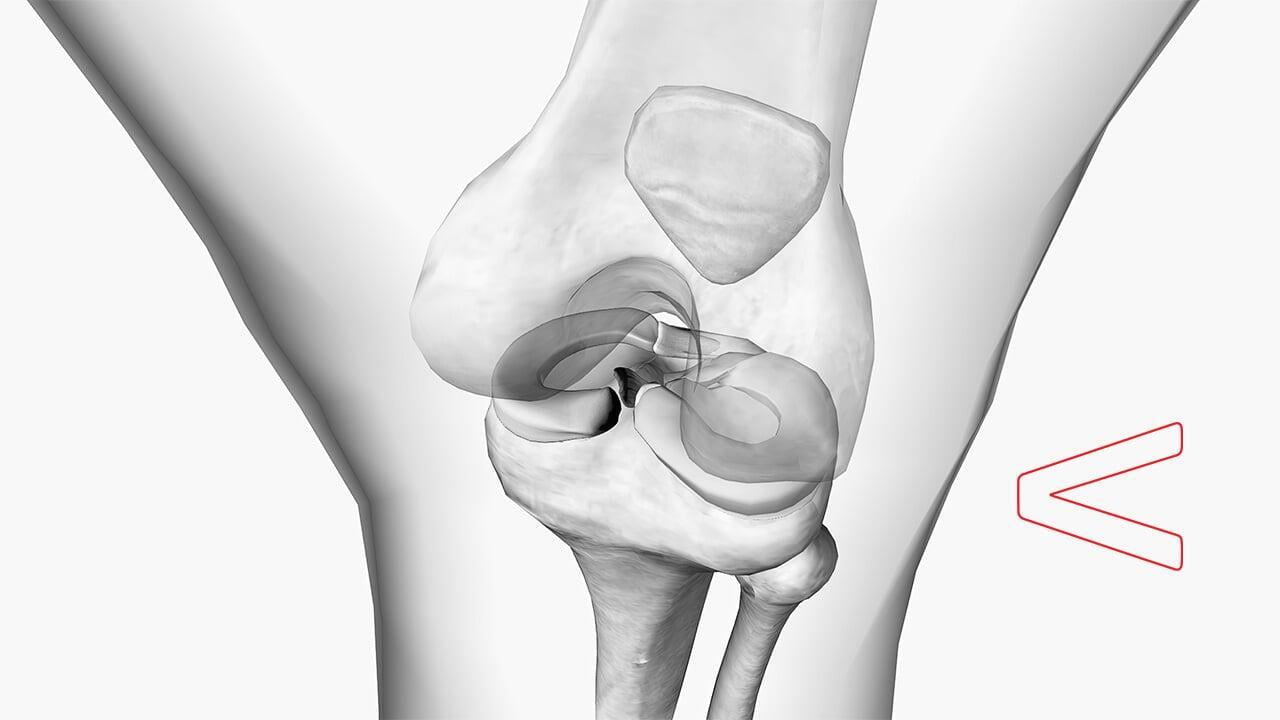
Knee injuries are common and can be painful, affecting your mobility and quality of life. Among these injuries, a medial meniscus tear is one of the most prevalent, especially among athletes and active individuals. Understanding what a medial meniscus tear is and how to treat it is crucial for a full recovery. In this comprehensive guide, we explore the causes, symptoms, diagnosis, treatment, and recovery for medial meniscus tears. We also explain how RxSaveZ can help you navigate the journey, providing second opinions, personalized guidance, and valuable support.
What Is the Medial Meniscus?
What Is the Medial Meniscus?
The medial meniscus is a crescent-shaped piece of cartilage in the knee that acts as a shock absorber. It sits between the thigh bone (femur) and the shin bone (tibia), providing stability and cushioning during movement. The meniscus helps distribute the weight across the knee joint, reducing stress and preventing damage. However, its location and function make it prone to injury, especially when there's a sudden twist or rotation of the knee.
Causes of Medial Meniscus Tears
Causes of Medial Meniscus Tears
Medial meniscus tears occur when the knee undergoes a forceful twist or rotation, often during sports activities like football, basketball, or tennis. They can also result from trauma, such as a direct blow to the knee. In addition, age-related wear and tear can weaken the cartilage, making it more susceptible to tears. Common risk factors for medial meniscus tears include:
Engaging in high-impact sports
Sudden changes in direction during physical activities
Lifting heavy objects improperly
Degenerative conditions affecting the knee
Symptoms of Medial Meniscus Tears
Symptoms of Medial Meniscus Tears
Medial meniscus tears can cause a range of symptoms, from mild discomfort to severe pain. If you experience any of the following, it's essential to seek medical attention promptly:
Pain: Sharp or aching pain along the inner side of the knee
Swelling: Swelling around the knee joint, indicating inflammation
Limited Movement: Difficulty bending or straightening the knee
Popping Sound: A noticeable pop at the time of injury
Locking or Catching: The knee may lock or catch during movement
At RxSaveZ, we understand that these symptoms can be alarming. Our patient relationship managers (PRMs) are available 24/7 on WhatsApp to answer your questions and guide you to the right specialist for a proper diagnosis.
Why Seek Medical Attention?
Why Seek Medical Attention?
Ignoring the symptoms of a medial meniscus tear can lead to serious complications. Delaying treatment increases the risk of severe pain, further damage to the knee, and osteoarthritis. Early diagnosis and intervention are key to a successful recovery. RxSaveZ offers a second opinion service that allows you to consult with experienced orthopedic surgeons without the need for travel. Our AI-driven platform helps you connect with the right specialists, ensuring you receive accurate and unbiased advice.
Diagnosing Medial Meniscus Tears
Diagnosing Medial Meniscus Tears
A medial meniscus tear is usually diagnosed through a physical examination and imaging tests. Your doctor may perform a range of motion tests and other physical assessments to evaluate the knee's condition. To understand the extent of the damage, additional tests may be required, such as:
X-Ray: To check for bone fractures or other structural issues
MRI: To visualize the soft tissues and assess the severity of the tear
Arthroscopy: A minimally invasive procedure in which a tiny camera is inserted into the knee to examine the cartilage
RxSaveZ facilitates these diagnostic processes by connecting you with reputable orthopedic specialists who can accurately assess your condition. We also help you organize and manage your medical records through our RxVaultz service, ensuring you have all the information you need at your fingertips.
Treatment Options for Medial Meniscus Tears
Treatment Options for Medial Meniscus Tears
The treatment for a medial meniscus tear depends on the size, location, and severity of the tear. For minor tears (Grade 1 or 2), non-surgical options like rest, physiotherapy, and pain medication may be sufficient. However, more severe tears (Grade 3) often require surgical intervention.
Here are some common treatment approaches:
Rest: Allowing the knee to heal naturally by avoiding strenuous activities
Physiotherapy: Exercises to strengthen the knee and improve flexibility
Pain Medication: Nonsteroidal anti-inflammatory drugs (NSAIDs) to reduce pain and inflammation
RxSaveZ offers personalized treatment guidance, helping you understand the best options for your specific condition. We connect you with specialists who can recommend the most effective treatment plan, ensuring you receive the care you need.
Medial Meniscus Tear Surgery: Types and Procedures
Medial Meniscus Tear Surgery: Types and Procedures
When non-surgical treatments are insufficient, surgical intervention may be necessary. There are three main types of surgery for medial meniscus tears: arthroscopic repair, arthroscopic partial/total meniscectomy, and open surgery. Each has its own procedure, recovery time, and risks. Let's explore these options in detail.
Arthroscopic Repair
Arthroscopic Repair
Arthroscopic repair, also known as keyhole surgery, is a minimally invasive procedure to stitch together a torn meniscus. It typically takes under an hour and involves the following steps:
Anesthesia: The patient receives local anesthesia to numb the knee area
Incisions: Small incisions are made to insert a tiny camera and surgical instruments
Repair: The torn meniscus is stitched using specialized tools
Closure: The incisions are closed with tape or sutures, and the patient is taken to the recovery room
RxSaveZ helps you prepare for arthroscopic repair by coordinating consultations with experienced surgeons. Our PRMs guide you through each step, ensuring you understand the procedure and recovery process.
Arthroscopic Partial/Total Meniscectomy
Arthroscopic Partial/Total Meniscectomy
If the meniscus is too damaged to be stitched, a partial or total meniscectomy may be necessary. This procedure involves removing part or all of the damaged cartilage. The flow of the procedure is similar to arthroscopic repair:
Anesthesia: Local anesthesia is administered
Incisions: Small incisions are made to insert the camera and surgical tools
Removal: The damaged part of the meniscus is trimmed (partial meniscectomy) or removed completely (total meniscectomy)
Closure: The incisions are closed, and the patient is taken to the recovery room
RxSaveZ supports you throughout this process, helping you choose the best surgical option and ensuring you have access to reputable surgeons. Our PRMs also assist with post-surgery care, providing dietary advice and recovery tips.
Open Surgery
Open Surgery
Open surgery is a more invasive procedure used when a large incision is needed to repair or remove the meniscus. This approach is typically reserved for complex cases. The flow of the procedure involves:
Anesthesia: General anesthesia is administered
Incision: A large incision is made to access the knee joint
Repair/Removal: The damaged cartilage is repaired or removed
Closure: The incision is sutured, and the patient is taken to the recovery room
RxSaveZ helps you weigh the benefits and risks of open surgery, guiding you through the decision-making process and ensuring you have the right support system in place for recovery.
Recovery After Medial Meniscus Tear Surgery
Recovery After Medial Meniscus Tear Surgery
The recovery time after surgery depends on the type of procedure and the extent of the repair. Here's what you can expect for each type of surgery:
Arthroscopic Repair: Typically involves a 1-day hospital stay with mild pain. Patients can resume normal activities after 2-3 weeks and experience complete recovery in about 6 weeks.
Arthroscopic Partial/Total Meniscectomy: Similar recovery time, with a 1-day hospital stay and complete recovery within 3 months.
Open Surgery: Requires a longer recovery period, with a 2-3 day hospital stay and complete recovery taking 3-6 months.
RxSaveZ plays a critical role in your recovery journey. Our PRMs offer personalized advice on using ice packs, performing prescribed exercises, and maintaining a healthy diet with lean proteins, green leafy vegetables, and citrus fruits. We are committed to making your recovery as smooth as possible, providing ongoing support and guidance.
Risks and Complications of Medial Meniscus Tear Surgery
Risks and Complications of Medial Meniscus Tear Surgery
While surgical procedures are generally safe, there are risks and complications associated with medial meniscus tear surgery. These can include:
Numbness: Temporary or permanent loss of sensation around the knee
Infection: Infection at the incision site
Blood Clots: Formation of blood clots in the leg
Injury to Nerves: Damage to nerves in and around the knee
Pain: Persistent pain after surgery
RxSaveZ helps you understand these risks and take steps to mitigate them. Our PRMs work with you to identify potential complications early and connect you with the appropriate medical professionals if needed.
Medial Meniscus Tear Surgery Costs in India
Medial Meniscus Tear Surgery Costs in India
The cost of medial meniscus tear surgery in India varies based on several factors, including location, surgeon experience, and type of procedure. Here's an overview of typical costs in different Indian cities:
Bangalore: ₹75,000
Hyderabad: ₹1,50,000
NCR: ₹90,000
Jaipur: ₹45,000
Chandigarh: ₹1,25,000
RxSaveZ provides cost-effective solutions by helping you find the right hospital and surgeon without unnecessary expenses. We also offer a loyalty program through our RxRewardz service, enabling you to earn discounts on medical devices and pharmaceutical products, reducing your overall healthcare costs.
Disclaimer:
The costs represent a general estimate that includes emergency care, hospitalization, surgery, and rehabilitation.
Variability in costs depends on the type of hospital, severity of injury, length of hospital stay, and specific treatment requirements.
Public hospitals generally offer lower-cost or subsidized treatment, while private hospitals are often more expensive.
For precise estimates, consulting with healthcare providers or insurance representatives is recommended.
Regional economic differences and cost of living can impact the overall costs in each city.
Factors Affecting the Cost of Surgery
Factors Affecting the Cost of Surgery
The cost of surgery can vary widely based on several critical factors. Understanding these factors can help patients and their families anticipate and manage the financial implications of surgery. Below are the primary considerations that impact surgical costs:
1. Type of Surgery
The type of surgical procedure is a significant determinant of cost. Surgeries range from minor to complex, with more complicated procedures typically costing more due to specialized equipment, expertise, and longer operating times.
2. Severity of the Condition
Surgical costs can be influenced by the severity of the patient's condition. More severe or complicated cases often require additional resources, longer hospital stays, and intensive care, all of which increase costs.
3. Hospital or Medical Facility
Costs can differ significantly between hospitals and medical facilities. Public hospitals generally offer more affordable rates, while private hospitals tend to be more expensive due to additional amenities and services.
4. Surgeon's Expertise and Reputation
Highly skilled and renowned surgeons often command higher fees due to their expertise and experience. Surgeons with specialized training in specific procedures may charge more than general surgeons.
5. Location and Region
Geographic location plays a role in surgical costs. Surgeries in major cities or metropolitan areas tend to be more expensive due to higher overheads, cost of living, and demand for healthcare services. Costs may be lower in smaller towns or rural areas.
6. Anesthesia and Medication
The type of anesthesia used during surgery, as well as post-operative medications, can affect the overall cost. General anesthesia usually costs more than local anesthesia, and complex cases may require more extensive pain management.
7. Hospitalization and Recovery
The length of hospital stay and the level of care required during recovery impact costs. Patients who need intensive care or specialized post-operative monitoring typically incur higher expenses.
8. Additional Services
Additional services such as diagnostic tests, imaging, rehabilitation, and physical therapy can increase costs. These services are often necessary for proper diagnosis, treatment, and recovery.
9. Insurance Coverage
Insurance coverage can significantly affect out-of-pocket costs for surgery. The type of insurance plan, coverage limits, co-pays, and deductibles can determine how much of the cost is covered by insurance.
10. Unforeseen Complications
Complications during or after surgery can lead to unexpected costs. This could include additional surgeries, extended hospital stays, or specialized care to address complications.
Final Thoughts
Given the complexity of factors affecting surgical costs, it's crucial to discuss all potential costs with healthcare providers and insurance representatives beforehand. Understanding these factors helps patients and families make informed decisions and plan for the financial implications of surgery.
Key Considerations Before Medial Meniscus Tear Surgery
Key Considerations Before Medial Meniscus Tear Surgery
Before deciding on surgery, there are several important factors to consider:
Consult with Qualified Surgeons: Get a second opinion from experienced orthopedic surgeons to ensure surgery is the best option for you.
Understand the Recovery Process: Know what the recovery process will involve, including physical therapy and dietary restrictions.
Consider the Type of Implant: Different implants are available, and the best choice depends on your individual needs. Discuss this with your surgeon.
Be Aware of Risks: Understand the risks associated with surgery and how to mitigate them.
Prepare for Financial Costs: Surgery can be expensive, so make sure you understand the costs and have a plan for covering them.
RxSaveZ is your trusted partner in navigating these considerations. We offer personalized guidance and support to help you make informed decisions about your healthcare journey.
Why RxSaveZ for Medial Meniscus Tear Surgery?
Why RxSaveZ for Medial Meniscus Tear Surgery?
Choosing RxSaveZ means choosing a partner that puts you first. Our unique services offer several key benefits:
Second Opinion: Get expert advice from top orthopedic surgeons without traveling. Our AI-driven platform connects you with specialists for personalized consultations.
Cost Savings: Save on surgical costs with our 5-point savings approach, which reduces expenses and ensures you get the best value.
Empathetic Support: Our PRMs are available 24/7 to answer your questions and guide you through every step of the process.
Seamless Coordination: We handle the logistics, from consultations to surgery arrangements, so you can focus on your recovery.
Loyalty Rewards: Earn discounts on medical devices and pharmaceutical products through our RxRewardz program, reducing your overall healthcare costs.
Conclusion
Conclusion
A medial meniscus tear can be a challenging injury, but with the right information and support, you can make a full recovery. By understanding the causes, symptoms, diagnosis, treatment, and recovery process, you're better equipped to make informed decisions. RxSaveZ is here to guide you through every step, providing second opinions, cost-effective solutions, and compassionate support. If you're experiencing symptoms of a medial meniscus tear, don't hesitate to reach out to RxSaveZ for expert advice and personalized care.