
Understanding Posterior Cruciate Ligament (PCL) Surgery
Understanding Posterior Cruciate Ligament (PCL) Surgery
Introduction
Introduction
The Posterior Cruciate Ligament (PCL) is one of the key stabilizing ligaments in the knee. It plays a critical role in maintaining the knee's structural integrity, controlling backward motion, and providing overall stability. When a PCL tear occurs, it can lead to significant pain, swelling, and instability. In severe cases, surgical intervention is required to restore proper knee function. This comprehensive guide explores the causes, symptoms, diagnosis, and treatment of PCL injuries, with a focus on surgical options, recovery, and associated costs.
Anatomy of the Knee and PCL
Anatomy of the Knee and PCL
The knee is a complex joint comprising bones, ligaments, tendons, and cartilage. It allows for a wide range of motion, including flexion, extension, and slight rotation. Four major ligaments are responsible for stabilizing the knee: the medial collateral ligament (MCL), lateral collateral ligament (LCL), anterior cruciate ligament (ACL), and posterior cruciate ligament (PCL).
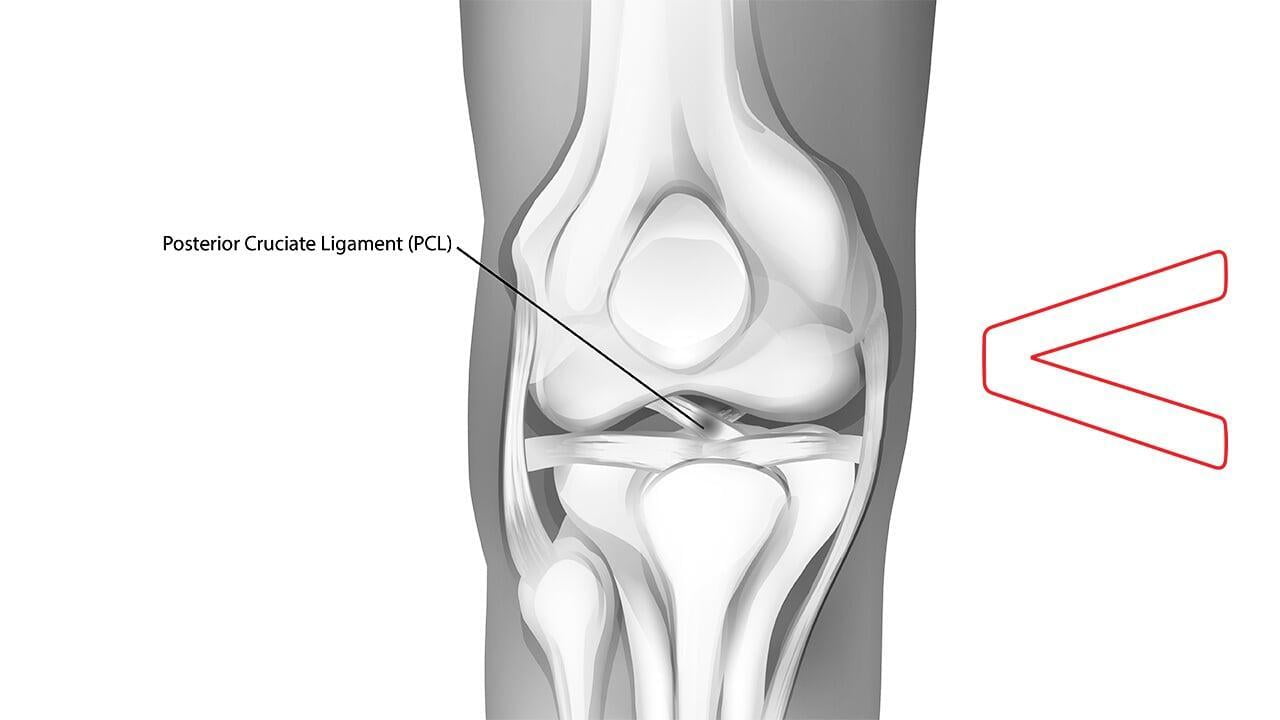
The PCL is located at the back of the knee, connecting the femur (thigh bone) to the tibia (shin bone). It prevents the tibia from moving too far backward relative to the femur. The PCL's unique position and function make it less prone to injury compared to the ACL; however, when it does get injured, it can have a significant impact on knee stability.
Causes of PCL Tears
Causes of PCL Tears
PCL tears are relatively rare compared to ACL injuries, primarily due to the ligament's strength and position. However, they can occur under certain circumstances. The most common causes of PCL tears include:
Direct impact: A forceful blow to a bent knee, such as in a car accident or a sports-related injury, can cause the PCL to tear. This is often referred to as a "dashboard injury," where the knee hits the dashboard during a collision.
Sports injuries: High-impact sports like football, soccer, basketball, and skiing can lead to PCL tears, especially when there's a sudden change in direction or a hard fall.
Hyperextension: Overextending the knee beyond its normal range of motion can cause the PCL to stretch or tear.
Understanding the cause of a PCL tear is crucial for proper diagnosis and treatment planning.
Symptoms of a PCL Tear
Symptoms of a PCL Tear
A PCL tear can manifest with various symptoms, ranging from mild discomfort to severe pain and instability. Here are the most common symptoms associated with a PCL tear:
Knee pain: This can range from mild to severe, depending on the extent of the tear.
Swelling and inflammation: The knee may become swollen and tender to the touch.
Instability: A feeling of wobbliness or instability when walking or standing.
Reduced mobility: Difficulty bending or straightening the knee.
If you experience any of these symptoms, it's essential to seek medical attention promptly. Ignoring a PCL tear can lead to complications and long-term issues like osteoarthritis.
Diagnosing a PCL Tear
Diagnosing a PCL Tear
Diagnosing a PCL tear involves a thorough physical examination and imaging tests to determine the extent of the injury. The diagnostic process typically includes:
Physical examination: A healthcare professional will assess the knee's stability by manipulating it in various ways to detect signs of a PCL tear. This includes the "posterior drawer test," where the tibia is pushed backward to assess stability.
X-ray: Although X-rays do not directly show ligament injuries, they can reveal other signs, such as an avulsion fracture, where a piece of bone is torn off by the ligament during injury.
MRI scan: Magnetic resonance imaging (MRI) provides detailed images of soft tissues, including ligaments, allowing for a clearer view of the PCL and any associated injuries.
These diagnostic tools help healthcare professionals determine the severity of the PCL tear and guide treatment decisions.
Treatment Options for PCL Tears
Treatment Options for PCL Tears
Treatment for PCL tears depends on the severity of the injury, the patient's activity level, and whether other ligaments are also damaged. There are two primary treatment approaches: non-surgical and surgical.
Non-Surgical Treatment
Non-Surgical Treatment
For Grade 1 and 2 PCL tears, where the ligament is partially torn, non-surgical treatment may be sufficient. The "RICE" method is commonly recommended:
Rest: Limiting weight-bearing activities to allow the ligament to heal.
Ice: Applying ice packs to reduce swelling and pain.
Compression: Using a knee brace or compression bandage to provide support.
Elevation: Keeping the knee elevated to reduce swelling.
In addition to the RICE method, pain medication and physical therapy may be prescribed to help restore knee function and strength. A knee brace or crutch may also be used to support the knee during recovery.
Surgical Treatment
Surgical Treatment
Surgery is typically required for Grade 3 or 4 PCL tears, where the ligament is completely torn or when other ligaments are also damaged. The primary goal of surgery is to reconstruct the PCL using tissue grafts. There are two common surgical approaches: arthroscopic surgery and open surgery.
Arthroscopic PCL Surgery
Arthroscopic PCL Surgery
Arthroscopic surgery, also known as "keyhole surgery," is a minimally invasive procedure to repair the PCL. It involves the following steps:
Anaesthesia: The patient is given general or spinal anaesthesia to ensure comfort during the procedure.
Incisions: Small incisions are made in the knee to insert an arthroscope (a tiny camera) and surgical instruments.
Camera guidance: The arthroscope transmits live video to a screen, allowing the surgeon to navigate and perform the surgery with precision.
Graft insertion: The surgeon uses tissue grafts from the patient or a donor to replace the torn ligament.
Closure: After the repair, the incisions are closed with sutures or adhesive strips, and the patient is taken to the recovery room.
Arthroscopic surgery has the advantage of shorter recovery times and less postoperative discomfort compared to open surgery.
Open PCL Surgery
Open PCL Surgery
Open surgery involves a larger incision and is used when more extensive reconstruction is required or when other ligaments need repair. The procedure follows these steps:
Anaesthesia: The patient is given general anaesthesia.
Large incision: A larger incision is made in the knee to access the damaged ligament.
Repair/replacement: The torn ligament is repaired or replaced with a tissue graft.
Closure: The incision is sutured, and the patient is taken to the recovery room.
Open surgery may have a longer recovery time compared to arthroscopic surgery, but it may be necessary for more complex cases.
Recovery and Rehabilitation
Recovery and Rehabilitation
Recovery from PCL surgery varies based on the type of procedure, the severity of the injury, and individual factors. Here's what to expect during the recovery process:
Hospital stay: Arthroscopic surgery typically requires a 1-day hospital stay, while open surgery may require 2-3 days.
Pain management: Pain medication and ice packs are used to manage postoperative pain and swelling.
Return to normal routine: Most patients can resume light activities within 2-3 weeks, with a gradual increase in activity over time.
Physical therapy: Rehabilitation is a critical part of recovery, focusing on regaining knee strength and mobility. The therapy sessions usually start 1-4 weeks after surgery.
Full recovery: Complete recovery can take 6-12 months, especially for more severe injuries.
Dietary Recommendations
Dietary Recommendations
A healthy diet plays a crucial role in the recovery process. Here are some dietary recommendations to support healing:
Lean proteins: Include sources like chicken, fish, and lentils to promote tissue repair.
Green leafy vegetables: Rich in vitamins and minerals that aid recovery.
Citrus fruits: Provide vitamin C, which is essential for collagen production and healing.
Maintaining a balanced diet helps ensure a smoother recovery process.
Risks and Complications of PCL Surgery
Risks and Complications of PCL Surgery
Although PCL surgery is generally safe, there are some risks and complications to be aware of:
Numbness: Temporary or permanent loss of sensation around the incision site.
Infection: A risk with any surgical procedure, requiring antibiotics and careful wound care.
Blood clots: Clots can form in the legs, leading to complications like deep vein thrombosis (DVT).
Nerve injury: Damage to nerves in or around the knee during surgery.
Reaction to anesthesia: Some patients may have adverse reactions to anesthesia.
To minimize these risks, it's important to follow the surgeon's instructions and attend follow-up appointments for monitoring and care.
Cost of PCL Surgery in India
Cost of PCL Surgery in India
The cost of PCL surgery in India varies depending on factors such as the type of surgery, location, surgeon's expertise, and additional post-operative care. Here's a general breakdown of the costs:
Starting Cost: Rs. 2,07,000 (2500 USD)
Average Cost: Rs. 3,32,000 (4000 USD)
Maximum Cost: Rs. 4,00,000 (4800 USD)
The cost may vary based on the city and other factors. Here's a list of starting prices in different cities:
Delhi: Rs. 2,07,000 (3000 USD)
Gurgaon: Rs. 1,80,000 (2160 USD)
Noida: Rs. 1,50,000 (1800 USD)
Mumbai: Rs. 2,07,000 (3000 USD)
Hyderabad: Rs. 1,50,000 (1800 USD)
Chennai: Rs. 1,80,000 (2160 USD)
Kolkata: Rs. 1,80,000 (2160 USD)
Bangalore: Rs. 2,07,000 (3000 USD)
Keep in mind that these costs are estimates, and the final cost may vary based on individual circumstances.
Disclaimer:
The costs represent a general estimate that includes emergency care, hospitalization, surgery, and rehabilitation.
Variability in costs depends on the type of hospital, severity of injury, length of hospital stay, and specific treatment requirements.
Public hospitals generally offer lower-cost or subsidized treatment, while private hospitals are often more expensive.
For precise estimates, consulting with healthcare providers or insurance representatives is recommended.
Regional economic differences and cost of living can impact the overall costs in each city.
Factors Affecting the Cost of Surgery
Factors Affecting the Cost of Surgery
The cost of surgery can vary widely based on several critical factors. Understanding these factors can help patients and their families anticipate and manage the financial implications of surgery. Below are the primary considerations that impact surgical costs:
1. Type of Surgery
The type of surgical procedure is a significant determinant of cost. Surgeries range from minor to complex, with more complicated procedures typically costing more due to specialized equipment, expertise, and longer operating times.
2. Severity of the Condition
Surgical costs can be influenced by the severity of the patient's condition. More severe or complicated cases often require additional resources, longer hospital stays, and intensive care, all of which increase costs.
3. Hospital or Medical Facility
Costs can differ significantly between hospitals and medical facilities. Public hospitals generally offer more affordable rates, while private hospitals tend to be more expensive due to additional amenities and services.
4. Surgeon's Expertise and Reputation
Highly skilled and renowned surgeons often command higher fees due to their expertise and experience. Surgeons with specialized training in specific procedures may charge more than general surgeons.
5. Location and Region
Geographic location plays a role in surgical costs. Surgeries in major cities or metropolitan areas tend to be more expensive due to higher overheads, cost of living, and demand for healthcare services. Costs may be lower in smaller towns or rural areas.
6. Anesthesia and Medication
The type of anesthesia used during surgery, as well as post-operative medications, can affect the overall cost. General anesthesia usually costs more than local anesthesia, and complex cases may require more extensive pain management.
7. Hospitalization and Recovery
The length of hospital stay and the level of care required during recovery impact costs. Patients who need intensive care or specialized post-operative monitoring typically incur higher expenses.
8. Additional Services
Additional services such as diagnostic tests, imaging, rehabilitation, and physical therapy can increase costs. These services are often necessary for proper diagnosis, treatment, and recovery.
9. Insurance Coverage
Insurance coverage can significantly affect out-of-pocket costs for surgery. The type of insurance plan, coverage limits, co-pays, and deductibles can determine how much of the cost is covered by insurance.
10. Unforeseen Complications
Complications during or after surgery can lead to unexpected costs. This could include additional surgeries, extended hospital stays, or specialized care to address complications.
Final Thoughts
Given the complexity of factors affecting surgical costs, it's crucial to discuss all potential costs with healthcare providers and insurance representatives beforehand. Understanding these factors helps patients and families make informed decisions and plan for the financial implications of surgery.
Conclusion
Conclusion
PCL injuries can be painful and disruptive, but with proper diagnosis, treatment, and rehabilitation, most patients can recover and return to normal activities. If you suspect a PCL injury, it's essential to seek medical advice and consider all treatment options, including surgery if necessary.
At RxSaveZ, we understand the importance of receiving accurate and unbiased medical advice. Our platform offers a range of services, including surgical second opinions and personalized care. If you're experiencing knee pain or instability, don't hesitate to contact us for expert guidance. Our empathetic Patient Relationship Managers (PRMs) are available via WhatsApp to assist you throughout your healthcare journey. Contact us today for more information and let us help you find the best path to recovery.