
Total Hip Replacement Surgery: A Comprehensive Guide
Total Hip Replacement Surgery: A Comprehensive Guide
1. Introduction to Total Hip Replacement Surgery
1. Introduction to Total Hip Replacement Surgery
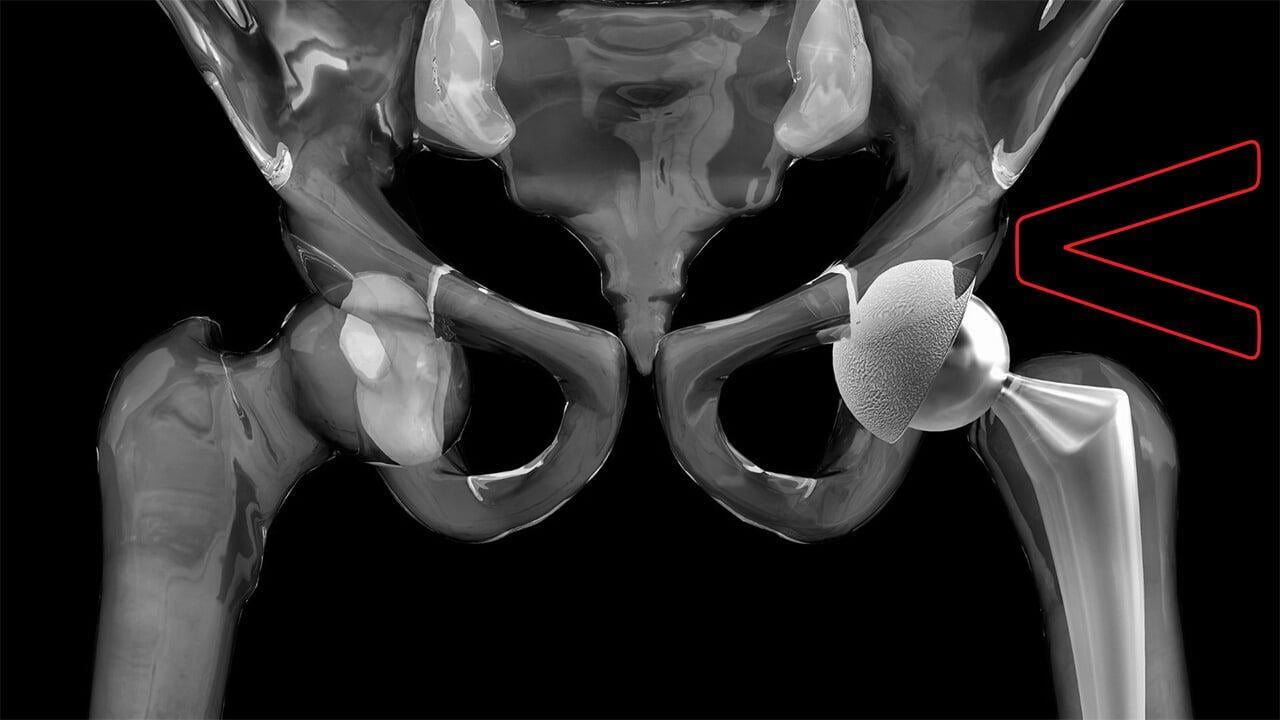
Total Hip Replacement Surgery, also known as Total Hip Arthroplasty, is a surgical procedure designed to replace a damaged or painful hip joint with artificial components. It is often the recommended treatment for individuals who suffer from severe hip pain and mobility restrictions, typically caused by conditions such as osteoarthritis, rheumatoid arthritis, or traumatic arthritis due to injury.
The goal of this surgery is to alleviate pain, restore hip function, and improve the patient's quality of life. In this comprehensive guide, we'll explore the key aspects of Total Hip Replacement Surgery, including its causes, symptoms, diagnosis, treatment options, the surgical procedure itself, recovery, and cost considerations.
2. Symptoms and When to Consult a Doctor
2. Symptoms and When to Consult a Doctor
Hip damage can manifest in various ways, leading to significant discomfort and impacting daily activities. If you experience any of the following symptoms, it may be time to consult a healthcare professional:
Mild to severe pain in the hip, which may increase with activity
Difficulty walking, bending, or performing routine tasks like putting on socks or shoes
Persistent pain despite medication
Limited range of motion in the hip joint
Ignoring these symptoms can lead to worsening arthritis, increased pain, and further complications. If pain persists despite conservative treatments like medication, exercise, or weight loss, seeking medical advice is crucial to determine the best course of action.
3. Diagnostic Process for Hip Damage
3. Diagnostic Process for Hip Damage
A thorough diagnosis is essential to understand the extent of hip damage and determine whether Total Hip Replacement Surgery is necessary. Healthcare providers use various diagnostic tools to assess the condition of the hip, including:
Physical Examination: The doctor will examine the hip joint, assessing pain, range of motion, and overall function.
X-rays: These images reveal bone structure and can indicate signs of arthritis or joint degeneration.
Other Imaging Tests: Magnetic resonance imaging (MRI) and computed tomography (CT) scans provide detailed images to help identify soft tissue damage or other abnormalities.
Based on the diagnostic results, the doctor can recommend appropriate treatment options, whether surgical or non-surgical.
4. Treatment Options for Damaged Hip
4. Treatment Options for Damaged Hip
Treatment for a damaged hip depends on the severity of the condition and the patient's overall health. Non-surgical treatments may be recommended initially, and surgery is considered when other methods do not provide relief.
Non-Surgical Treatments
For mild to moderate hip damage, doctors may suggest:
Medication: Pain relievers and anti-inflammatory drugs to manage pain and reduce inflammation.
Injections: Corticosteroid injections can help reduce pain and stiffness in the hip joint.
Exercise and Yoga: Regular exercise and yoga can improve flexibility and strengthen the muscles surrounding the hip.
Stretching: Targeted stretching exercises can relieve stiffness and improve mobility.
Heat and Cold Compresses: Applying heat or cold can help reduce pain and inflammation.
When Total Hip Replacement Surgery is Needed
When non-surgical treatments are no longer effective, and the patient's quality of life is significantly impacted, Total Hip Replacement Surgery may be the best option. This surgery involves replacing the damaged parts of the hip with artificial components to restore function and alleviate pain.
5. Total Hip Replacement Surgery: The Procedure
5. Total Hip Replacement Surgery: The Procedure
There are two main types of Total Hip Replacement Surgery: minimally invasive and traditional. Let's explore each in detail.
Minimally Invasive Total Hip Replacement
Minimally invasive surgery uses smaller incisions, resulting in reduced blood loss, less scarring, and potentially quicker recovery times. Here's how the procedure typically unfolds:
Anesthesia: The patient receives spinal or general anesthesia to ensure they are pain-free during the procedure.
Incisions: Small incisions are made in the hip area.
Surgical Instruments: A tiny camera is inserted into the incision, providing a clear view of the surgical area.
Replacement: The damaged ball part of the hip joint is cut, and an artificial joint is attached.
Closure: The muscles are reattached, and the incisions are closed.
Minimally invasive surgery often leads to a shorter hospital stay, quicker recovery, and less pain after surgery. However, it may not be suitable for everyone, and the surgeon will determine the best approach based on the patient's condition.
Recovery Time and Dietary Advice
Patients typically stay in the hospital for 4-6 days, with mild pain after surgery. They can resume normal activities within 2-3 weeks and achieve full recovery within 6-12 months. Regular exercise from the day after surgery is crucial for faster healing.
A balanced diet is recommended, including healthy fats, protein, iron, and probiotics (like yogurt or curd). This helps support the healing process and provides the necessary nutrients for recovery.
Risks Involved in Minimally Invasive THR
While minimally invasive THR has benefits, it carries some risks, including:
Infections at the incision sites
Bleeding
Severe breathing problems
Numbness or nerve damage
Dislocation of the hip joint after surgery
Traditional Hip Replacement Surgery
Traditional hip replacement involves a larger incision and is generally used when minimally invasive surgery isn't suitable. Here's the typical process:
Anesthesia: General anesthesia is administered to the patient.
Incision: A large incision is made in the hip area.
Replacement: The damaged ball part of the hip joint is removed, and an artificial joint is attached.
Closure: The muscles are reattached, and the incisions are closed.
Traditional surgery might require a longer hospital stay and recovery time compared to minimally invasive surgery, but it can be necessary in more complex cases.
Recovery Time and Dietary Advice
Patients may need to stay in the hospital for 1-2 weeks after traditional surgery. Recovery and healing follow similar timelines, with mild pain expected after the procedure. Regular exercise and a healthy diet are recommended, with a complete return to daily activities within 6-12 months.
Risks Involved in Traditional THR
Traditional surgery risks include:
Infection at the incision site
Bleeding from the cut
Severe breathing problems
Numbness or nerve damage
Dislocation of the hip joint after surgery
6. Recovery and Rehabilitation After THR
6. Recovery and Rehabilitation After THR
The recovery process after Total Hip Replacement Surgery involves several stages, each requiring different levels of care and attention. Here's what to expect:
Hospital Stay: The duration depends on the type of surgery. Patients undergoing minimally invasive surgery typically stay for 4-6 days, while traditional surgery may require a stay of 1-2 weeks.
Physiotherapy: Essential for regaining strength and mobility. It starts shortly after surgery and continues through the recovery process.
Dietary Considerations: A balanced diet rich in iron, protein, and probiotics aids in recovery. Healthy fats, like those found in nuts and avocados, also support healing.
Postoperative Care: Includes regular check-ups, medication management, and monitoring for complications.
Returning to Normal Activities: While basic activities can be resumed after 2-3 weeks, it may take 6-12 months to regain full mobility and strength.
7. Cost and Financial Aspects of Total Hip Replacement
7. Cost and Financial Aspects of Total Hip Replacement
The cost of Total Hip Replacement Surgery can vary depending on several factors, including the type of hospital, the severity of the condition, the type of implant used, and potential complications. Here's an overview of what influences the cost:
Factors Affecting the Cost of THR
Type of Hospital and Room: General, twin-sharing, or single rooms have different costs.
Severity of the Disease: More severe cases may require additional care.
Type of Implant: Options include ceramic, metal-on-metal, cemented hybrid, and cementless.
Post-surgical Complications: Infections or other complications may increase costs.
Postoperative Care: The number of follow-up sessions and additional treatments.
Age of the Patient: Older patients may require more extensive care.
Cost of Total Hip Replacement in India
In India, the cost of Total Hip Replacement Surgery can range widely. Here are some approximate costs for various THR procedures:
Bilateral Hip Replacement Surgery: Rs. 444,000 to Rs. 592,000
Total Hip Replacement: Rs. 235,320 to Rs. 313,760
Revision Hip Replacement: Rs. 310,800 to Rs. 414,400
Cemented Total Hip Replacement: Rs. 333,000 to Rs. 444,000
Cementless Total Hip Replacement (THR) Surgery: Rs. 333,000 to Rs. 444,000
Disclaimer:
The costs represent a general estimate that includes emergency care, hospitalization, surgery, and rehabilitation.
Variability in costs depends on the type of hospital, severity of injury, length of hospital stay, and specific treatment requirements.
Public hospitals generally offer lower-cost or subsidized treatment, while private hospitals are often more expensive.
For precise estimates, consulting with healthcare providers or insurance representatives is recommended.
Regional economic differences and cost of living can impact the overall costs in each city.
8. Factors Affecting the Cost of Surgery
8. Factors Affecting the Cost of Surgery
The cost of surgery can vary widely based on several critical factors. Understanding these factors can help patients and their families anticipate and manage the financial implications of surgery. Below are the primary considerations that impact surgical costs:
1. Type of Surgery
The type of surgical procedure is a significant determinant of cost. Surgeries range from minor to complex, with more complicated procedures typically costing more due to specialized equipment, expertise, and longer operating times.
2. Severity of the Condition
Surgical costs can be influenced by the severity of the patient's condition. More severe or complicated cases often require additional resources, longer hospital stays, and intensive care, all of which increase costs.
3. Hospital or Medical Facility
Costs can differ significantly between hospitals and medical facilities. Public hospitals generally offer more affordable rates, while private hospitals tend to be more expensive due to additional amenities and services.
4. Surgeon's Expertise and Reputation
Highly skilled and renowned surgeons often command higher fees due to their expertise and experience. Surgeons with specialized training in specific procedures may charge more than general surgeons.
5. Location and Region
Geographic location plays a role in surgical costs. Surgeries in major cities or metropolitan areas tend to be more expensive due to higher overheads, cost of living, and demand for healthcare services. Costs may be lower in smaller towns or rural areas.
6. Anesthesia and Medication
The type of anesthesia used during surgery, as well as post-operative medications, can affect the overall cost. General anesthesia usually costs more than local anesthesia, and complex cases may require more extensive pain management.
7. Hospitalization and Recovery
The length of hospital stay and the level of care required during recovery impact costs. Patients who need intensive care or specialized post-operative monitoring typically incur higher expenses.
8. Additional Services
Additional services such as diagnostic tests, imaging, rehabilitation, and physical therapy can increase costs. These services are often necessary for proper diagnosis, treatment, and recovery.
9. Insurance Coverage
Insurance coverage can significantly affect out-of-pocket costs for surgery. The type of insurance plan, coverage limits, co-pays, and deductibles can determine how much of the cost is covered by insurance.
10. Unforeseen Complications
Complications during or after surgery can lead to unexpected costs. This could include additional surgeries, extended hospital stays, or specialized care to address complications.
Final Thoughts
Given the complexity of factors affecting surgical costs, it's crucial to discuss all potential costs with healthcare providers and insurance representatives beforehand. Understanding these factors helps patients and families make informed decisions and plan for the financial implications of surgery.
9. Patient Journey with RxSavez
9. Patient Journey with RxSavez
RxSavez is committed to helping patients navigate the complexities of Total Hip Replacement Surgery. Here's how we assist patients through the THR process:
Second Opinions: We offer a comprehensive second opinion service to ensure you make informed decisions. Our team connects you with multiple surgeons to validate the best treatment option.
Patient Relationship Managers: Our empathetic PRMs guide you through the process, from preoperative consultations to postoperative care.
5-Point Savings Approach: We help you save money, time, effort, and worry by providing seamless coordination with doctors, hospitals, and other healthcare services.
Support for Recovery: We stay with you throughout the recovery journey, ensuring you have the resources and support you need for a successful recovery.
10. Conclusion and Additional Resources
10. Conclusion and Additional Resources
Total Hip Replacement Surgery is a significant procedure that can dramatically improve the quality of life for those suffering from severe hip pain and mobility issues. This comprehensive guide has provided an overview of the causes, symptoms, diagnosis, treatment options, surgical procedures, recovery, and cost considerations.
If you're considering Total Hip Replacement Surgery, remember that RxSavez is here to guide you through every step of the journey. Our commitment to patient-centric care ensures that you receive the best advice and support tailored to your needs.
For more information or assistance, contact our Patient Relationship Managers through WhatsApp or visit our website. We look forward to helping you achieve a successful recovery and improved quality of life.