
Understanding Unilateral Knee Replacement: A Comprehensive Guide
Understanding Unilateral Knee Replacement: A Comprehensive Guide
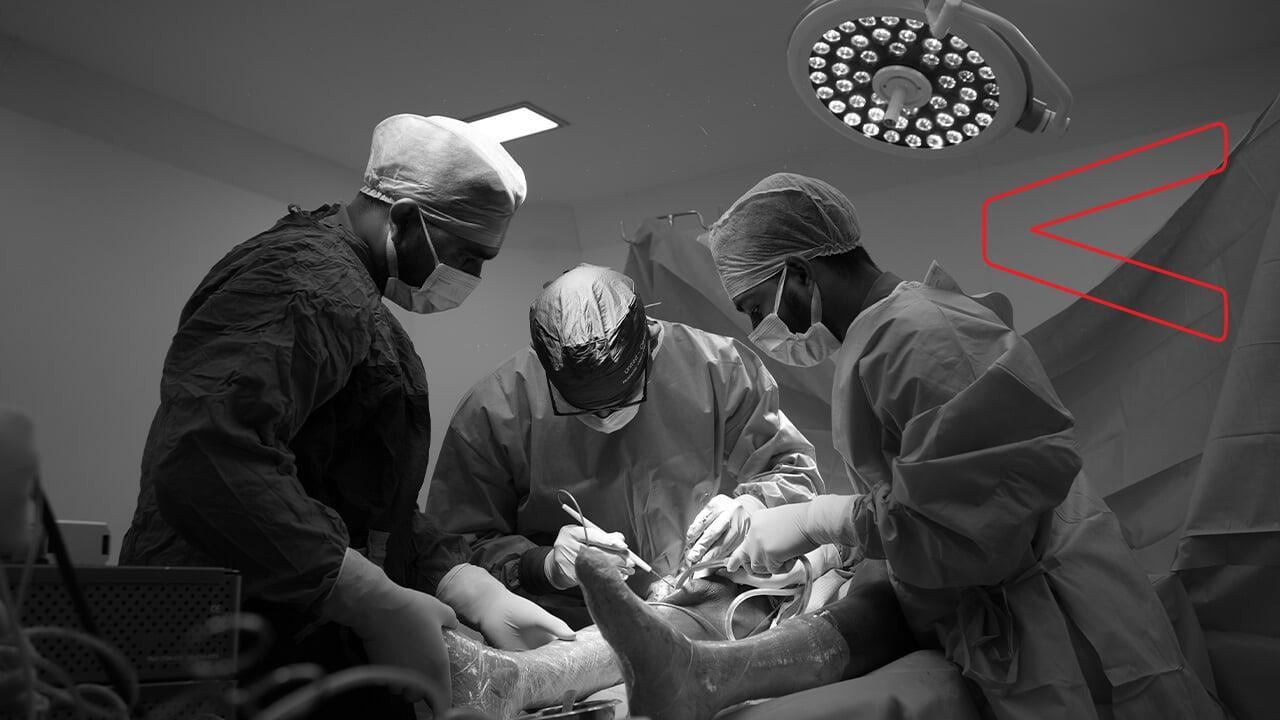
Unilateral knee replacement, also known as knee arthroplasty, is a surgical procedure that aims to relieve severe knee pain caused by arthritis, injury, or aging. In this guide, we'll explore the ins and outs of unilateral knee replacement, including why the surgery is recommended, how it's performed, recovery expectations, and potential risks. We'll also provide detailed information about the costs of surgery in India and how RxSaveZ can help you navigate the process. Let's dive in.
What is Unilateral Knee Replacement?
What is Unilateral Knee Replacement?
Unilateral knee replacement involves replacing the damaged parts of a single knee joint with artificial components. This procedure is designed to restore mobility and reduce pain for patients suffering from severe knee issues. Unlike bilateral knee replacement, which involves both knees, unilateral replacement focuses on one knee at a time, making it ideal for patients who have more significant damage on one side.
Why is Unilateral Knee Replacement Performed?
Why is Unilateral Knee Replacement Performed?
The knee joint is subjected to immense pressure and wear over a lifetime. When the joint's cartilage wears away or is damaged, bones begin to rub against each other, causing pain, stiffness, and limited mobility. If non-surgical treatments like medication, physical therapy, and lifestyle changes do not alleviate the pain, unilateral knee replacement may be the best option to regain quality of life.
Causes of Knee Joint Pain
Causes of Knee Joint Pain
Knee joint pain has various causes, leading to the need for unilateral knee replacement. Here are some common reasons:
Aging
As we age, the cartilage in our joints can wear down, leading to osteoarthritis, a common cause of knee pain. The knee's natural wear and tear can result in significant discomfort and stiffness.
Arthritis
Arthritis, specifically osteoarthritis and rheumatoid arthritis, is another major cause of knee pain. Osteoarthritis involves the gradual breakdown of cartilage, while rheumatoid arthritis is an autoimmune condition where the immune system attacks the joints.
Accidents and Injuries
Trauma to the knee, such as from sports injuries or accidents, can cause immediate and long-term damage. Fractures, torn ligaments, and other injuries can lead to chronic pain and the need for surgical intervention.
Symptoms and When to Consult a Doctor
Symptoms and When to Consult a Doctor
If you're experiencing severe knee pain, it's crucial to consult a doctor. Here are some common symptoms that indicate a need for medical advice:
Persistent Pain: If knee pain doesn't improve with rest or over-the-counter medications.
Difficulty Moving: If you have trouble walking, climbing stairs, or bending your knee.
Swelling and Stiffness: If your knee is consistently swollen or feels stiff.
Reduced Mobility: If you find it hard to perform daily activities due to knee pain.
Consulting a doctor when these symptoms interfere with your quality of life is essential. Delaying treatment can worsen the condition, leading to more severe complications.
The Diagnosis Process
The Diagnosis Process
When diagnosing severe knee joint pain, doctors follow a series of steps to understand the cause and determine if surgery is necessary. Here's an overview of the diagnosis process:
Physical Examination
The doctor will assess your knee's range of motion, strength, and overall function. They'll check for signs of swelling, tenderness, and other abnormalities.
Imaging Tests
X-rays are commonly used to examine the knee joint. They help identify cartilage loss, bone spurs, and other structural issues. In some cases, doctors may use MRI or CT scans to get a more detailed view of the joint and surrounding tissues.
Lab Tests
In cases of suspected rheumatoid arthritis or other autoimmune conditions, doctors may order blood tests to check for specific markers.
Once the diagnosis is complete, the doctor will recommend the appropriate treatment plan, which may include unilateral knee replacement if the damage is severe.
Unilateral Knee Replacement Surgery
Unilateral Knee Replacement Surgery
Unilateral knee replacement surgery involves replacing the damaged parts of the knee joint with artificial components. Here's an overview of the procedure:
Preparation and Anesthesia
Before surgery, you'll meet with the surgical team to discuss the procedure and any pre-operative requirements. On the day of surgery, you'll receive general anesthesia, ensuring you're unconscious and pain-free during the operation.
Surgical Procedure
The surgeon begins by making a 6-10 inch incision around the knee to access the joint. The knee is bent to provide complete exposure of the joint. The surgeon removes the damaged bone and cartilage, then replaces them with metal components. A layer of plastic is placed between the metal components to allow for smooth gliding.
The surgeon tests the joint's range of motion to ensure the new components are correctly aligned. Once the procedure is complete, the incision is sutured, and the patient is moved to the recovery area.
Recovery and Post-Surgery Care
After surgery, patients typically stay in the hospital for 2-3 days. During this time, the medical team monitors vital signs and ensures proper pain management. Physical therapy begins shortly after surgery to help restore mobility and strength.
Post-surgery care involves regular physical therapy sessions, a gradual increase in activity, and following the doctor's dietary and lifestyle recommendations. Patients are encouraged to stay hydrated, eat a balanced diet, and avoid alcohol and smoking.
Risks and Complications
Risks and Complications
Unilateral knee replacement, like any surgical procedure, carries certain risks. Here are some potential complications to be aware of:
Blood Clots: Clots can form in the legs or lungs after surgery. Blood-thinning medications may be prescribed to reduce this risk.
Infection: Infections can occur at the surgical site or within the joint. Proper wound care and antibiotics can help prevent this.
Heart Attack and Stroke: Surgery can stress the cardiovascular system, leading to these severe complications.
Urinary Tract Infection: Catheterization during surgery can increase the risk of UTIs.
Bleeding: Blood loss during surgery is a risk, but surgical teams take precautions to minimize it.
It's crucial to follow all post-operative care instructions and seek immediate medical attention if you experience unusual symptoms, such as excessive pain, swelling, or signs of infection.
Cost of Unilateral Knee Replacement in India
Cost of Unilateral Knee Replacement in India
One of the key advantages of seeking knee replacement surgery in India is its cost-effectiveness. Here's a detailed breakdown of the costs involved in minimally invasive knee replacement surgery:
Minimally Invasive Knee Replacement Surgery: Rs. 177600 to Rs. 236800 for Indian patients. For international patients, the cost ranges from USD 3600 to USD 4400.
Knee Replacement Surgery: Rs. 208680 to Rs. 278240.
Revision Single Knee Replacement: Rs. 310800 to Rs. 414400.
Unicondylar Knee Replacement: Rs. 126000 to Rs. 168000.
Costs in Different Indian Cities
The cost of minimally invasive knee replacement surgery varies across Indian cities. Here's an approximate range for various locations:
New Delhi: Rs. 150072 to Rs. 234728
Gurgaon: Rs. 153920 to Rs. 230880
Noida: Rs. 144300 to Rs. 240500
Chennai: Rs. 153920 to Rs. 221260
Mumbai: Rs. 157768 to Rs. 234728
Bangalore: Rs. 150072 to Rs. 227032
Kolkata: Rs. 144300 to Rs. 217412
Jaipur: Rs. 134680 to Rs. 215488
Mohali: Rs. 138528 to Rs. 327080
Ahmedabad: Rs. 128908 to Rs. 213564
Hyderabad: Rs. 148148 to Rs. 225108
Turkey: USD 4000 to USD 6000
Thailand: USD 11600 to USD 17400
Germany: USD 7040 to USD 10560
Israel: USD 15200 to USD 22800
Singapore: USD 15200 to USD 22800
Malaysia: USD 6400 to USD 9600
Disclaimer:
The costs represent a general estimate that includes emergency care, hospitalization, surgery, and rehabilitation.
Variability in costs depends on the type of hospital, severity of injury, length of hospital stay, and specific treatment requirements.
Public hospitals generally offer lower-cost or subsidized treatment, while private hospitals are often more expensive.
For precise estimates, consulting with healthcare providers or insurance representatives is recommended.
Regional economic differences and cost of living can impact the overall costs in each city.
Factors Affecting the Cost of Surgery
Factors Affecting the Cost of Surgery
The cost of surgery can vary widely based on several critical factors. Understanding these factors can help patients and their families anticipate and manage the financial implications of surgery. Below are the primary considerations that impact surgical costs:
1. Type of Surgery
The type of surgical procedure is a significant determinant of cost. Surgeries range from minor to complex, with more complicated procedures typically costing more due to specialized equipment, expertise, and longer operating times.
2. Severity of the Condition
Surgical costs can be influenced by the severity of the patient's condition. More severe or complicated cases often require additional resources, longer hospital stays, and intensive care, all of which increase costs.
3. Hospital or Medical Facility
Costs can differ significantly between hospitals and medical facilities. Public hospitals generally offer more affordable rates, while private hospitals tend to be more expensive due to additional amenities and services.
4. Surgeon's Expertise and Reputation
Highly skilled and renowned surgeons often command higher fees due to their expertise and experience. Surgeons with specialized training in specific procedures may charge more than general surgeons.
5. Location and Region
Geographic location plays a role in surgical costs. Surgeries in major cities or metropolitan areas tend to be more expensive due to higher overheads, cost of living, and demand for healthcare services. Costs may be lower in smaller towns or rural areas.
6. Anesthesia and Medication
The type of anesthesia used during surgery, as well as post-operative medications, can affect the overall cost. General anesthesia usually costs more than local anesthesia, and complex cases may require more extensive pain management.
7. Hospitalization and Recovery
The length of hospital stay and the level of care required during recovery impact costs. Patients who need intensive care or specialized post-operative monitoring typically incur higher expenses.
8. Additional Services
Additional services such as diagnostic tests, imaging, rehabilitation, and physical therapy can increase costs. These services are often necessary for proper diagnosis, treatment, and recovery.
9. Insurance Coverage
Insurance coverage can significantly affect out-of-pocket costs for surgery. The type of insurance plan, coverage limits, co-pays, and deductibles can determine how much of the cost is covered by insurance.
10. Unforeseen Complications
Complications during or after surgery can lead to unexpected costs. This could include additional surgeries, extended hospital stays, or specialized care to address complications.
Final Thoughts
Given the complexity of factors affecting surgical costs, it's crucial to discuss all potential costs with healthcare providers and insurance representatives beforehand. Understanding these factors helps patients and families make informed decisions and plan for the financial implications of surgery.
RxSaveZ and Unilateral Knee Replacement
RxSaveZ and Unilateral Knee Replacement
RxSaveZ is a unique platform that provides comprehensive support for patients seeking unilateral knee replacement surgery.
As an independent healthcare consulting company, RxSaveZ offers unbiased second opinions and personalized guidance throughout the surgical journey. Here's how RxSaveZ can assist you:
Patient Relationship Managers (PRMs)
RxSaveZ assigns Patient Relationship Managers (PRMs) to help patients navigate the complex world of surgery and healthcare. PRMs are available 24/7 via WhatsApp, providing continuous support and answering any questions you may have.
Concierge Services
RxSaveZ's concierge services handle the logistics, from scheduling appointments to coordinating with hospitals. This allows you to focus on your recovery while the RxSaveZ team takes care of the details.
Cost-Effective Solutions
RxSaveZ specializes in helping patients find affordable surgery options without compromising on quality. By providing multiple second opinions and personalized recommendations, RxSaveZ ensures that you receive the best possible care at a reasonable price.
Surgical Second Opinions
Getting a second opinion before surgery is crucial to ensure the procedure is necessary and to explore alternative treatments. RxSaveZ provides access to multiple surgeons, allowing you to make informed decisions about your healthcare journey.