
Navigating Cystoscopy: Understanding the Procedure, Benefits, and Costs
Navigating Cystoscopy: Understanding the Procedure, Benefits, and Costs
Introduction:
Introduction:
Cystoscopy, a pivotal tool in urology, offers a profound insight into the inner workings of the bladder and urinary tract. In this comprehensive guide, we embark on a journey through the intricacies of cystoscopy, shedding light on its significance, procedural nuances, potential advantages, and associated expenses. Anchoring our exploration is RxSaveZ, an unwavering advocate for patient-centric healthcare, committed to demystifying medical processes and ensuring affordability and accessibility for all
What is Cystoscopy?
What is Cystoscopy?
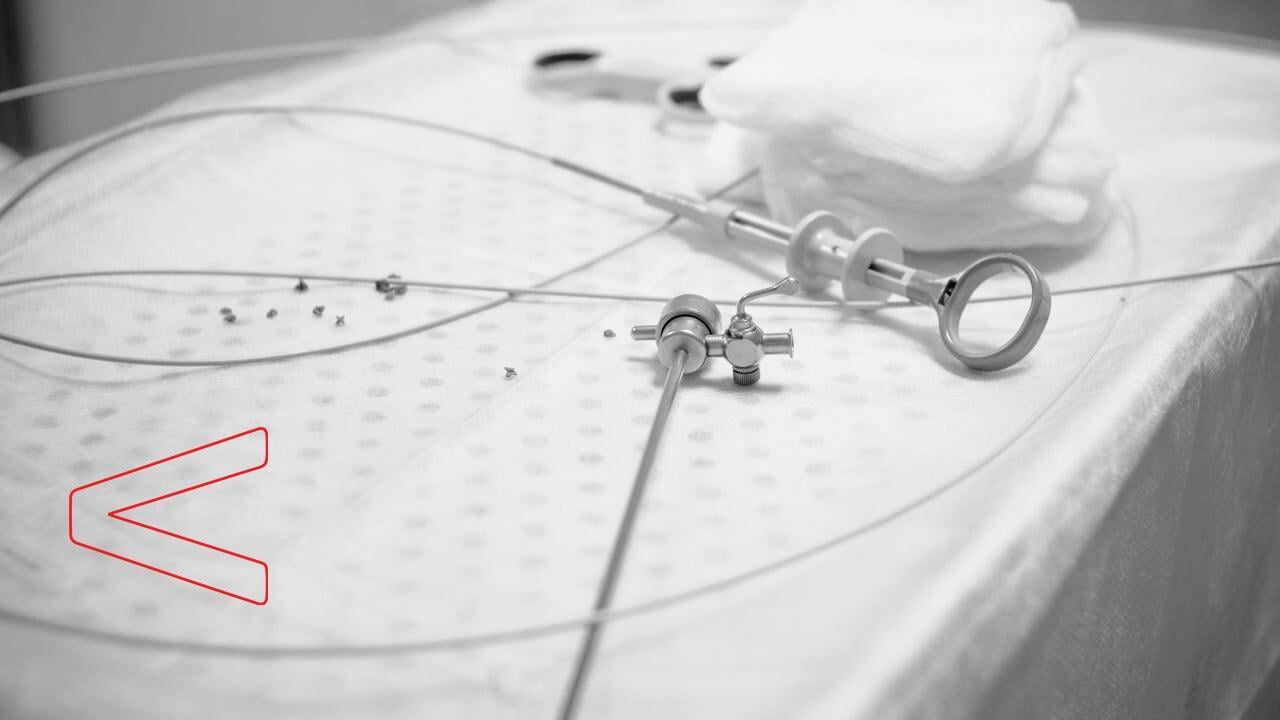
Cystoscopy stands as a cornerstone in the realm of urological diagnostics and therapeutics. At its core, cystoscopy involves the insertion of a cystoscope—a slender, flexible tube equipped with a lens—into the urethra, allowing direct visualization of the bladder and urethral passages. This procedure serves manifold purposes, ranging from elucidating the underlying causes of urinary symptoms to facilitating the treatment of various bladder conditions.
One of the hallmark features of cystoscopy lies in its versatility regarding anesthesia administration. Depending on the patient's needs and the complexity of the procedure, cystoscopy can be performed under local anesthesia, sedation, or general anesthesia. This adaptability ensures that patients receive optimal comfort and safety throughout the process, thereby fostering a positive healthcare experience.
Reasons for Cystoscopy:
Reasons for Cystoscopy:
Investigating Signs and Symptoms:
The onset of urinary symptoms, such as hematuria (blood in the urine), urinary incontinence, and dysuria (painful urination), often prompts the need for cystoscopic evaluation. By providing a direct view of the bladder's internal structures, cystoscopy enables clinicians to identify and address the underlying causes of these symptoms effectively. Additionally, cystoscopy plays a crucial role in diagnosing the etiology of recurrent urinary tract infections, facilitating targeted therapeutic interventions.
Diagnosing Bladder Diseases and Conditions:
Bladder diseases and conditions encompass a spectrum of pathologies, ranging from benign inflammatory conditions to malignant neoplasms. Cystoscopy serves as a frontline diagnostic modality in the evaluation of these conditions, allowing for the visualization of bladder mucosa and the detection of abnormalities such as tumors, stones, and inflammation. Furthermore, cystoscopic examination enables clinicians to obtain tissue samples (biopsies) for histopathological analysis, aiding in the definitive diagnosis and subsequent management of bladder pathology.
Treating Bladder Diseases and Conditions:
Beyond its diagnostic utility, cystoscopy offers therapeutic benefits in the management of various bladder disorders. Through the use of specialized instruments passed through the cystoscope, clinicians can perform a myriad of procedures, including tumor resection, stone fragmentation, and intravesical instillation of therapeutic agents. This amalgamation of diagnostic and therapeutic capabilities underscores the pivotal role of cystoscopy in the comprehensive management of bladder diseases, with RxSaveZ serving as a steadfast ally in guiding patients through each step of the treatment process.
Diagnosing an Enlarged Prostate:
In men, cystoscopy serves as a valuable tool in the assessment of lower urinary tract symptoms secondary to prostatic enlargement. By visualizing the urethral lumen and prostatic urethra, cystoscopy allows clinicians to discern the degree of prostatic obstruction and identify associated pathologies such as urethral strictures. This diagnostic precision facilitates tailored therapeutic interventions aimed at alleviating obstructive symptoms and optimizing urinary function.
Risks and Complications:
Risks and Complications:
While cystoscopy is generally considered safe and well-tolerated, certain risks and complications may arise, necessitating vigilant monitoring and prompt intervention. Common complications associated with cystoscopy include:
Infection:
The introduction of instrumentation into the urinary tract carries a risk of bacterial colonization and subsequent infection. Factors predisposing to post-cystoscopy urinary tract infections include advanced age, immunocompromised status, and the presence of preexisting genitourinary pathology. To mitigate this risk, RxSaveZ advocates for stringent adherence to aseptic techniques and, when indicated, pre-procedural antibiotic prophylaxis.
Bleeding:
Cystoscopy may result in mild hematuria (blood in the urine) due to mucosal trauma or instrumentation-induced injury. While transient hematuria is relatively common and typically self-limiting, severe or persistent bleeding necessitates further evaluation and intervention. RxSaveZ emphasizes the importance of close post-procedural monitoring to promptly identify and address any bleeding complications.
Pain and Discomfort:
Following cystoscopy, patients may experience mild discomfort, burning sensation during urination, or pelvic discomfort. These symptoms are usually transient and resolve spontaneously within a few days. RxSaveZ provides comprehensive post-procedural care instructions, including strategies to alleviate discomfort and promote optimal recovery.
Urinary Retention:
In rare cases, cystoscopy may precipitate acute urinary retention, characterized by the inability to void spontaneously following the procedure. Prompt recognition and management of urinary retention are paramount to prevent complications such as bladder distension and urinary tract infection. RxSaveZ emphasizes the importance of seeking immediate medical attention if urinary retention occurs post-cystoscopy.
Preparation for Cystoscopy:
Preparation for Cystoscopy:
Effective preparation is pivotal to ensure the safety, efficacy, and success of the cystoscopic procedure. Key preparatory measures include:
Pre-procedural Antibiotics:
In certain cases, clinicians may prescribe prophylactic antibiotics to reduce the risk of post-cystoscopy urinary tract infections. RxSaveZ emphasizes the importance of strict adherence to antibiotic regimens and encourages patients to communicate any antibiotic allergies or intolerances to their healthcare providers.
Bladder Preparation:
Adequate bladder preparation is essential to optimize visualization and facilitate the cystoscopic examination. Patients may be instructed to maintain adequate hydration and refrain from emptying their bladder immediately before the procedure. RxSaveZ provides detailed pre-procedural instructions to ensure patients are well-prepared for their cystoscopy.
Anesthesia Considerations:
Depending on the planned anesthesia regimen, patients may receive local anesthesia, conscious sedation, or general anesthesia during cystoscopy. RxSaveZ educates patients about the different anesthesia options available, addressing any concerns or questions they may have regarding sedation and anesthesia administration.
What to Expect During Cystoscopy:
What to Expect During Cystoscopy:
The cystoscopic procedure typically follows a standardized protocol, encompassing several key steps:
Patient Positioning:
Patients are positioned comfortably on a specialized examination table, often with their legs elevated in stirrups to facilitate optimal access to the perineal region.
Anesthesia Administration:
Depending on the planned anesthesia regimen, patients may receive local anesthesia (topical lidocaine gel), conscious sedation (intravenous medications), or general anesthesia (inhaled anesthetic agents). RxSaveZ ensures patients receive appropriate anesthesia tailored to their individual needs and preferences.
Cystoscope Insertion:
Following anesthesia administration, the cystoscope—a slender, flexible tube equipped with a camera and light source—is gently inserted into the urethral meatus and advanced into the bladder under direct visualization. RxSaveZ emphasizes the importance of gentle handling and meticulous technique to minimize patient discomfort and optimize procedural outcomes.
Bladder Examination:
Once the cystoscope is securely positioned within the bladder, the urologist systematically examines the bladder mucosa, ureteral orifices, and bladder neck for any abnormalities or pathologic findings. High-definition imaging modalities and specialized instruments may be utilized to enhance visualization and facilitate diagnostic and therapeutic interventions.
Biopsy or Interventional Procedures:
If indicated, the urologist may perform additional procedures during cystoscopy, such as biopsy collection, tumor resection, or stone manipulation. These interventions aim to obtain tissue samples for histopathologic analysis or address underlying pathology within the bladder.
Bladder Filling and Evaluation:
To assess bladder capacity and compliance, the bladder may be filled with a sterile saline solution via the cystoscope. This maneuver allows the urologist to evaluate bladder dynamics and detect any abnormalities such as bladder diverticula or intravesical masses.
Completion of Procedure:
Following a thorough examination and any necessary interventions, the cystoscope is carefully withdrawn from the bladder, and the procedure is concluded. RxSaveZ ensures patients receive post-procedural instructions and guidance, addressing any questions or concerns they may have regarding their cystoscopy experience.
After the Cystoscopy:
After the Cystoscopy:
The immediate post-cystoscopy period is characterized by close monitoring and supportive care to optimize patient comfort and recovery. Key considerations include:
Post-procedural Monitoring:
Patients are monitored closely in the recovery area for any signs of complications, including bleeding, urinary retention, or allergic reactions to anesthesia or medications. RxSaveZ advocates for vigilant observation and prompt intervention to address any post-cystoscopy concerns promptly.
Symptom Management:
Patients may experience mild urinary symptoms following cystoscopy, including transient hematuria, dysuria (painful urination), or increased urinary frequency. RxSaveZ provides personalized symptom management strategies, including hydration, pain relief measures, and bladder irrigation if indicated.
Discharge Instructions:
Upon discharge, patients receive detailed post-cystoscopy instructions, including guidance on resuming normal activities, monitoring for potential complications, and seeking medical attention if warranted. RxSaveZ ensures patients feel empowered and informed, fostering a sense of confidence and reassurance post-procedure.
Cystoscopy Cost in India:
Cystoscopy Cost in India:
Cost considerations play a significant role in patients' decision-making processes regarding healthcare utilization, including cystoscopic procedures. The cost of cystoscopy in India varies depending on several factors, including hospital type, geographic location, procedural complexity, and additional services rendered. RxSaveZ recognizes the importance of transparent pricing and affordability in promoting equitable access to essential medical services, including cystoscopy.
Here's a breakdown of the estimated cystoscopy costs in various Indian cities:
Delhi:
Average Cost: INR 5,000 - 15,000
Higher costs in private hospitals due to advanced facilities.
Mumbai:
Average Cost: INR 6,000 - 18,000
Typically higher costs due to city infrastructure and living costs.
Bangalore:
Average Cost: INR 5,500 - 16,000
Costs vary depending on the hospital and additional services.
Chennai:
Average Cost: INR 5,000 - 15,000
Private hospitals may offer more advanced options.
Kolkata:
Average Cost: INR 4,500 - 14,000
Generally lower costs in public hospitals.
Hyderabad:
Average Cost: INR 5,500 - 16,000
Costs vary, with private hospitals typically offering more advanced options.
Pune:
Average Cost: INR 4,500 - 14,000
More affordable than major metro cities; private hospitals can be pricier.
Ahmedabad:
Average Cost: INR 4,500 - 14,000
Lower costs due to regional factors; private hospitals can be costlier.
Lucknow:
Average Cost: INR 4,000 - 12,000
Public hospitals are generally more affordable.
Jaipur:
Average Cost: INR 4,000 - 12,000
Costs vary depending on the hospital and facilities.
Disclaimer:
The costs represent a general estimate that includes emergency care, hospitalization, surgery, and rehabilitation.
Variability in costs depends on the type of hospital, severity of injury, length of hospital stay, and specific treatment requirements.
Public hospitals generally offer lower-cost or subsidized treatment, while private hospitals are often more expensive.
For precise estimates, consulting with healthcare providers or insurance representatives is recommended.
Regional economic differences and cost of living can impact the overall costs in each city.
Factors Affecting the Cost of Surgery
Factors Affecting the Cost of Surgery
The cost of surgery can vary widely based on several critical factors. Understanding these factors can help patients and their families anticipate and manage the financial implications of surgery. Below are the primary considerations that impact surgical costs:
1. Type of Surgery
The type of surgical procedure is a significant determinant of cost. Surgeries range from minor to complex, with more complicated procedures typically costing more due to specialized equipment, expertise, and longer operating times.
2. Severity of the Condition
Surgical costs can be influenced by the severity of the patient's condition. More severe or complicated cases often require additional resources, longer hospital stays, and intensive care, all of which increase costs.
3. Hospital or Medical Facility
Costs can differ significantly between hospitals and medical facilities. Public hospitals generally offer more affordable rates, while private hospitals tend to be more expensive due to additional amenities and services.
4. Surgeon's Expertise and Reputation
Highly skilled and renowned surgeons often command higher fees due to their expertise and experience. Surgeons with specialized training in specific procedures may charge more than general surgeons.
5. Location and Region
Geographic location plays a role in surgical costs. Surgeries in major cities or metropolitan areas tend to be more expensive due to higher overheads, cost of living, and demand for healthcare services. Costs may be lower in smaller towns or rural areas.
6. Anesthesia and Medication
The type of anesthesia used during surgery, as well as post-operative medications, can affect the overall cost. General anesthesia usually costs more than local anesthesia, and complex cases may require more extensive pain management.
7. Hospitalization and Recovery
The length of hospital stay and the level of care required during recovery impact costs. Patients who need intensive care or specialized post-operative monitoring typically incur higher expenses.
8. Additional Services
Additional services such as diagnostic tests, imaging, rehabilitation, and physical therapy can increase costs. These services are often necessary for proper diagnosis, treatment, and recovery.
9. Insurance Coverage
Insurance coverage can significantly affect out-of-pocket costs for surgery. The type of insurance plan, coverage limits, co-pays, and deductibles can determine how much of the cost is covered by insurance.
10. Unforeseen Complications
Complications during or after surgery can lead to unexpected costs. This could include additional surgeries, extended hospital stays, or specialized care to address complications.
Final Thoughts
Given the complexity of factors affecting surgical costs, it's crucial to discuss all potential costs with healthcare providers and insurance representatives beforehand. Understanding these factors helps patients and families make informed decisions and plan for the financial implications of surgery.
Conclusion:
Conclusion:
In conclusion, cystoscopy emerges as a cornerstone in the diagnosis and management of various bladder and urinary tract conditions, offering unparalleled diagnostic precision and therapeutic efficacy. With RxSaveZ's unwavering commitment to patient-centric care, individuals can navigate the cystoscopy process with confidence, knowing they have a trusted ally by their side every step of the way. By fostering transparency, affordability, and accessibility in healthcare delivery, RxSaveZ empowers patients to prioritize their urological health and well-being, ensuring optimal outcomes and enhanced quality of life. As we continue to advocate for patient empowerment and healthcare equity, let us forge ahead on the path towards a healthier, more informed future for all.